










In the fast-paced world of digital products, “beta testing” used to be a niche buzzword reserved for tech insiders and early adopters. Today, it’s becoming a familiar phrase for everyday users — and increasingly, a defining stage in the lifecycle of most modern apps. Whether you’re a developer, a product manager, or an avid user curious about why you’re suddenly invited to try out upcoming versions of your favorite apps, this shift deserves a deep, professional, yet engaging exploration.
💡 What Is Beta Testing — Really?
At its core, beta testing is a pre-release trial phase that comes after internal quality checks (often called alpha testing). It involves releasing a near-complete version of a product to a select group of outside users who try it in the real world, report issues, and share feedback — before anything goes live to everyone.
Think of it like a dress rehearsal for software: you invite outsiders to perform on the actual stage, under real audience conditions, before the curtain officially rises.
For developers, this stage reduces risk, catches hard-to-find bugs, and refines user experience. For users, it’s a chance to shape the final product and get a sneak peek at what’s coming next.
Why Beta Testing Is No Longer Just a Developer Luxury
Historically, most apps skipped formal beta phases, relying on internal testers or skipping testing altogether. But that’s changing rapidly.
1. Exponential App Growth Means Greater Risk
There are millions of apps in the global ecosystem, with annual updates pushed constantly.
Launch failures or buggy experiences now directly correlate with abandonment rates: more than half of users will ditch an app after just one critical malfunction.
Beta testing proactively prevents these issues by exposing real users to real usage patterns before full release.
2. User Expectations Are Higher Than Ever
In the early years of smartphones, users tolerated glitches. Now, app quality directly impacts reputation, retention, and revenue. Product managers routinely leverage beta feedback to meet elevated user expectations. For example, popular products like Slack and Zoom used platforms such as Apple’s TestFlight and Google Play’s beta tracks to refine features before launching widely.
Beta testing has gone from being a “nice-to-have” to a brand differentiator.
3. Beta Tests Are No Longer Small or Closed Off
Platforms like Apple’s TestFlight enable developers to distribute prerelease versions to thousands of testers — not just a handful of internal engineers.
Likewise, Google Play’s beta programs support both internal testing and large-scale public testing tracks — scaling to massive tester communities long before general availability.
This means beta phases aren’t just for developers anymore — they’re part of mainstream product rollouts.
The Benefits for Developers and Users Alike
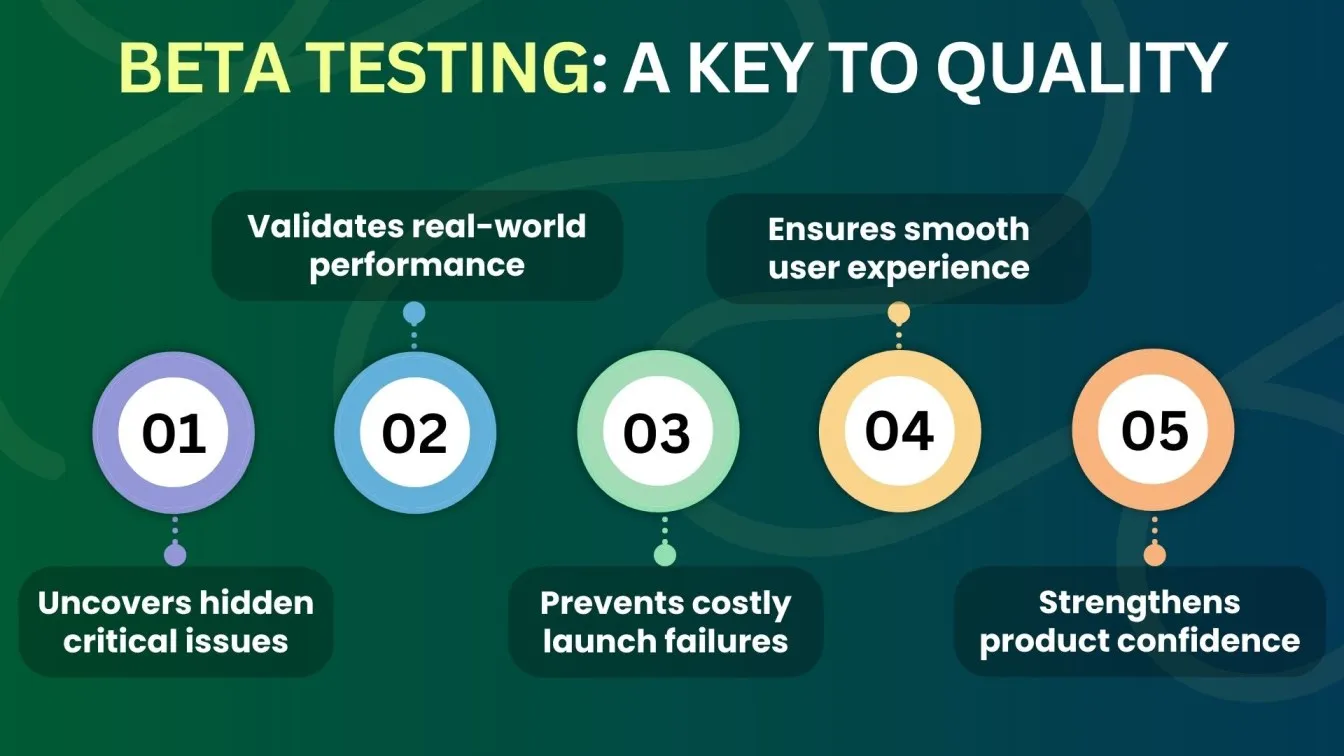
Beta testing brings a suite of strategic advantages that make it more than just a QA checkpoint — it’s a product optimization engine:
✔ Real-World Feedback
No lab environment can fully replicate how users interact with software in everyday contexts. Beta testers uncover device-specific bugs, performance bottlenecks, and usability quirks that internal teams often miss.
✔ UX Improvements Before Launch
Collecting real user feedback during beta allows product teams to refine user interfaces and workflows before releasing them to millions. This focus on experience is now central to app success.
✔ Reduced Post-Launch Costs
Although beta testing adds an extra phase before launch, it reduces costs in the long run by minimizing expensive hotfixes after release.
Instead of reacting to churn and negative reviews, teams can proactively deliver more polished software.
Why Everyday Users Suddenly See Beta Invitations Everywhere
If you’ve recently been asked to join a beta program for an app you use daily — whether it’s your messaging tool, fitness tracker, or social platform — you’re not imagining it. This phenomenon reflects several converging trends:
Targeted Beta Communities
Developers now recruit testers based on demographic profiles and usage patterns, not just proximity to the developer team. This strategic recruitment helps ensure testers match the app’s target user base.
Community Feedback Loops
Platforms like Discord and Reddit have become hubs where testers share discoveries, report bugs, and offer nuanced insights — sometimes even co-creating feature improvements.
Beta testing isn’t just a feedback mechanism — it’s a community-driven part of the product ecosystem.

But Is Beta Testing Always a Win for Users?
Not necessarily.
⚠ Instability Is Part of the Package
Beta releases are inherently imperfect. They may crash, lose data, or behave unpredictably — which can frustrate casual users.
⚠ Increased Updates and Data Usage
Because betas are iterative, they may update frequently — sometimes even daily — and can consume more mobile data.
What This Trend Means for the Future of App Development
Ultimately, beta testing’s rise reflects a broader shift: success in tech now demands continuous improvement, community involvement, and iterative evolution.
No longer is development a linear pipeline from idea → release. Instead, it’s:
- Ideation
- Alpha tests
- Beta engagement
- Iteration
- Full launch
- Ongoing improvement
Beta testing is now a core feedback loop — and not just a technical formality.
Conclusion: Yes — Beta Is Becoming Normal
Beta testing has evolved from a niche, optional phase into a standard practice deeply woven into how apps are built, refined, and released.
What’s changed?
- Escalating user expectations demand reliability.
- Larger, more diverse tester communities make insights richer.
- Tools like TestFlight and Google Play’s beta channels democratize testing.
- Feedback is now a strategic asset in product development.
Whether you’re a developer or a power user, beta testing is no longer an eccentric side-show — it’s a central, expected part of the digital experience.
And as apps continue to get more complex, interconnected, and personalized, beta testing will only become more normalized — not less.