








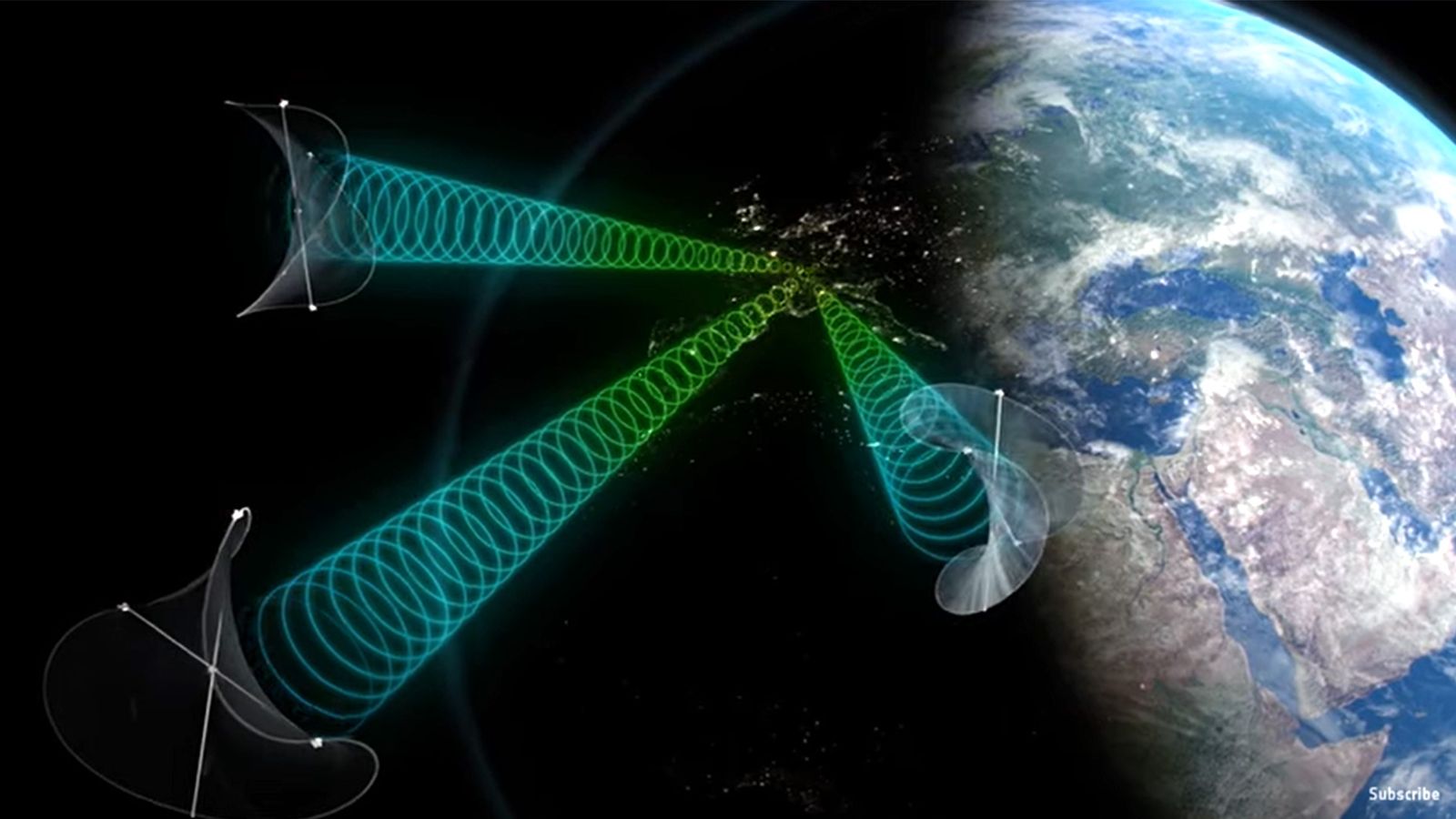

In the grand theatre of human ingenuity, few ideas dazzle the imagination quite like space‑based solar power (SBSP). Imagine massive arrays of solar panels orbiting Earth, bathing in perpetual sunshine, harvesting energy without interruption, and beaming it back to the surface to fuel cities, industries, and perhaps even space colonies. It sounds like science fiction — but that’s precisely why this concept has captured the collective eye of futurists, engineers, and energy strategists alike.
In this expansive article, we’ll explore what space‑based solar power really is, how it works, why it could help solve the global energy crisis, and what barriers still stand between dream and reality. Expect professional insight presented in a clear, engaging style that’s both digestible and illuminating.
1. What Is Space‑Based Solar Power?
At its core, space‑based solar power involves collecting sunlight in space — where it’s unfiltered by the atmosphere and available almost indefinitely — and transmitting that energy wirelessly to Earth. Traditional solar farms on the ground suffer from clouds, nightfall, and weather disruptions. Out in space, a solar array can soak up the Sun’s rays 24 hours a day, 365 days a year, uninterrupted by the Earth’s rotation or weather systems.
The basic components of an SBSP system tend to include:
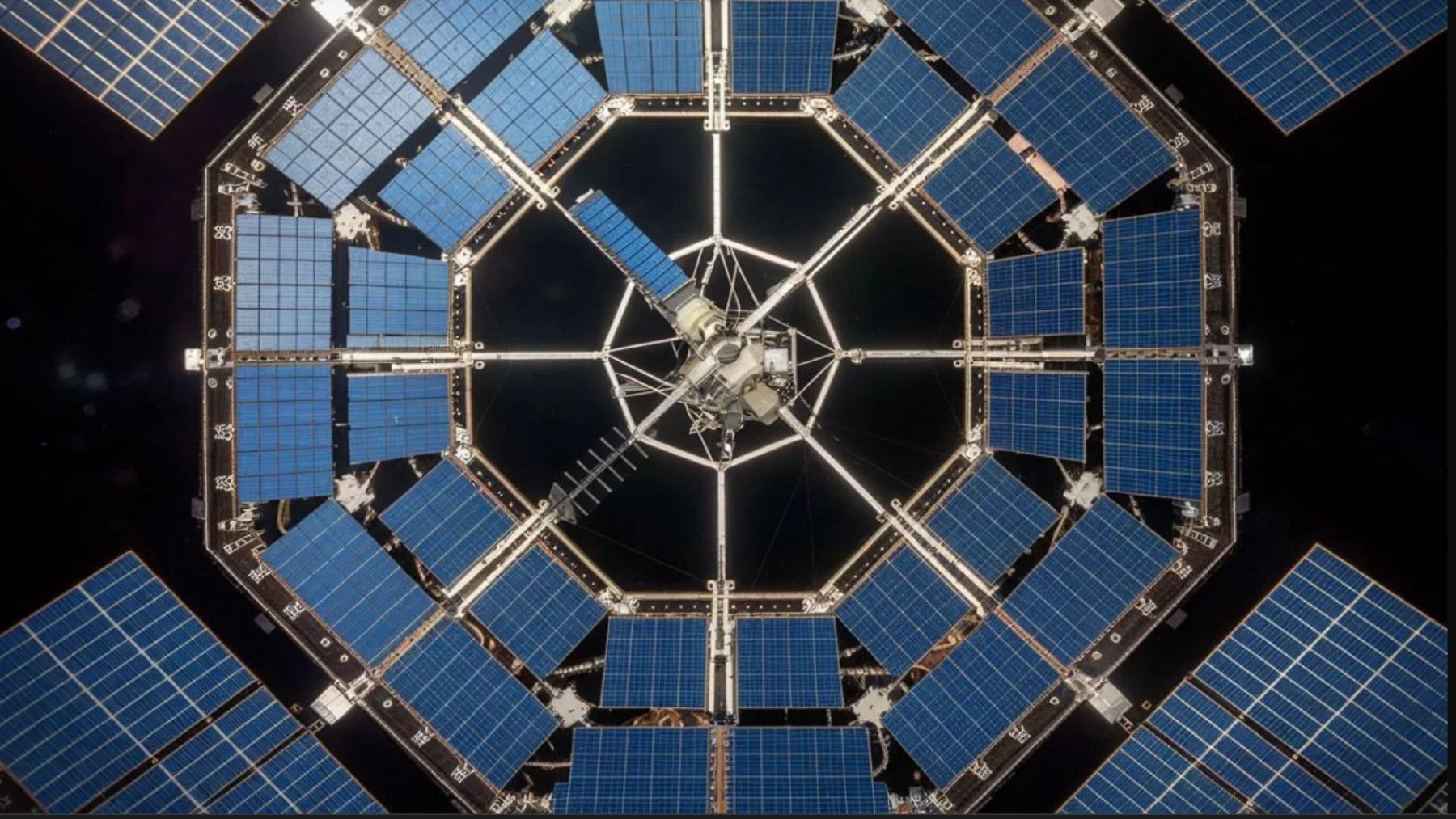
- Orbital Solar Collectors: Huge arrays of photovoltaic panels or mirrors oriented to always face the Sun.
- Wireless Power Transmission: Using either microwave or laser beams to send energy down to Earth.
- Ground Receiving Stations (“Rectennas”): Large antenna fields that capture and convert the beamed energy into usable electricity.
This concept was first seriously proposed in the late 1960s. Since then, advances in photovoltaics, space hardware, and wireless power technology have brought SBSP into serious discussion for energy strategy — though not without controversy.
2. Why SBSP Captures the Imagination
Constant, Reliable Power
One of the most alluring features of SBSP is consistency. Terrestrial solar and wind are intermittent — they depend on weather and time of day. Wind changes, clouds drift, night comes. Not so in space.
In orbit, solar panels can avoid these constraints entirely, producing power at roughly five times the output of Earth‑bound panels, according to industry figures. Continuous generation means less need for massive storage systems and more dependable grid support — even during peak demand or extended outages.
Unlimited By Geography
Space solar power doesn’t need deserts or coastal plains. If SBSP becomes viable, it can deliver energy to any part of the globe connected to a receiving station, potentially democratizing access to clean power and reducing geopolitical energy tensions rooted in fossil fuels.
Supporting Deep Climate Goals
Recent modeling suggests that SBSP could dramatically shift the energy mix in some regions. For example, a study shows that space solar infrastructure could provide the equivalent of up to 80% of Europe’s renewable energy requirements by 2050, dramatically assisting decarbonization efforts.

3. How Space Solar Power Works — In Real Terms
Understanding SBSP’s mechanics requires breaking down a few key technologies:
Orbital Platforms
SBSP platforms are envisioned to orbit in geostationary or high Earth orbit — far above the atmosphere and clouds. There, they can capture solar energy at peak intensity, uninterrupted by night or weather.
These platforms could be based on modular units built in space or launched fully assembled in large pieces. Both approaches rely on advancements in space construction — including on‑orbit assembly and robotics, and even in‑space manufacturing using 3D printers to fabricate structural elements.
Wireless Power Beaming
Perhaps the most science‑fiction part of the equation is transmitting energy back to Earth. Current designs typically involve converting collected solar power into either microwaves or laser light and beaming it toward dedicated ground stations.
Once received, these beams are converted back into electricity using high‑efficiency rectifying antennas (rectennas). These fields can stretch across kilometres of land — a footprint that’s often criticized but necessary given current technology.
Ground Infrastructure
To effectively use energy from space, countries would need robust receiving infrastructure — often large rectenna fields. These structures are not typical solar farms; they’re more akin to massive antenna farms combined with high‑capacity grid interconnection. This means SBSP isn’t just a space challenge — it’s also an earthbound infrastructure one.
4. Where the Technology Stands Today
Despite its promise, SBSP remains in an emerging stage of development.
Research and Prototypes
Institutions like the European Space Agency (ESA) are evaluating systems such as the SOLARIS initiative, aiming for demonstrations of space solar power in the 2030s, with potential operational systems around mid‑century.
NASA, too, is assessing feasibility and identifying technology gaps that must be closed to make SBSP economically competitive with terrestrial alternatives.
Private companies are actively exploring related technologies. For example, start‑ups like Aetherflux in the U.S. are looking at laser transmission systems that could send power to Earth from constellations of orbiting satellites.
Technological Milestones
Some of the most important technical hurdles are being tackled now:
- Efficient, lightweight photovoltaics
- On‑orbit construction and assembly
- Autonomous servicing and modular replacement
- Safe and efficient wireless power beaming
- Launch cost reduction (vital to economic viability)
5. Economic Challenges: Can It Compete?
The biggest obstacle to SBSP isn’t physics — it’s economics.
Launching tons of material into orbit remains costly, even with reusable rockets. Studies suggest that early SBSP systems may be more expensive than terrestrial renewables — especially when including launch, assembly, and maintenance costs.
A rudimentary estimate from Chinese research attributes a colossal total system cost to a full space solar station, although life‑cycle cost analyses are highly dependent on assumptions like launch cost reductions and system lifetime.
Critics argue that until launch becomes orders of magnitude cheaper — or space manufacturing becomes routine — the economics won’t make sense at scale. This is one of the central debates in energy and space technology circles.
6. Environmental and Safety Considerations
SBSP is often presented as “clean energy,” but it’s not completely free of environmental impacts:
- Launch Pollution: Frequent heavy launches could contribute greenhouse emissions unless low‑carbon launch fuels become standard.
- Beam Safety: High‑power microwave or laser beams must be controlled to avoid harm to aircraft, wildlife, or infrastructure.
- Space Debris: Large orbital structures add to congestion in near‑Earth space, increasing collision risks.
Thus, while SBSP reduces fossil fuel dependence, it introduces new environmental and regulatory dimensions that must be managed carefully.
7. Could SBSP End the Energy Crisis?
Possibly — but not imminently. SBSP’s strengths are real: continuous, high‑density power capture, reduced dependence on fossil fuels, and global scalability. If the technology matures and costs fall sharply, SBSP could help stabilize energy supplies worldwide and reduce carbon emissions.
However, a few points temper that excitement:
- Economic competitive pressure from rapidly improving terrestrial renewables and storage.
- Infrastructure demands both in space and on Earth.
- Long timelines — meaningful SBSP contributions aren’t likely until the mid‑21st century.
- Policy and safety constraints around beamed energy and orbital operations.
So rather than ending the energy crisis by itself, SBSP could become a guaranteed augment to a diversified clean energy portfolio: a complement to terrestrial renewables, improved storage systems, and next‑generation grids. It’s one piece of a much larger puzzle.
8. What’s Next: A Roadmap for Space Solar
To unlock the potential of SBSP at scale, the world needs coordinated efforts across multiple fronts:
- Technology R&D: Continual advances in lightweight materials, robotics, power transmission, and autonomous systems.
- Launch Cost Reductions: Breakthroughs in propulsion and reusable systems will be major cost drivers.
- Demonstrations: Small‑scale orbital pilots proving feasibility and safety.
- Policy Frameworks: Global treaties and regulations for wireless power beaming and orbital infrastructure management.
- Economic Incentives: Public and private investment to bridge early financial gaps and reduce risk.
The journey toward SBSP is a marathon, not a sprint — but one that could help define humanity’s energy future.