










Artificial Intelligence (AI) is dramatically reshaping how we understand and interact with the world. One of the most provocative questions in technology and ethics today is whether AI can predict human behavior ethically. Can machines, built on algorithms and data, forecast how humans act — and do so without infringing on moral values, autonomy, and dignity? This exploration isn’t just technological; it blends philosophy, psychology, ethics, data science, and public policy. In this long-form article, we unpack the promise, the practice, the pitfalls, and the principles guiding ethical human‑behavior prediction by AI.
The Rise of Behavior‑Predictive AI: Science Meets Society
AI models are increasingly designed to do more than perform tasks — they’re being trained to anticipate how people will behave in real world situations. New research has shown that advanced AI systems can now simulate and predict human behavior across contexts more accurately than earlier models. For example, a cutting‑edge system reported in 2025 trained on millions of real psychological decisions can simulate behavior patterns and choices with remarkable consistency, even in novel situations.
Why does this matter? Beyond academic curiosity, effectively predicting human behavior can influence fields from personalized medicine and public health to education, economics, legal systems, and safety engineering. When an AI system predicts whether someone might act in a certain way, it is essentially mapping human intentions, preferences, contexts, and choices — often before they actually occur.
Yet this capability raises a crucial question: Just because we can predict behavior, should we?
What Do We Mean by “Ethical” in Predictive AI?
Ethics in predictive AI spans multiple dimensions:
- Autonomy: Humans should remain free to choose their actions without undue algorithmic steering or coercion. Predictive systems must support, not replace, autonomous decisions.
- Transparency: Users should understand how predictions are made, including data sources, model limitations, and potential errors.
- Fairness and Bias: Predictions must avoid reinforcing social bias, discrimination, or unequal treatment. Responsible systems actively identify and mitigate unfair patterns.
- Privacy and Consent: Human behavior predictions often rely on personal data. Respecting privacy and securing informed consent are fundamental.
- Responsibility: Human actors — not machines — must retain ethical and legal accountability for decisions impacted by AI.
Ethical behavior prediction isn’t just a technical problem; it’s a human values problem.
How AI Predicts Human Behavior: Models and Mechanisms
At its core, behavior prediction in AI involves identifying patterns in data and then learning probabilistic associations between cues and outcomes. Machine learning models — especially deep neural networks and probabilistic frameworks — can detect incredibly subtle correlations across vast datasets.

Some state‑of‑the‑art frameworks treat AI support as a nudge — not as a replacement for human decision making. These models try to quantify how algorithmic advice influences human choices and how cognitive styles interact with AI inputs.
But even the best computational model is only as good as its interpretability and context awareness. Lacking real “understanding,” many current systems make predictions from correlations in data, which can misrepresent causal human behavior.
Ethical Risks of Predicting Human Actions
Predictive AI might sound like a silver bullet — but ethical risks abound:
1. Cognitive Bias Replication
AI models often learn from human‑generated data. If that data reflects cognitive biases, the AI may reproduce or even amplify them. Studies have shown that large language models can exhibit overconfidence and human‑like biases in judgement, undermining the very objectivity we expect from machines.
2. Automation and Moral Outsourcing
When people rely too heavily on AI predictions, they may relinquish moral judgment to algorithms — a phenomenon sometimes called moral outsourcing. This shifts ethical responsibility away from humans toward opaque systems.
3. Altered Sense of Agency
Research indicates that when people rely on AI for ethically significant decisions, their sense of moral responsibility and agency can diminish. Individuals may make choices they attribute to the machine’s influence rather than their own judgment.
4. Privacy and Surveillance Dangers
Behavior prediction often depends on rich personal data — from patterns of movement to communications, preferences, and biometrics. Such deep insight can lead to intrusive profiling or surveillance if not ethically governed.
Balancing Predictive Power and Human Values
If AI is going to forecast human actions, it must enhance human decision‑making, not control it. Several ethical frameworks have been proposed across academia and policy circles:
- Human‑in‑the‑Loop and Human‑on‑the‑Loop Designs: These ensure humans remain central in decision cycles.
- Transparent Model Explanations: Making AI decisions interpretable helps users question and understand predictions.
- Context‑Sensitive Ethical Regulation: Systems designed for medical, legal, or safety contexts must embed domain‑specific ethical principles.
- Value Alignment and Normative Design: Future AI should be aligned with shared human values like fairness, dignity, and autonomy.
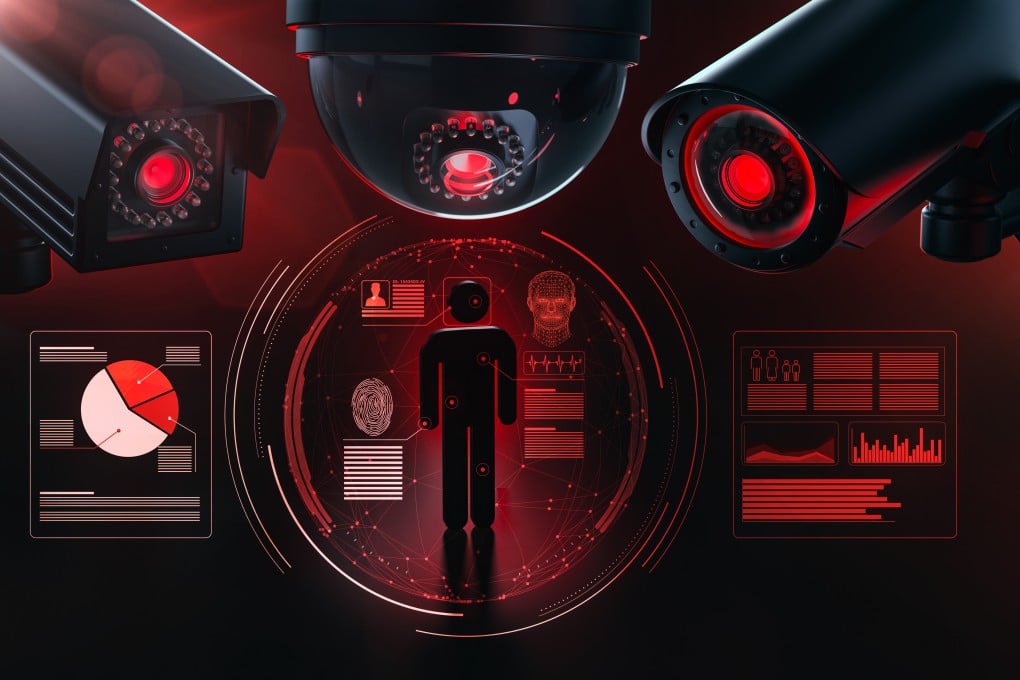
Something as abstract as moral judgment cannot — and should not — be fully outsourced to machines. Ethical behavior prediction is less about perfect forecasting and more about responsible support for human choices.
What Responsible Prediction Looks Like
Let’s imagine AI predicting health behavior trends to improve public health outcomes. An ethical system in this context would:
- Use consented and de‑identified data
-Share clear limitations of predictive accuracy
‑ Present recommendations to support human choice - Avoid stigmatizing or discriminatory suggestions
- Allow individuals to opt out of any predictive services
Responsible applications like this complement human insight rather than supplant it.
Future Frontiers: From Prediction to Partnership
Looking ahead, AI’s role will likely evolve from prediction toward human‑AI collaboration. Rather than forecast actions, future systems could:
- Help humans understand why they might act in certain ways
- Provide ethical prompts that encourage introspection
- Facilitate richer human self‑awareness and choice
This transforms AI from a cold predictor into a partner in ethical reflection — advancing decision quality without undermining autonomy.
Ethical Frameworks in Practice
Several research frameworks and proposals aim to ensure ethical behavior prediction, including hybrid ethical architectures that preserve human moral agency in complex decision settings and normative design principles that embed deontological and consequentialist reasoning.
At the heart of all ethical AI research is the idea that machines should assist rather than displace the human capacity for moral judgment.
Conclusion: A Human‑Centered Future
Predicting human behavior with AI offers transformative possibilities — from better health and education outcomes to smarter governance and personalized services. But prediction without ethical grounding can erode autonomy, inflate bias, and cloud responsibility. Contemporary research emphasizes that ethical AI must support human choices, remain transparent and aligned with human values, and empower users rather than constrain them.
AI can predict what might happen, but it should never dictate what should happen. As we build the next generation of predictive systems, human dignity, moral responsibility, and ethical reflection must remain at the core of every algorithmic insight.