









Introduction: The Beta Paradox
Public beta testing lives in a fascinating tension: on one hand, it’s a developer’s golden ticket to real-world feedback before launch; on the other, it can feel like a pressure cooker for users who volunteer their time and patience to test unfinished products. The question at the heart of modern product development is simple: Are we genuinely testing features, or are we inadvertently stressing users? This might sound rhetorical, but how we answer it reveals a lot about product culture in 2026 — and it affects UX, brand reputation, and long-term success.
In this article we dig into the psychology, methodology, business logic, and user experience implications of public beta programs. We’ll explore the mechanics of beta testing, the expectations of participants, and how companies can harness the power of real user data without turning the process into a grind for testers.
Beta Testing: What It Is and What It Is Not
At its core, beta testing is a stage in the product lifecycle where a near-final version of a product is released to external users for validation before general availability. It bridges the gap between closed internal testing (alpha) and full launch.
Beta testers are often external volunteers or early adopters who are not bound by company walls or QA processes. They apply the product in real environments, uncover bugs, report usability issues, and sometimes even offer creative ideas that reshape the final design.
But here’s the wrinkle: while developers see it as user-centric refinement, many participants feel it’s more akin to free labor with the risk of frustration and burden — especially when expectations are unclear or feedback becomes repetitive and overwhelming.
The Purpose: Why Companies Run Public Betas
So why do organizations invest in public betas? There are several strategic reasons:
1. Real-World Validation
Beta testing exposes products to real usage patterns that internal simulations can’t replicate. Developers often think that a feature works in theory — but real users reveal unexpected behavior patterns and edge cases that dramatically shift design priorities.
2. Feedback for Prioritization
Beta feedback helps teams decide what matters most. Do users struggle with a navigation flow? Are some features never used? Beta data turns abstract assumptions into measurable insights.
3. Stress and Load Testing
A public beta is often where a system’s robustness is truly tested. Under increasing user loads, servers, APIs, and backend infrastructure show their strengths and limitations. This is not just testing features — it’s testing stability.
4. Market and UX Signals
Developers want to understand how users perceive value. Beta programs can reveal so much about user sentiment and UX friction. This is enormously valuable for refinement before launch.
These intentions are noble — but they don’t always match the messy reality of human participation.

The User Perspective: Hero or Guinea Pig?
From a product manager’s perspective, public beta testers are co-creators in the development process. From a user perspective — if expectations aren’t properly managed — they can feel like unrecognized labor.
Common user frustrations include:
1. Frequent Updates and Instability
Public betas often update daily or weekly. While this helps fix bugs quickly, it can burden testers and consume time or data — especially if the product isn’t stable.
2. Lack of Support Channels
Companies may not provide full support to beta participants. Without clear help avenues, users are left to fumble through issues themselves — which can feel stressful and disappointing.
3. Undefined Expectations
If a beta program doesn’t communicate what testers should focus on or how long it will last, participants can feel confused or fatigued.
4. Feedback Burnout
Reporting repetitive bugs without seeing any progress can lead to disengagement — even abandonment of the product altogether.
In other words, if users feel like they’re being asked to do unpaid QA work without clear value — that’s not testing, that’s stress.
Misleading Feedback: A Hidden Danger
Beta feedback is valuable — but it has its pitfalls. If users enter a beta expecting a fully-featured experience, they may give feedback based on unmet expectations rather than genuine product issues. This can skew development priorities rather than clarify them.
Beta testers often expect products to feel “finished enough,” even when they aren’t supposed to be. When early builds lack key features or polish, users can be disappointed or frustrated — and that affects the quality of feedback they provide.
The underlying psychological bias here is critical: participants focus on what they don’t have, rather than evaluating what works well. This dynamic makes it harder to distinguish useful feedback from emotional reactions.
Managing Expectations: The Strategic Imperative
The key to ethical and useful beta testing isn’t avoiding stress — it’s managing expectations intentionally.
Here’s how top teams do it:
1. Clear Objectives
Start by defining why you are running the beta. Are you stress-testing infrastructure? Validating a new feature set? Understanding UX friction points? Clear goals shape clearer feedback.
2. Transparent Communication
Beta participants should know what to expect — the scope of the test, the kinds of issues being targeted, and how their input will be used. Transparency reduces frustration and builds trust.
3. Structured Feedback Channels
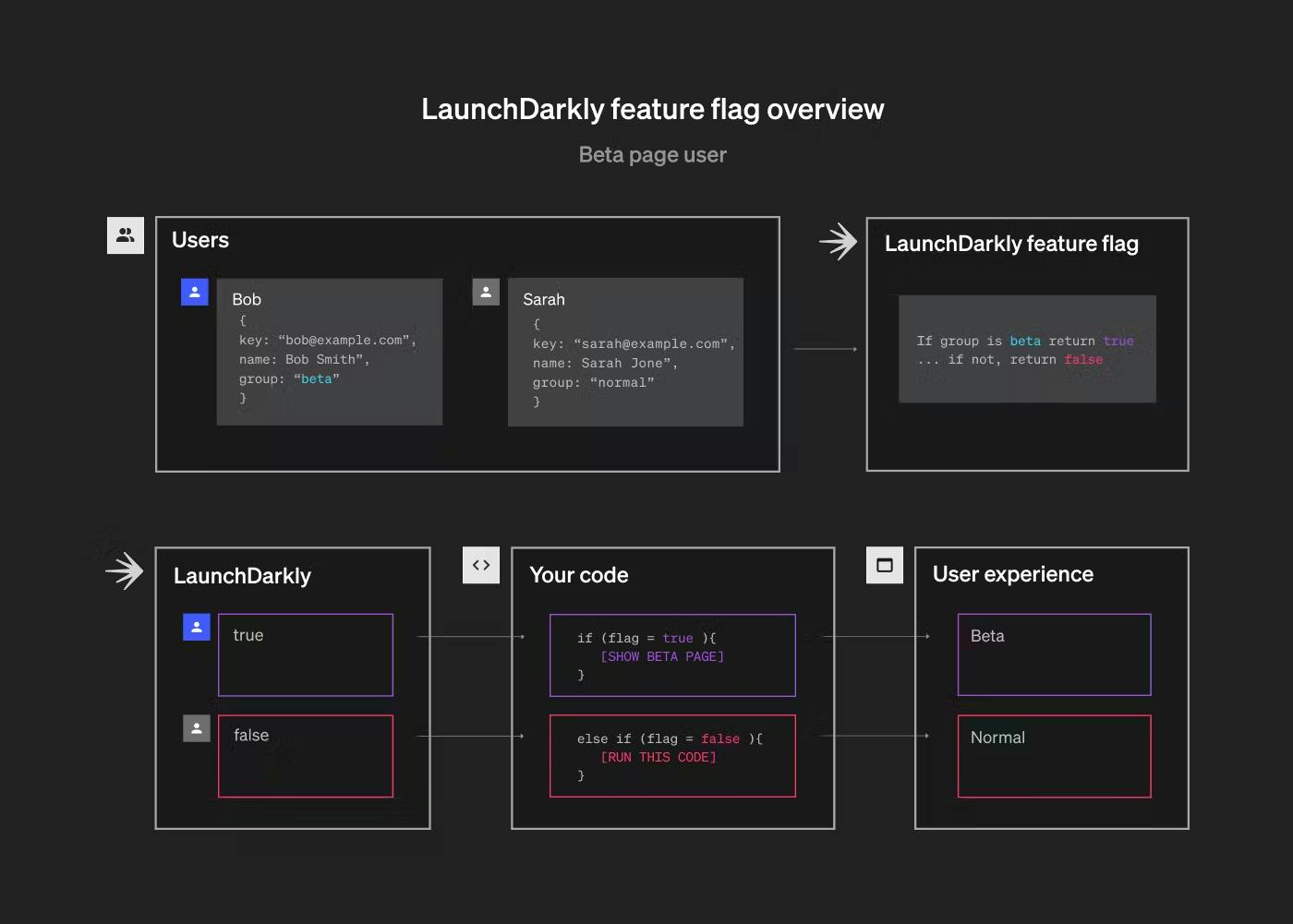
Instead of free-form complaints, provide structured ways to collect insights — surveys, guided testing tasks, and prioritization prompts help companies get useful data with less noise.
4. Feedback Acknowledgement
Responding to participant input — even just acknowledging it — shows respect for their contribution and increases engagement quality.
5. Support Availability
Even if full customer support isn’t offered, providing a space for help (forums, knowledge bases, guides) shows care and reduces tester stress.
Public Beta as a UX Experience
User experience (UX) during a beta is just as important as UX after launch. A clunky onboarding flow, confusing task labels, or unstable performance during beta can translate into permanent reputation damage.
Great UX is not just about screenshots and elegant UI — it’s about how users feel when interacting with the product. Beta programs that treat participants as partners rather than test subjects improve not just quality, but long-term affinity.
When Beta Testing Becomes Stress Testing
If a public beta imposes high cognitive load, constant patch cycles, unfiltered bug reports, or unclear goals, it has crossed into what we might call stress testing the user — not just the feature.
This isn’t inherently unethical — some stress is part of learning resilience — but it becomes a problem when:
- Users feel abandoned or unsupported
- Feedback loops are inconsistent
- Tests are open-ended with no closure
- Negative experiences spill into public perception
In these cases, beta programs can harm brand perception and user trust — even before launch.
Best Practices: Testing Without Stressing Users
To design beta programs that benefit both the team and users:
- Define Success Metrics Upfront
Know what you’re measuring — performance, usability, retention reminders, or crash rates. - Recruit Representative Testers
Diversify backgrounds and skills to ensure feedback isn’t skewed by extreme cases. - Use Staged Rollouts
Gradually increase exposure to new features while monitoring system health. This gives insight without overwhelming either users or systems. - Prioritize Reporting Efficiency
Use templates and guided reporting workflows so users can share feedback quickly without frustration. - Listen Responsively
Treat feedback loops as two-way conversations, not data dumps. - Close the Loop
Let testers know what changes resulted from their input — this turns testers into advocates.
By balancing structure and flexibility, companies can harvest genuine insights without turning participants into unpaid stress test subjects.
Conclusion: Partnership Over Exploitation
Public beta testing remains one of the most vital phases of modern product development. Done well, it is a collaborative exploration between creators and users, a chance to refine features under real conditions, and a source of deep UX insights.
But if mismanaged, it can feel like an endless grind for testers — chaotic patches, confusing experiences, and unclear expectations. The difference comes down to intentional design, transparency, and respect for human participants.
At its best, public beta testing is not about finding flaws — it’s about building empathy, trust, and value together.