









For decades, engineers, futurists, and science fiction writers have dreamed of a space elevator — a towering structure stretching from Earth’s surface into space, capable of lifting cargo and people without rockets. Today, this idea sits at the intersection of cutting‑edge science and speculative engineering: grounded in real physics but still facing monumental hurdles. In this detailed and engaging exploration, we’ll unpack how a space elevator works, what makes it so hard to build, and whether it might ever become a practical reality.
What Is a Space Elevator?
At its core, a space elevator is a tethered structure that connects the surface of a planet to a counterweight in orbit. By balancing Earth’s gravity against the centrifugal force from rotation, the tether stays taut, and climbers — mechanical vehicles — can ascend it to reach orbit. The most common design envisions a ribbon‑like cable anchored at the equator and extending past geostationary orbit (around 35,786 km above Earth), with its far end weighted to maintain tension. Once built, climbers powered by solar or ground‑based energy would ferry payloads upward along the tether.
This elegant idea promises dramatic reductions in the cost of reaching space, eliminating most rocket fuel and complexity. In principle, a space elevator could make orbital access as routine as taking an airplane.
The Physics Behind the Dream
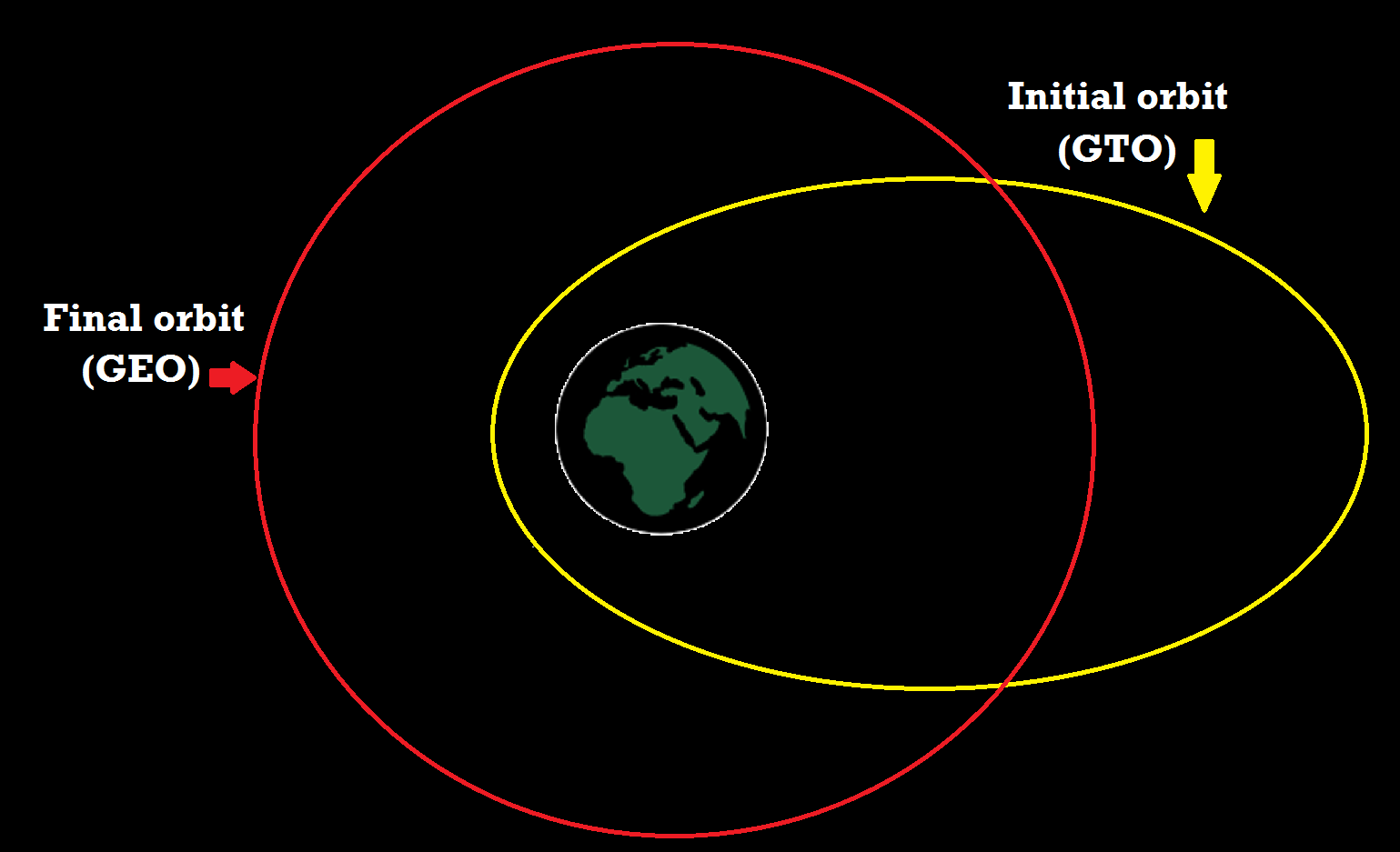
A space elevator works because of orbital mechanics. In geostationary orbit, a satellite rotates with Earth and stays over the same point on the equator. If the elevator’s tether extends sufficiently beyond geostationary altitude, the outward centrifugal force on the extended mass keeps the tether taut, holding the whole structure in place even as gravity pulls downward. This balance is the principal mechanism that allows a space elevator to remain stable without collapsing or swinging wildly.
However, the forces involved are enormous. The tether must withstand constant tension equivalent to supporting its own weight against gravity and centrifugal forces stretching over tens of thousands of kilometers. This means the tether’s strength‑to‑weight ratio must be far beyond conventional materials like steel or Kevlar.
The Challenge of Materials: The ‘Magic’ Cable
The heart of the space elevator problem lies in the cable. To support itself across the vast lengths needed, the tether material must have an unprecedented combination of lightweight and tensile strength. Early rocket scientist Yuri Artsutanov and later researchers pointed out that no known material until recently could approach the necessary performance. Even stainless steel would need to be unwieldy thick to avoid snapping under its own weight.
Carbon Nanotubes and Graphene
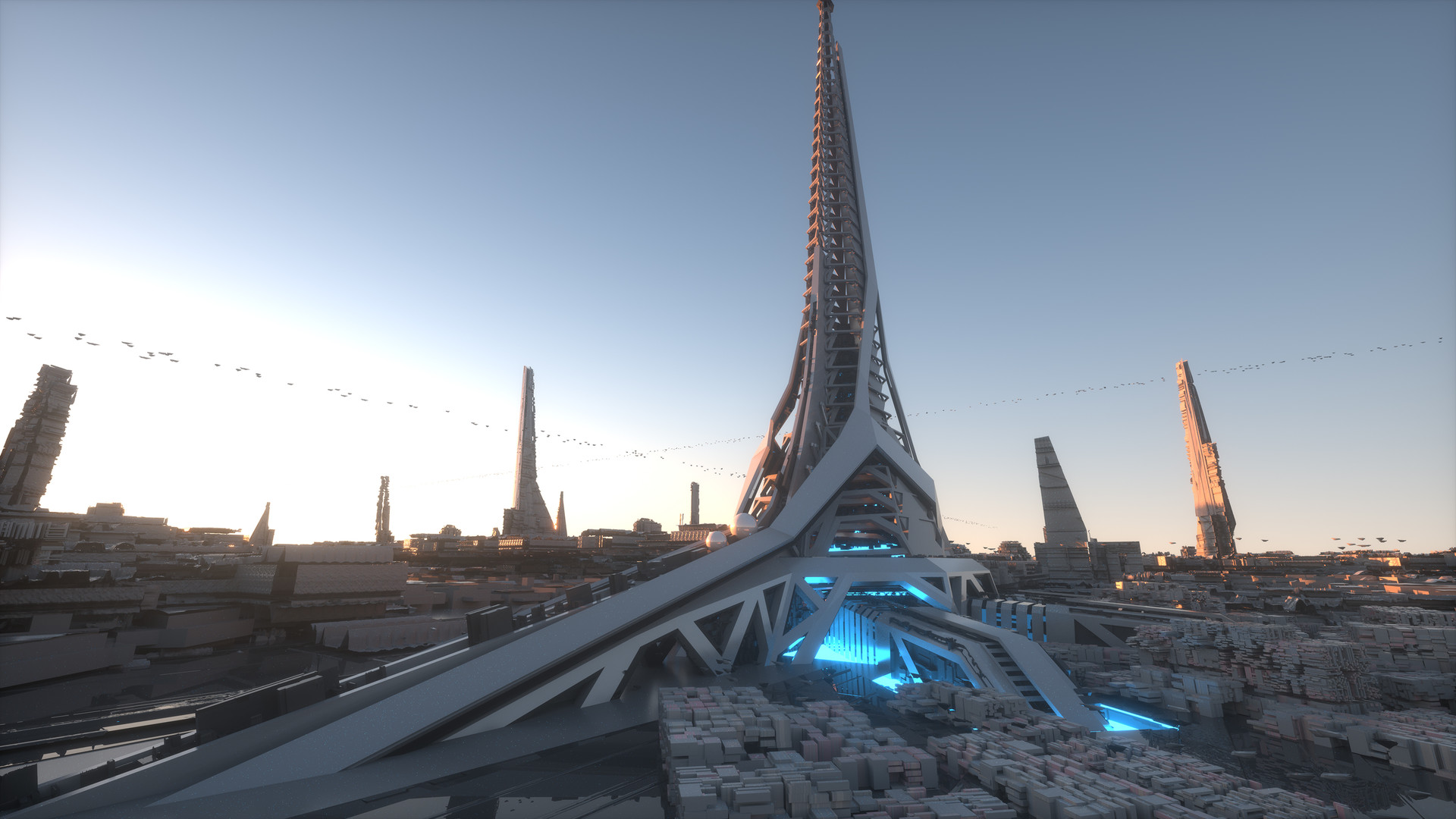
In the 1990s, the discovery of carbon nanotubes (CNTs) sparked excitement because of their theoretical strength — tens to hundreds of times greater than steel for a fraction of the weight. Graphene, a single layer of carbon atoms arranged in a hexagonal lattice, shares similarly incredible properties. In theory, if we could manufacture perfect, defect‑free CNTs or graphene ribbons at megascale lengths, a space elevator cable could finally be feasible.
But here’s the rub: real‑world manufacturing falls far short. The longest CNTs created in the lab are only about half a meter long, and turning them into continuous cables without losing strength remains an unsolved engineering challenge. Defects, material imperfections, and the inability to produce them at large volumes mean that the material we have today simply isn’t good enough.
Researchers have tried composites and other approaches, but combining nanotubes into a strong, scalable tether often reduces their tensile properties. Composites so far reach only tens of gigapascals in tensile strength — far below the theoretical potential and still marginal for a functioning space elevator.
Engineering and Environmental Challenges
Even if we somehow solved the material problem, the next set of challenges is no less daunting:
1. Structural Dynamics
A 100,000 km‑long cable tethered to Earth would behave like a giant harmonic oscillator, susceptible to vibrations from many sources. Earthquakes, tidal effects, atmospheric winds, and even thermal expansion would induce stresses that must be managed through careful design and active control systems.
2. Weather and Natural Hazards
Lightning, hurricanes, and extreme winds pose serious risks. A direct strike on the tether could be catastrophic. Designers propose placing the base station in open ocean near the equator to mitigate some weather risk, but this brings other complications like maintenance and marine corrosion.
3. Space Hazards
Micrometeoroids and orbital debris traveling at high speed could strike and damage the tether. With increasing congestion in low Earth orbit, the likelihood of impacts and cumulative wear becomes significant.
4. Safety and Failure Modes
If the tether breaks, the upper portion could drift into space while the lower segment might whip down toward Earth, potentially causing devastation in its path. Designing fail‑safe mechanisms and contingency plans is essential but extraordinarily complex.
5. Powering the Climber
Climbers must be powered efficiently and reliably for the ascent. Proposed systems include laser beaming, magnetic levitation, and solar power arrays, but each adds complexity and cost.
Economics, Politics, and Global Cooperation
Building a space elevator would be one of the largest engineering projects in human history — with speculative costs in the tens to hundreds of billions of dollars. For perspective, global space industry revenues are measured in hundreds of billions annually, and investment in a single megaproject at this scale would require international collaboration and funding models far beyond today’s norms.
Political cooperation would be needed to agree on location, ownership, access rights, and safety regulation. A structure spanning so many national and orbital interests would become a focal point for both cooperation and conflict.
Japanese Ambitions and the 2050 Dream
Despite the hurdles, some organizations are pushing forward. Obayashi Corporation in Japan has publicly stated its intention to pursue a space elevator project aiming for a 2050 operational target. The company envisions a carbon nanotube tether and climbers powered by solar energy — but acknowledges that much research, development, and funding is required before this vision can proceed beyond conceptual stages.
While optimistic, experts suggest this timeline is highly ambitious. Even with breakthroughs, manufacturing and testing safety for such a structure will likely take decades beyond 2050.
Could It Happen Sooner on the Moon or Mars?
Interestingly, the space elevator concept might be easier to realize on the Moon or Mars. Because both bodies have much lower gravity and different environments, the tether materials required don’t need such extreme strength. Lunar elevators using existing high‑strength fibers like M5 have been proposed, potentially making lunar space elevators feasible much sooner than Earth‑based ones.
This approach could serve as a stepping stone in mastering long‑tether technology, even if Earth’s version remains out of reach for much longer.
The Future: Feasible or Fantasy?
So, could a space elevator be built? The short answer is: possibly, but not yet. The laws of physics don’t forbid it, but current technology does. Materials science is the most critical bottleneck: without a material that combines exceptional tensile strength, scalability, and durability, the concept remains theoretical.
Engineering design, environmental risk, safety, and economics add layers of complexity that extend timelines even further. While decades of research have moved understanding forward, the leap from laboratory materials to real‑world megastructure is vast.
That said, space elevators could play a transformational role in humanity’s future in space. If the tether material challenge is cracked and global cooperation can be forged, we might one day see elevators to orbit lowering the cost of space access by orders of magnitude. That would truly turn space travel into space commuting.