










In the hyper‑connected world of apps, early access and beta testing have become one of the hottest tactics in a product team’s arsenal. From invite‑only social platforms to closed test builds pushed through TestFlight or the Play Store, the beta phase is no longer just a technical milestone—it’s a marketing moment. But the question worth asking in 2026 is this: are these major app betas generating genuine user value, or are they simply stoking Fear Of Missing Out (FOMO) with limited substance behind the hype?
This deep dive explores the psychology behind beta culture, what companies say they want from it, what users actually get, and whether the balance is tipping toward superficial buzz rather than meaningful product improvement.
Beta Testing: From Engineering Tool to Hype Machine
Historically, beta testing was conceived as a product quality safeguard—a way for developers to get real‑world feedback before general release. Beta testers help detect bugs, reveal usability issues, and validate performance on diverse hardware and environments. Tools like Apple’s TestFlight and Firebase App Distribution are staples for developers trying to head off app store rejections and launch flops.
But in the past decade, beta tests have been marketed less like quality control and more like exclusive clubs.
Invite‑only beta campaigns—most famously Gmail’s limited invite system in the early 2000s—became part of the brand’s identity. People literally traded invites as social currency.
Once considered part of the product lifecycle, betas now often precede the product’s exposure to the mass market by months. This gives product teams time to shape feedback, yes—but it also builds anticipation, scarcity, and social chatter.
The Psychology of FOMO and Early Access
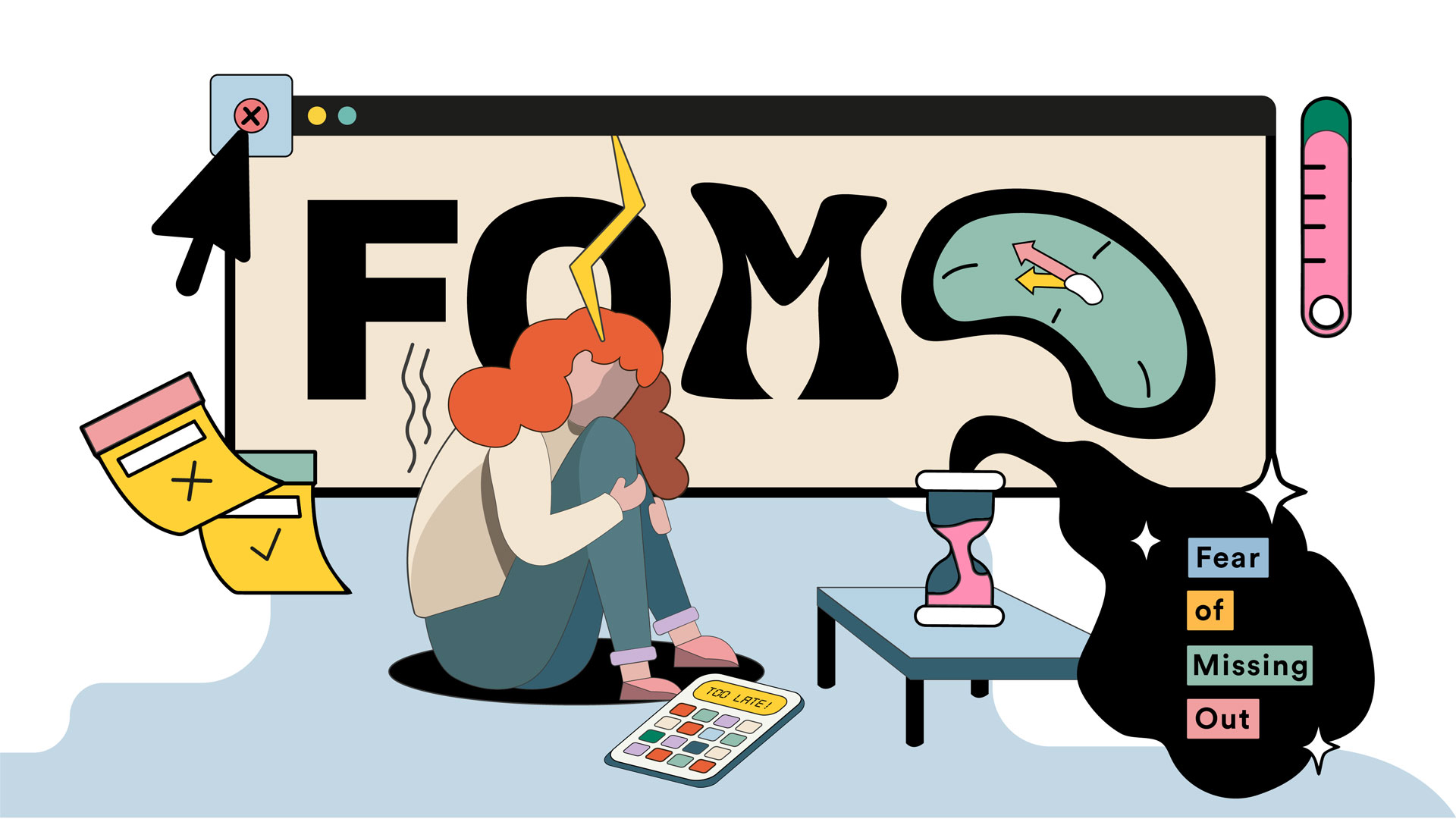
FOMO—the Fear Of Missing Out—is a powerful emotional trigger in digital environments. It’s not just about wanting a product; it’s about not wanting others to have something you don’t. FOMO taps into core human instincts tied to belonging and status.
Studies have noted that a substantial portion of app engagement patterns can be explained by social anxiety and fear of being left out. This dynamic originally emerged in social media use, where missing friends’ activities could trigger anxiety — and the same principles apply to exclusive beta offers.
From a product perspective:
- Limited access signals scarcity.
- Invite lists mean you feel handpicked.
- Early access signals insider knowledge.
All of these cues work together to heighten interest. A beta test might be advertised not just as a technical evaluation, but as a membership into something cool. This creates engagement—but is that engagement grounded in real value?
Good Value Beta Programs: When They Work

When done right, beta programs do provide value—for both users and developers. Consider these outcomes from strategic beta initiatives:
1. Community‑Driven Feedback
Beta communities can function as product co‑creators. Users can submit feedback that directly impacts design decisions, turning testers into advocates–and even loyal early adopters.
2. Real‑World Bug Catching
Technical quality improves when apps are stress‑tested across environments that no internal QA team could fully replicate. This is especially valuable on mobile where device heterogeneity is massive.
3. Organically Built Advocacy
Engaged testers can become authentic ambassadors, creating buzz after launch that feels grounded in real use rather than paid promotions.
These are the outcomes traditionalists celebrate—better products, better launch performance, and stronger alignment with real user needs.
But Many Betas Lean Hard Into FOMO
Here’s where the story gets murky.
Increasingly, major app betas feel more like marketing channels than quality gates. Closed beta access is often used to build hype, grow a waitlist, and cultivate scarcity—sometimes for months–rather than to systematically remediate product issues.
Some of the common ways betas lean into FOMO instead of substance include:
Exclusive invite systems without clear feedback loops
Users may join just to say they’re testers, not to actually contribute meaningful insights. A great beta should have clear mechanisms for structured user feedback, but many don’t.
Scarcity messaging with limited utility
“Only 1,000 spots available!” may drive sign‑ups, but if the beta doesn’t address core experience gaps, the hype fizzles when public launch happens.
Marketing over measurement
Some product teams measure success not by feedback quality but by waitlist size or social buzz, diluting the original purpose of beta. This is particularly common when companies try to impress investors or signal traction before funding rounds.
Does Hype Translate Into Better UX?
This question cuts to the heart of the matter.
According to research, more features don’t necessarily equate to more user adoption. Deploying novelty for the sake of novelty can dilute the core value proposition of an app and even confuse users.
Furthermore, psychological evidence suggests that artificially induced FOMO can create engagement patterns that are more about emotional reaction than genuine product satisfaction. This is especially potent when exclusive access becomes a status symbol rather than a feedback mechanism.
So while FOMO can drive initial engagement, it doesn’t guarantee long‑term retention if there isn’t real value behind the experience.
A Double‑Edged Sword: Value vs. Hype
There are two critical forces at play:
1. The Practical Needs of Product Development
Beta testing remains crucial for quality assurance, performance validation, and early UX refinement. Without it, many apps would launch with glaring issues and suffer from poor ratings.
2. The Emotional/Marketing Pull of FOMO
Scarcity and exclusivity can boost engagement, but only when paired with meaningful UX outcomes. If hype is the only thing driving participation, the beta phase becomes a placebo—users think they’re getting something special, but in reality there’s little substance under the hood.
When hype overshadowing value becomes the norm, the risk is this:
- Users join beta programs for the status, not the utility.
- Developers chase buzz metrics rather than user insights.
- App launches may see inflated early adoption that collapses quickly because users didn’t stick for the product itself.
This dynamic is increasingly visible in startups chasing rapid growth and investor attention—some beta invitations feel like signals more than real product tests.
Best Practices for Beta Programs That Balance Value and Buzz
To counter the FOMO‑for‑its‑own‑sake trend while preserving the benefits of early access, product teams can adopt several good practices:
Set Clear Beta Objectives
Define what you want from testers—quality metrics, UX insights, performance baselines—not just download numbers.
Build Structured Feedback Channels
Use surveys, feedback forms, and in‑app reporting to ensure insights are actually collected and acted upon.
Communicate Purpose, Not Just Scarcity
Tell testers exactly why their input matters. People are more motivated to contribute when they understand their impact.
Balance Exclusivity and Accessibility
Invite‑only doesn’t have to be a permanent gatekeeping mechanism. Consider phased releases that broaden access as feedback is incorporated.
Measure Success Holistically
Go beyond hype metrics. Retention, task completion rates, and post‑launch user satisfaction tell a deeper story about value.
Looking Ahead: The Future of Beta Culture
The beta phase will continue evolving in the years ahead. As app ecosystems become more competitive and user expectations more demanding, the balance between hype and value will matter more than ever.
Consumer fatigue around artificial scarcity and empty “exclusive access” loops could prompt a rethink. Users may start to favor transparent beta programs grounded in real improvement, rather than hype factories designed to generate thumb‑stopping headlines.
In the end, the most successful betas may be those that treat users as co‑creators, not just early adopters.