










Space exploration is no longer an exclusive frontier of nation-states. Over the past decade, private space firms have transitioned from marginal players to dominant innovators in the industry. Driven by visionary founders, massive private capital investments, and an appetite for risk that few government-funded agencies can match, companies like SpaceX, Blue Origin, Rocket Lab, and others have effectively redefined the trajectory of humanity’s journey into the cosmos. At the same time, national agencies such as NASA, ESA, Roscosmos, CNSA, and ISRO continue to command vast resources and irreplaceable expertise. This article explores whether private space firms can truly surpass national agencies — not just in launch frequency or satellite deployment, but in scientific leadership, human exploration, and strategic geopolitical significance.
The Changing Paradigm of Space: From Government to Market
In the 20th century, space exploration was the ultimate symbol of national power and prestige. The Space Race between the United States and the Soviet Union was as much about ideological influence as it was about science and technology. Governments built formidable infrastructure — from launch pads to deep space research facilities — backed by billions in taxpayer funding. National space agencies were the central, often sole, pillars of aerospace advancement.
However, the 21st century ushered in a new narrative: commercial competition and market-driven innovation. Several technological and economic trends catalyzed this shift:
- Reusable rocket technology
- Miniaturization of payloads
- Decreasing launch costs
- Private venture and institutional capital surges
- Public–private collaboration policies
By pioneering reusable boosters and aggressive cost reduction, companies like SpaceX ignited a private space boom that national space agencies had been unable to achieve on their own. Governments realized that partnerships with the private sector could magnify impact while offloading significant cost and schedule risk. Today, it is common for agencies like NASA to allocate billions in contracts to private firms for missions ranging from satellite launches to lunar landers.
Private Space Firms: Innovation, Speed, and Scale
Private space companies have introduced operational agility that traditional agencies often struggle to match. National agencies frequently operate within bureaucratic frameworks requiring extensive reviews, lengthy budget cycles, and compliance with multiple layers of governance. In contrast, private firms can iterate rapidly, take calculated risks, and leverage Silicon Valley–style product development cycles.
Reusable Rockets
Perhaps the most dramatic technical revolution came from reusable launch vehicles. SpaceX’s Falcon 9 and Falcon Heavy rockets have repeatedly landed and reflown their first stages, drastically reducing launch costs and turnaround time. This achievement not only improves economic viability but fundamentally redefines access to space. No major space agency had operational reusable launch vehicles at this scale when SpaceX pioneered them.
Volume and Cadence of Launches
Private companies are not just innovative; they are prolific. SpaceX alone has conducted hundreds of launches for commercial, government, and international customers. They now win major national defense launch contracts, demonstrating confidence from even the most demanding clients — such as the U.S. Space Force awarding SpaceX, United Launch Alliance, and Blue Origin a combined $13.5 billion worth of launch contracts through 2029.
Startup Disruptors Around the World

Innovation isn’t limited to the United States. Startups like China’s LandSpace have rapidly progressed, launching methane-fueled rockets like Zhuque-2 and planning the larger Zhuque-3, aiming for reusable booster recovery — a step closer to rivaling SpaceX’s operational level. Similarly, Japan’s ispace Inc. focuses on lunar landers and commercialization of lunar resources.
These companies exemplify how private entities can quickly evolve from small startups to globally competitive aerospace players.
National Space Agencies: Enduring Strength and Strategic Mandates
While private space firms excel in innovation and velocity, national space agencies retain core strengths that remain critical to robust space exploration:
Scientific Missions
Government agencies conduct deep-space science missions — from pursuing planetary science and astrophysics to deploying space telescopes like the Hubble and James Webb. These missions often have long development cycles, require decades of planning, and are funded by taxpayers with scientific progress as the core objective rather than profitability.
Human Spaceflight
National agencies have historically led human spaceflight. Only government-backed agencies have successfully launched humans to space and sustained long-duration missions aboard space stations. Even though private firms like SpaceX now ferry astronauts under contract to NASA, the overarching mission and safety standards are governed by national agencies.
Geopolitical Leverage
Space exploration remains a pillar of geopolitical influence. Countries use space achievements to signal technological prowess and national prestige. Collaborative programs like the International Space Station (ISS) and future lunar bases involve broad diplomatic cooperation. The role of national agencies in forging these alliances is unmatched by private firms whose primary accountability is to shareholders.
Regulatory and Safety Oversight
Governments are responsible for regulatory frameworks that ensure safety, security, and sustainable use of space. National agencies often serve as supervisors or partners in licensing, environmental assessment, and space debris mitigation, ensuring industry growth doesn’t compromise public safety.
In many respects, private space firms complement rather than fully replace national agencies — but the relationship is evolving.
Public–Private Partnerships: A Hybrid Model of Exploration
Rather than viewing the dynamic as zero-sum (private vs government), a more accurate framework is collaboration. Governments and private companies are increasingly co-dependent:
Shared Missions & Contracts
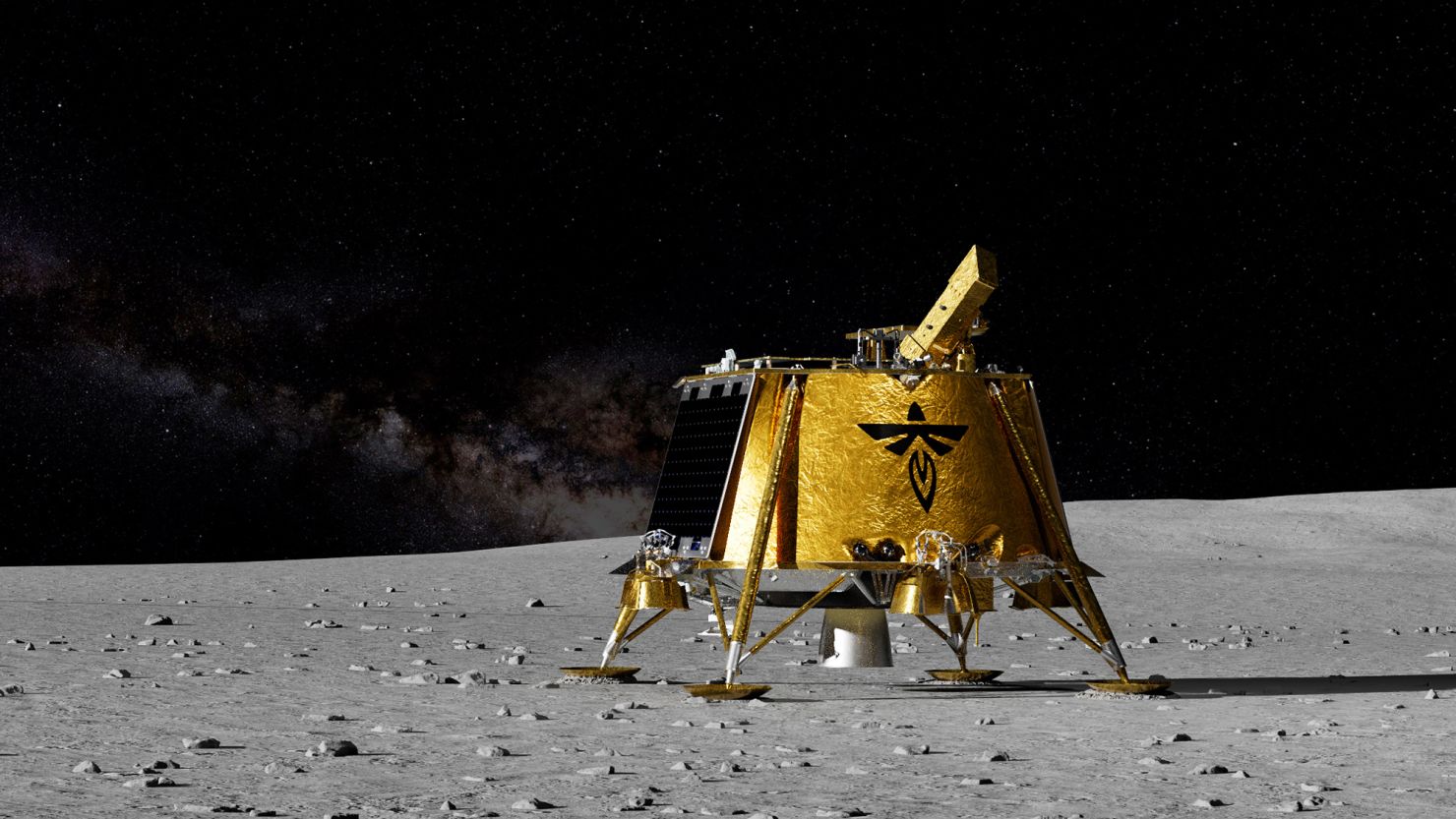
NASA’s Commercial Orbital Transportation Services (COTS) and the Commercial Lunar Payload Services (CLPS) are paradigms of how public agencies outsource innovation to private firms while retaining scientific and strategic direction.
Cost Efficiency and Risk Sharing
By leveraging competitive commercial bids, national agencies can stretch budgets and accelerate mission timelines. This creates a virtuous cycle where innovation drives institutional efficiency, and agency demand catalyzes private investment.
Barriers and Challenges for Private Firms to Fully Surpass Agencies
Despite remarkable progress, several structural and technical barriers remain:
Capital Intensity
Deep-space exploration and human missions require sustained funding over decades. While private firms attract venture capital and public markets, they are still constrained by quarterly performance pressures and capital allocation decisions that national agencies do not face to the same extent.
Regulatory Hurdles
Even the most innovative companies must comply with complex regulatory regimes — environmental reviews, safety standards, exported control like ITAR/EAR, and international treaties.
Scientific Depth and Mission Timescale
Scientific exploration missions such as planetary landers, orbiters, and telescopes involve multi-decade planning and international collaboration. Private firms tend to focus on shorter-term or commercially viable objectives.
Strategic Sovereignty
National agencies represent sovereign interests. Strategic missions related to national defense, secure communications, and deep-space presence often remain under government auspices. While private firms win contracts in these areas, the ultimate authority and strategic decision-making reside with national entities.
Global Perspectives: How Countries Are Responding
The rise of private space firms is not confined to the U.S. Governments worldwide are recalibrating policy to harness this innovation:
Europe
The European Space Agency and the European Union have introduced frameworks that facilitate commercial participation while strengthening sovereign capabilities in scientific missions and space surveillance.
Asia
Countries like India have opened space sectors to private capital through policy changes and dedicated oversight bodies (e.g., IN-SPACe). Indian private startups have already launched domestic rockets and contributed to national missions.
China
While China’s space sector remains heavily state-led, the government has allowed private firms like LandSpace and Galactic Energy to flourish under supportive policies. These companies are now significant contributors to launch capacity and technological breadth.
These developments affirm that the future of space exploration will be pluralistic and global.
The Future: Coexistence, Competition, and Convergence
Will private firms surpass national agencies? The most realistic answer is yes — in specific domains, and no — in others. The landscape is not binary. Instead, it reflects a convergence that benefits humanity’s broader goals in space.
Key trends to watch:
- Commercial space stations and tourism
- Space resource utilization (e.g., lunar mining)
- Large satellite constellations
- Government contracts under competitive bidding
- Deep emphasis on sustainability and space traffic management
- Artificial intelligence and autonomous robotics in space operations
Private firms are reshaping the industry’s trajectory. But national space agencies will remain central to scientific leadership, regulatory oversight, and strategic direction. Collectively, this dynamic creates a richer, faster, and more accessible space ecosystem.
In essence, the future of space exploration is not one of replacement — it is synergistic expansion. Private firms provide speed, scale, and cost innovation; national agencies bring stability, authority, and strategic depth. Together, they are pioneering humanity’s next giant leap.