







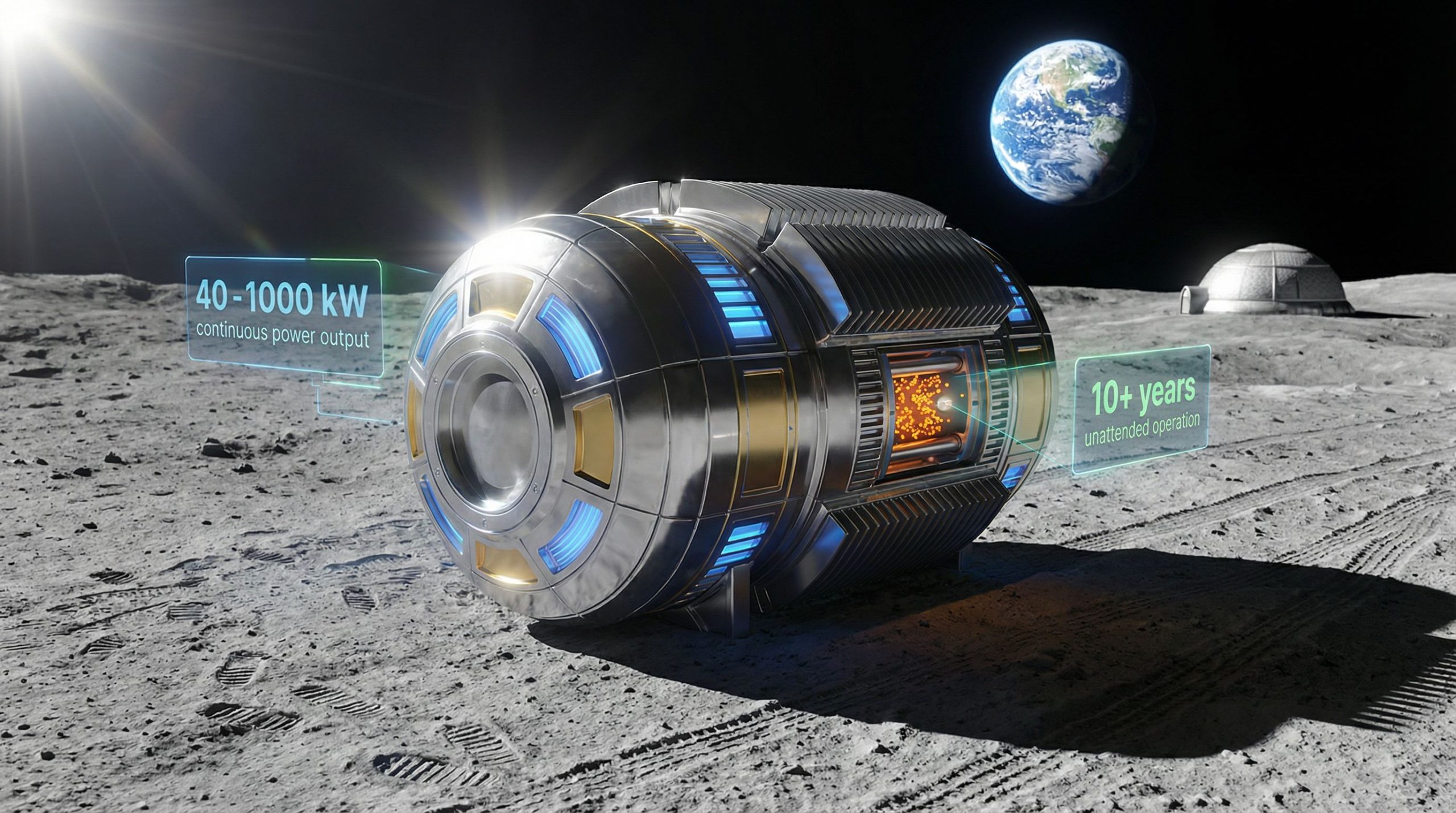

For centuries, the Moon has been humanity’s silent companion — a distant rock inspiring poets, lovers, astronomers, and dreamers alike. But in the twenty‑first century, that dusty orb has morphed into something far more than a poetic muse or a blinking night‑sky fixture. The Moon is rapidly becoming a strategic frontier, and at the center of this transformation lies one precious resource: lunar water.
Once dismissed as mere speculation, water on the Moon is now a confirmed reality — hidden beneath shadowed craters near the poles as ice, bound in minerals within the soil, or existing as patchy molecules resting in the regolith. The discovery and development of this resource have ignited scientific fervor, economic ambition, and geopolitical rivalry. As lunar exploration accelerates, lunar water could shift from a scientific curiosity into a new battleground for power, technology, and human destiny.
Where Water Is on the Moon — And Why It Matters
The Moon was long considered bone‑dry. Apollo astronauts in the 1960s and 1970s found only trace amounts of water in returned rock samples. Decades later, orbiters and landers detected evidence of hydrogen — a key component of water — especially at the lunar poles, suggesting ice deposits trapped in permanently shadowed regions where sunlight never reaches.
In recent years, advanced remote sensing and sample‑analysis techniques have confirmed that water exists in multiple forms: ice deposits in cold traps, hydrated minerals in lunar soil, and potentially even molecular water on sunlit surfaces. These discoveries transformed lunar water from theoretical speculation into an exploitable substance.
Why does this matter? Because water isn’t just valuable for life support. It’s an extraordinary compound with multiple strategic roles:
- Life Support: Water offers drinking and hygiene resources for astronauts.
- Oxygen Production: H2O can be split into oxygen for breathing.
- Rocket Fuel: Water splits into hydrogen and oxygen — the two main ingredients of chemical rocket fuel.
- Radiation Shielding: Hydrogen‑rich materials offer protection against cosmic radiation — a critical need for space colonies and long‑duration missions.
Water therefore becomes not just a commodity, but a cornerstone resource that can enable prolonged lunar bases, cheaper deep‑space travel, and the first steps toward interplanetary colonization. And this is precisely why interest in lunar water has escalated beyond pure science.
The Technology of Extracting Lunar Water
Getting water from the Moon is far from simple. Unlike rivers and aquifers on Earth, lunar water exists in challenging environments: frozen ice buried in darkness, water molecules tightly bound in soil particles, or ultra‑thin films spread across mineral grains.
Scientists and engineers are pushing a variety of technologies to tackle this problem. The research includes drilling, electromagnetic sensing, spectrometry, and in‑situ processing techniques. Two main extraction strategies have emerged:
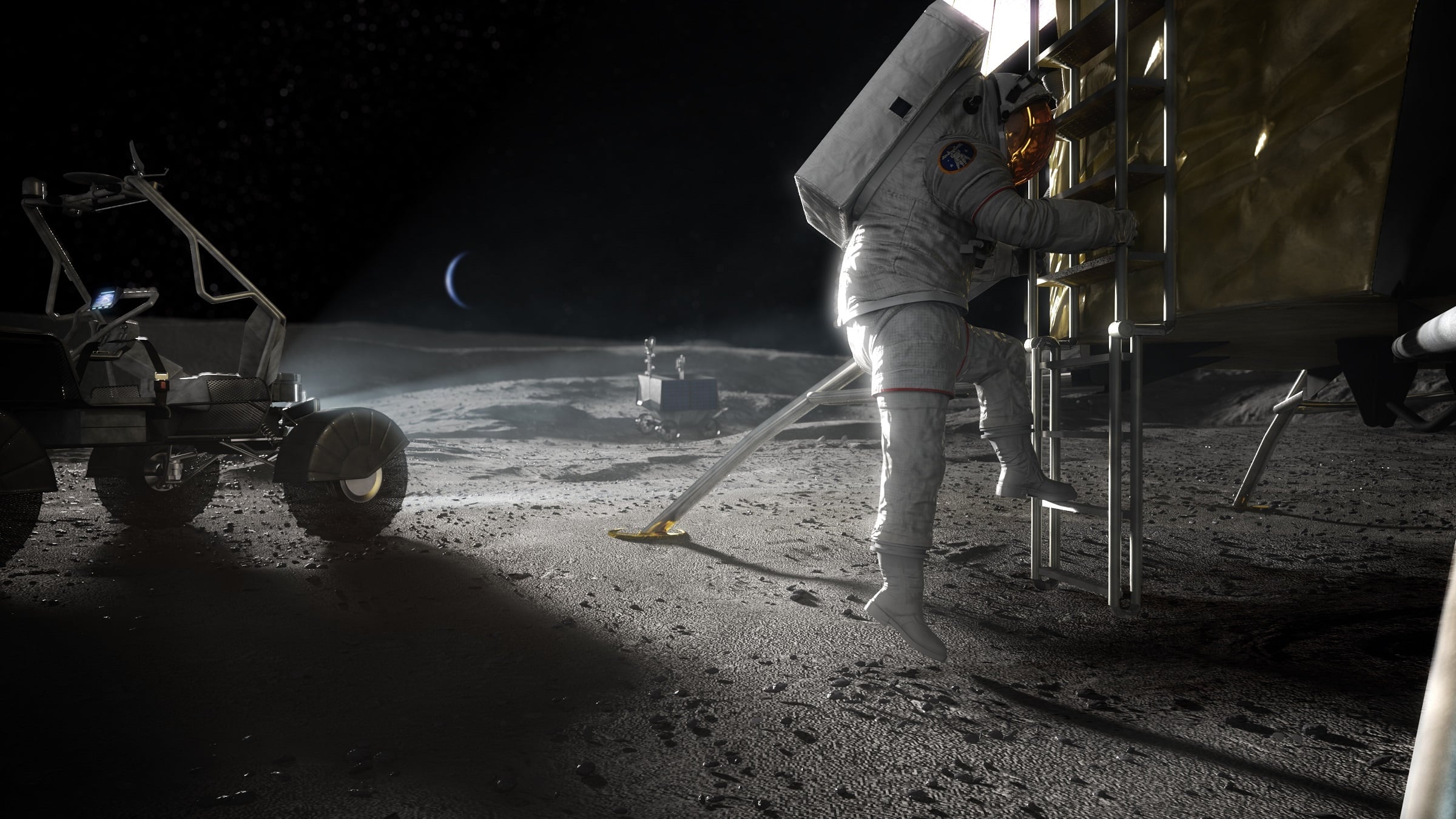
- Polar Ice Harvesting: Ice exists in the permanent shadows of polar craters. Equipment needs to operate in extreme cold, navigate unpredictable terrain, and thermally process ice into liquid water.
- Regolith Processing and In‑Situ Production: Some proposals involve heating lunar soil (regolith) to release water bound in minerals or using chemical reactions that liberate water molecules from soil constituents. These methods are still in early stages but promise more geographically flexible extraction.
In the United Kingdom, for example, a small company won an innovation competition with a novel technique that uses microwave vaporization combined with ultrasound to produce clean water from lunar regolith. Such ideas might seem quirky, but the ingenuity reveals just how intense the race for lunar water extraction technology has become.
The technology innovation path is far from smooth: extreme environments, high energy requirements, dust that clogs machinery, and the lack of tested large‑scale systems are major hurdles. But within a decade, operational water extraction systems could become a reality, especially as nations and companies commit increasing resources.
Countries and Coalitions Betting On Lunar Water
The Moon’s water race isn’t a solo venture; it’s a global competition. Major space powers — the United States, China, India, Japan, the European Space Agency (ESA), and others — are racing to map, extract, and use lunar water as part of broader exploration agendas.
The US Artemis Program is explicitly designed to establish a sustainable human presence on the Moon, with lunar water as a critical resource for refueling and base support. NASA, private partners, and international collaborators are advancing remote sensing missions, landers, and infrastructure development to support this goal.
China, meanwhile, is advancing its own lunar exploration architecture. A series of probes — including Chang’e missions — are targeting the south pole, mapping water distribution, and studying in‑situ resource utilization. Planned missions like Chang’e‑7 are poised to further this research.
Asia is emerging as a rising competitor: India and Japan have agreed to collaborate on Chandrayaan‑5, with water and ice studies at its core. This partnership symbolizes a growing shift toward multipolar space cooperation, even as competition tightens.
But competition isn’t limited to national programs. Commercial players — from launch providers to resource extraction startups — are entering the fray, drawn by the potential of lunar water not just for science missions but for commercial products and services.
Lunar Water and International Law
In theory, the Moon belongs to all humanity. The Outer Space Treaty of 1967 prohibits national appropriation of celestial bodies and calls for space to be used for peaceful purposes. But the treaty’s language is old, and its application to resource extraction rights is ambiguous.
What happens when several nations want to extract hundreds of tons of ice from the same lunar crater? Who gets priority? And can private companies claim rights to extracted resources? These questions have no clear, enforceable international answers yet. As lunar water becomes economically viable, international legal frameworks will be tested like never before.
Discussions are underway in the United Nations Committee on the Peaceful Uses of Outer Space (COPUOS) about how to handle these issues, but progress is slow. Emerging space law concepts like common heritage of mankind, permit regimes, and benefit‑sharing mechanisms are all part of these debates. But for now, the battleground is being set — and nations are positioning themselves to have the loudest voice.
Economic Implications: Lunar Water as a Commodity
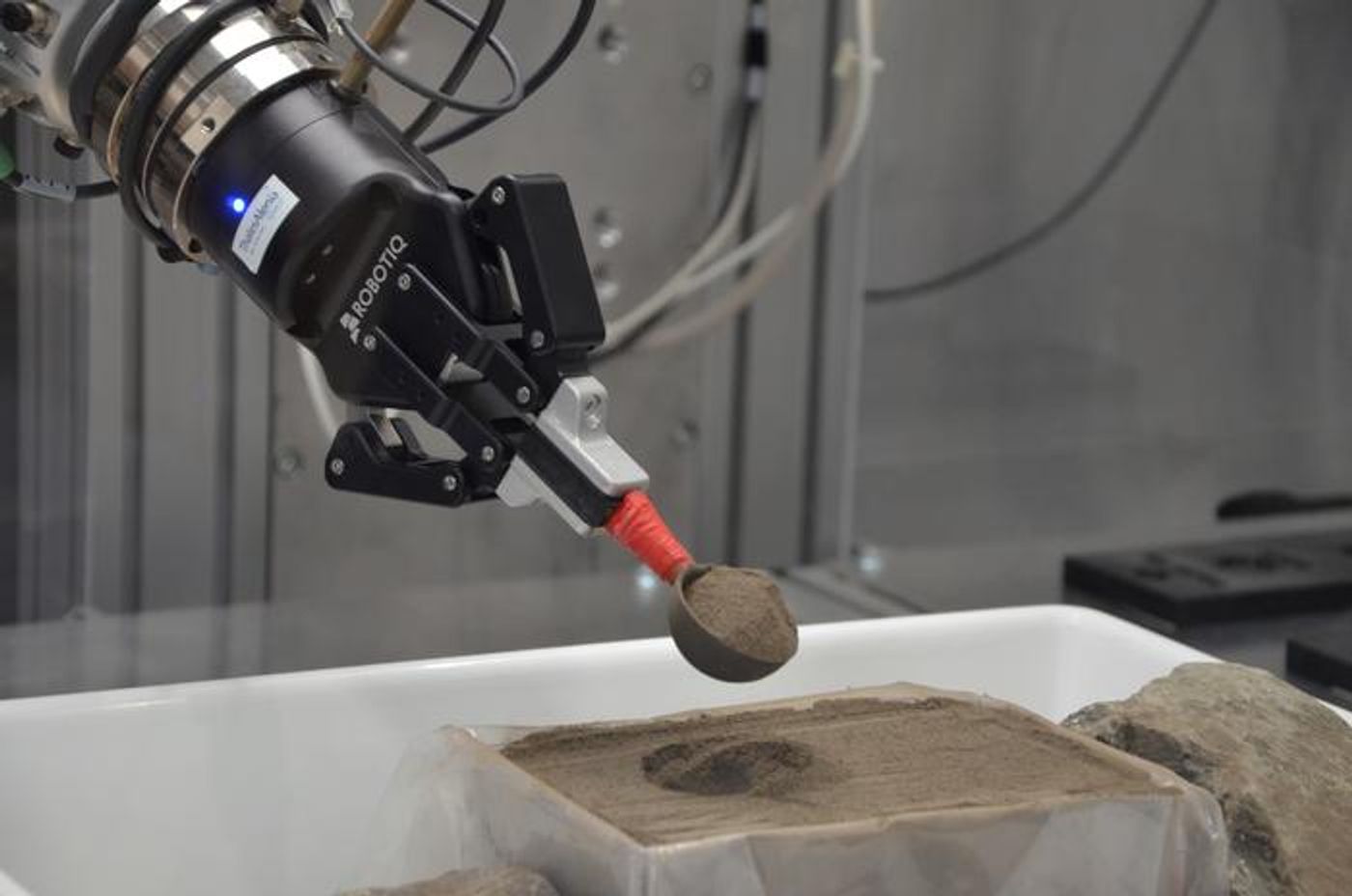
Picture a future where spacecraft refuel at lunar depots instead of hauling fuel all the way from Earth. The difference in cost and logistics would be enormous. Water harvested on the Moon could reduce the weight and cost of missions to Mars and beyond. Mining lunar water could become an industry unto itself.
Refueling stations, processing plants, and lunar transport infrastructure could become profitable ecosystems. Commercial actors like space logistics companies, fuel producers, and even tourism ventures could find ways to capitalize on Moon water. Business models range from propellant manufacturing hubs to water‑based life support services for lunar hotels or research stations.
But economics depends on reducing the cost of access and processing. Until operations can be cost‑effective, lunar water remains more dream than product. The first companies to master lunar water technologies — and the legal rights to exploit them — may secure significant economic advantages.
Security, Strategy, and Space Power Dynamics
It is already clear that lunar water is not simply about resource economics or science. It is intricately tied to national security and strategic competitiveness.
Some commentators worry that early establishing powerhouses could exert disproportionate control over lunar resources and access routes. In a worst‑case scenario, strategic pre‑emplacement at lunar poles might be seen through a zero‑sum lens, where one nation’s gain is another’s loss. While most governments affirm peaceful intent, strategic messaging and planning increasingly factor in competitive dynamics.
This doesn’t have to devolve into militarization — no one expects trench warfare on crater rims — but it may shape alliances, deterrence doctrine, and technological prioritization in ways reminiscent of historical resource rushes on Earth.
Thus, lunar water sits at the intersection of exploration, competition, and cooperation. Its political gravity might define the direction of twenty‑first‑century space policy.
Beyond the Moon: A Water‑Powered Solar System?
If lunar water can be utilized effectively, it could act as a gateway to deeper space exploration. Water ice has been detected or inferred on Mars, Ceres, and other planetary bodies. Mastering the Moon’s resources could provide a template for how humanity harvests and uses water throughout the solar system.
Some scientists even envision a “water‑based architecture” for space travel — where water is the connective tissue between Earth, lunar destinations, Mars, and beyond. Water could be used not just for fuel but also for habitat construction (e.g., radiation shielding), agriculture, and even novel industrial processes in space.
Thus, lunar water could be both a battleground and a bridge — a contested resource today that may become the backbone of human expansion tomorrow.
Conclusion: A Battle or an Opportunity?
So, will lunar water become a new battleground? The answer is yes — but not in the visceral, territorial sense of historical conflicts. It will be a battleground of ideas, technologies, legal frameworks, economic pioneering, and geopolitical influence. The Moon does not belong to any one nation, but the early movers could well define how its resources are accessed and used.
Rather than viewing lunar water solely as a prize to be seized, the global community has a unique opportunity: to derive benefits collaboratively, to build laws that ensure fair access, and to foster innovation that expands humanity’s capabilities. The Moon’s water can be a source of life, rocket fuel, science, prosperity — and yes, competition. But it can also be a catalyst for peaceful cooperation at the final frontier.