








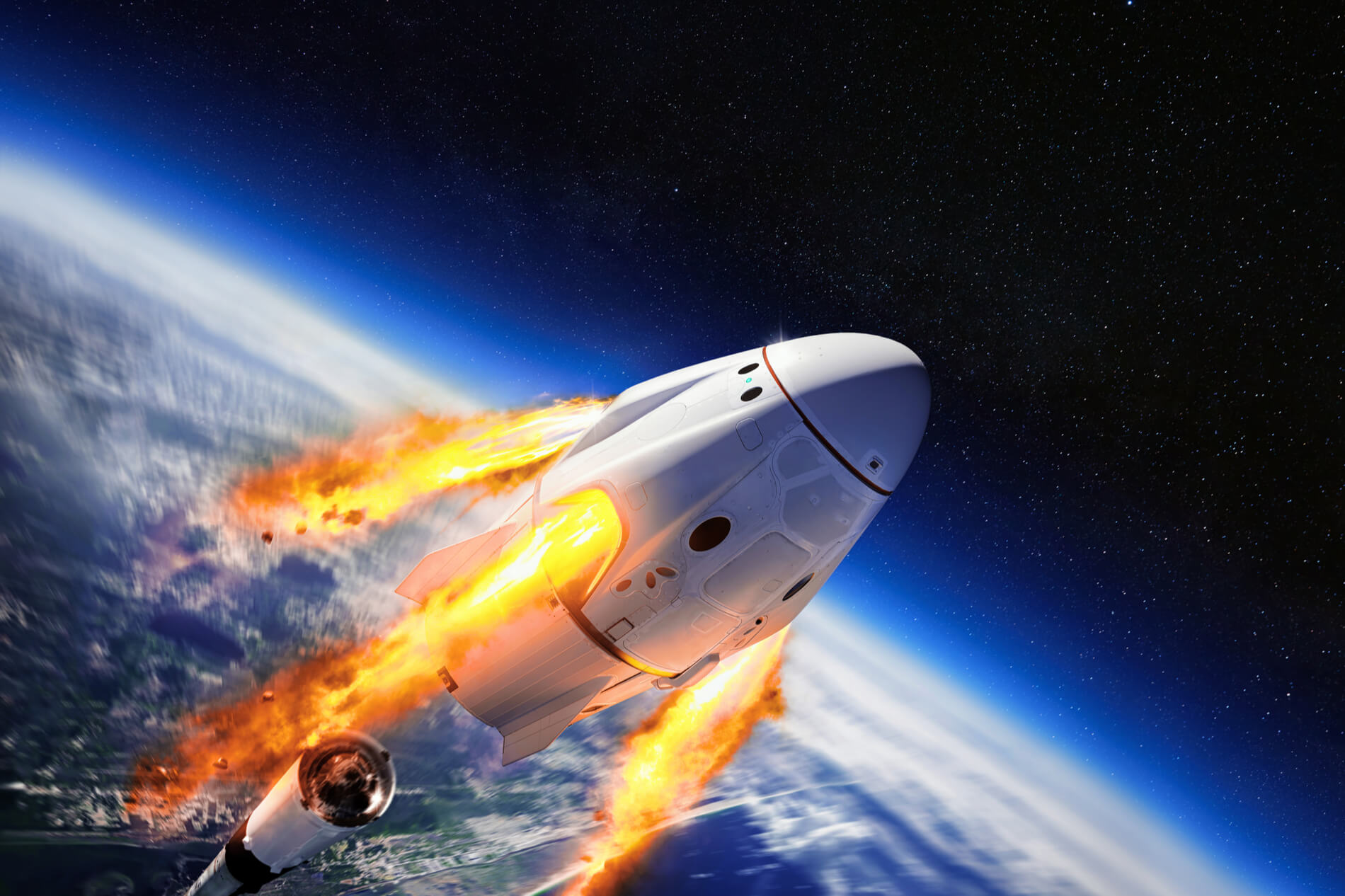

Space tourism is no longer pure science fiction. What once existed only in novels and blockbuster films is rapidly evolving into a real — albeit costly — commercial sector. Thanks to a surge in private spaceflight initiatives, technological innovation, and growing global interest, space tourism is transforming from an elite curiosity into a burgeoning industry with the potential to become a more commonplace vacation experience. This article explores that journey with clarity, precision, and a spirited look at what the future may hold.
Evolution of Space Tourism: From Concept to Reality
Space tourism began as an exclusive elite experience. The first private space traveler, Dennis Tito, flew to the International Space Station decades ago, paying a price that matched a luxury yacht. In recent years, however, companies such as Virgin Galactic, Blue Origin, and SpaceX have advanced commercial spaceflight technology and operations — moving the industry from highly specialized missions to regular commercial offerings.
Early space tourism efforts have primarily focused on suborbital flights — short arcs that cross the boundary of space before returning to Earth. These flights let passengers experience weightlessness and see the curvature of the planet briefly, and they are far easier and less expensive to operate than long-duration orbiting missions.
The industry is also expanding orbital vacations — longer trips where travelers circle the Earth and may even stay aboard private space stations or future “space hotels.”
Current Market Landscape: Growth and Demand
Recent market analysis paints a picture of rapid and sustained growth. Reports indicate that the global space tourism market is expanding swiftly from a small niche into a multi‑billion‑dollar industry. From an estimated $0.8–1.0 billion in 2024–2025, projections show the market reaching multi‑billion levels by the end of this decade and expanding greatly thereafter.
Key trends include:
Technological advancement — Reusable rockets, safer flight systems, and AI‑enhanced operations are reducing costs and increasing safety.
Broader participation — Though early bookings are dominated by wealthy individuals, numerous companies are developing programs aimed at broader demographics.
Global interest — Countries beyond the US, including China and those in Europe and Asia, are entering the space tourism arena, either through startups or government‑supported ventures.
Diverse experiences — Beyond suborbital flights, options may soon include space station vacations, lunar flybys, and even Mars‑focused excursions.

Cost Trajectories: From Ultra‑Luxury to Potential Accessibility
One of the biggest barriers to space tourism becoming common is cost. At present, tickets for suborbital flights can run from hundreds of thousands of dollars, while longer orbital stays can cost tens of millions.
However, this mirrors the early years of commercial flight. When air travel first emerged, it was an extravagance only the wealthy could afford. Over decades, it became routine for millions. A similar trend may unfold in space — if technology, competition, and mass production pressures continue to drive prices downward.
Reusable launch vehicles and streamlined operations are critical to reducing costs. Companies investing heavily in this area aim to make space more accessible — though average vacation budgets are likely still decades away from covering a typical orbital trip.
Infrastructure & Logistics: Building the Space Travel Network
For space tourism to become ordinary, robust infrastructure is essential. This means more spaceports, commercial space stations, advanced life‑support systems, and international regulatory standards.
Spaceports — Facilities designed for commercial launches are being built globally, providing regional hubs for flights.
Space hotels and stations — Initiatives like private orbital outposts and concepts for long‑duration stays envision accommodations beyond Earth.
Regulation and safety — Coordinated international standards and safety protocols are being developed, which will be vital for both passenger protection and confidence.

Societal and Psychological Impact
Space tourism’s rise will have significant cultural implications.
Perspective shift — Seeing Earth from space has a profound psychological and philosophical impact. The “overview effect,” reported by astronauts, could influence travelers deeply. This psychological shift may contribute to greater environmental awareness and global unity.
Educational and scientific benefits — Tourism may be linked to research, as non‑professional participants contribute to microgravity experiments and other scientific activities.
Economic ripple effects — A thriving space tourism industry could stimulate sectors from hospitality and media to education and engineering.
Challenges on the Path to a Common Vacation
Despite optimism, significant hurdles remain:
- Cost reduction — The price must fall dramatically before space tourism becomes a travel option for the masses.
- Safety and risk perception — Spaceflight inherently carries risk. Mitigating both real danger and public fear is crucial.
- Environmental concerns — Rocket launches emit pollutants into the upper atmosphere, potentially affecting climate and ozone chemistry.
- Regulation and legal frameworks — International agreements and clear rules will be essential to manage airspace, liabilities, and tourism operations.
Each of these challenges must be addressed through innovation, global cooperation, and thoughtful policy.
The Future Landscape: Normalized Space Vacations?
Will space tourism become a “common vacation”? The short answer: possibly — but not anytime soon. In the decades ahead, the industry is likely to undergo phases of development, expansion, and democratization.
By 2030, space tourism will remain an exciting luxury for many, but increasing demand, technological progress, and cost reductions could open the doors to upper‑middle‑class travelers.
Looking further ahead, by 2050 and beyond, it is conceivable that orbital vacations, stays on commercially operated stations, and even lunar sightseeing could be part of standard travel offerings — much as overseas flights became mainstream over the past century.
In summary, space tourism’s journey from rare spectacle to common vacation will be gradual but unstoppable. The interplay of markets, technology, policy, and human curiosity will shape a world where reaching the stars might one day feel like hopping on a long‑hailed international flight.