










In the ever‑accelerating world of software development and artificial intelligence, beta testing isn’t just a milestone—it’s a crucible. As AI innovations ripple across industry after industry, beta programs have emerged as both amplifiers of innovation and, paradoxically, generators of disarray. The question isn’t merely whether AI beta testing is useful—anybody involved in modern tech knows it is—but whether it’s a catalyst for resilient, smart innovation or a source of chaotic toolchain sprawl that strains teams, dilutes quality, and undermines the very progress we seek.
This article explores that question deeply: the dynamics of AI beta testing, its impact on toolchains, the risks and rewards, and the art of navigating between pioneering progress and unmanageable complexity.
The New Beta Reality: Why AI Beta Testing Is Different
Beta testing has always been a rite of passage for software products. In the traditional world, a beta is where bugs get found, usability glitches are revealed, and products inch toward readiness before the spotlight of general release. But AI changes the rules of the game.
Where traditional systems behave deterministically—same input, same output—AI systems are probabilistic and emergent. In practical terms, this means that the outcomes you measure during a beta program may vary, even if the code base does not. As one analysis of AI/ML beta challenges puts it, you can’t define pass/fail criteria in the same binary way you might for conventional software; instead, you validate bounds of performance and acceptable behavior ranges that reflect the variability of real‑world interactions.
In other words: AI betas are less about checking boxes and more about mapping the landscape of uncertainty.
Beta testing AI tools exposes them to the unpredictable complexity of real environments and diverse human usage patterns. Traditional QA techniques—unit tests, integration tests, smoke tests—are essential but not sufficient. As another review notes, AI beta tests must anticipate and test for biases, unpredictability, and emergent behavior that simply won’t show up in controlled lab conditions.
This shift fundamentally changes the role of testing in the product lifecycle. Beta becomes not only about finding defects, but also about stress‑testing assumptions, revealing hidden biases, and refining models so they behave reliably in the messy, noisy real world.
Innovation Engines or Complexity Engines?
AI beta testing sits at the nexus of innovation and complexity. On one hand, beta programs democratize discovery: they uncover use cases that developers never imagined and expose weaknesses that would otherwise lie dormant until launch.
On the other hand, this same process can inject fragility into a product’s underlying toolchain.
The Innovation Case
- Real‑World Feedback Enhances Adaptation
No amount of in‑lab testing can match the diversity of user environments and tasks encountered during a public beta. Real people ask real questions in real contexts—and reveal insights that pre‑release simulations might never show. This diversity of feedback accelerates refinement, hones model behavior, and reduces post‑release incidents. - Raw Data for Better Models
Beta usage provides rich, real data that enhances training, validation, and benchmarking of machine learning models. AI thrives on data; the real world is where it learns both power and nuance. - Early Detection of Bias and Failure Modes
When AI meets real users, biases and blind spots are revealed. A beta program offers a controlled environment for identifying fairness issues—long before a full launch reaches millions. - Community Engagement
Savvy companies use beta tests not only for debugging but for building communities of passionate early adopters who help shape future directions. Feedback loops become a two‑way street fueling both product evolution and brand loyalty.
Toolchain Sprawl: Beta Testing’s Hidden Chaos
Beta testing—especially for AI tools—introduces a curious contradiction: the very process that surfaces innovation can also fragment the toolchain and lead to operational complexity.
One often overlooked challenge is toolchain sprawl—the proliferation of point solutions that developers must juggle to integrate AI into existing workflows. Toolchain sprawl emerges when teams adopt many niche tools rather than unified platforms. Research from DevSecOps professionals highlights how toolchain complexity leads to context switching, increased costs, and fractured developer experiences.
Imagine a typical modern release pipeline: a code editor augmented with AI helpers, separate AI‑powered testing tools, multiple CI/CD integrations, separate analytics and monitoring, and more. Each one promises value—but each also expands the surface area of complexity and creates more seams where systems can break.
Beta tests often drive rapid adoption of new niche AI tools, as teams rush to capitalize on every competitive edge. Yet without robust governance, this results in:
- Duplicate capabilities across tools
- Inconsistent workflows across teams
- Increased security and compliance blind spots
- Escalating maintenance overhead
The irony is clear: AI beta testing promises streamlined innovation but can produce an ecosystem that feels like a messy garage with too many power tools and no clear organization.
Balancing Innovation with Stability

So if AI beta testing has the power to both innovate and destabilize, the real question is how to leverage the upside while minimizing chaos.
Below are strategies that separate productive experimentation from uncontrolled disruption.
1. Establish Clear Evaluation Criteria
AI systems don’t conform to binary yes/no test outcomes. Establish thresholds for performance, fairness, and safety that reflect the probabilistic nature of AI. Use benchmarks and metrics that are suitable for AI behavior rather than traditional QA pass/fail criteria.
2. Monitor for Toolchain Redundancy
Before adopting a new beta tool, evaluate how it intersects with your existing stack. Consolidate where possible; choose extensible solutions over one‑trick ponies. This improves efficiency and reduces cognitive load on engineers.
3. Integrate Beta Testing with Continuous Delivery
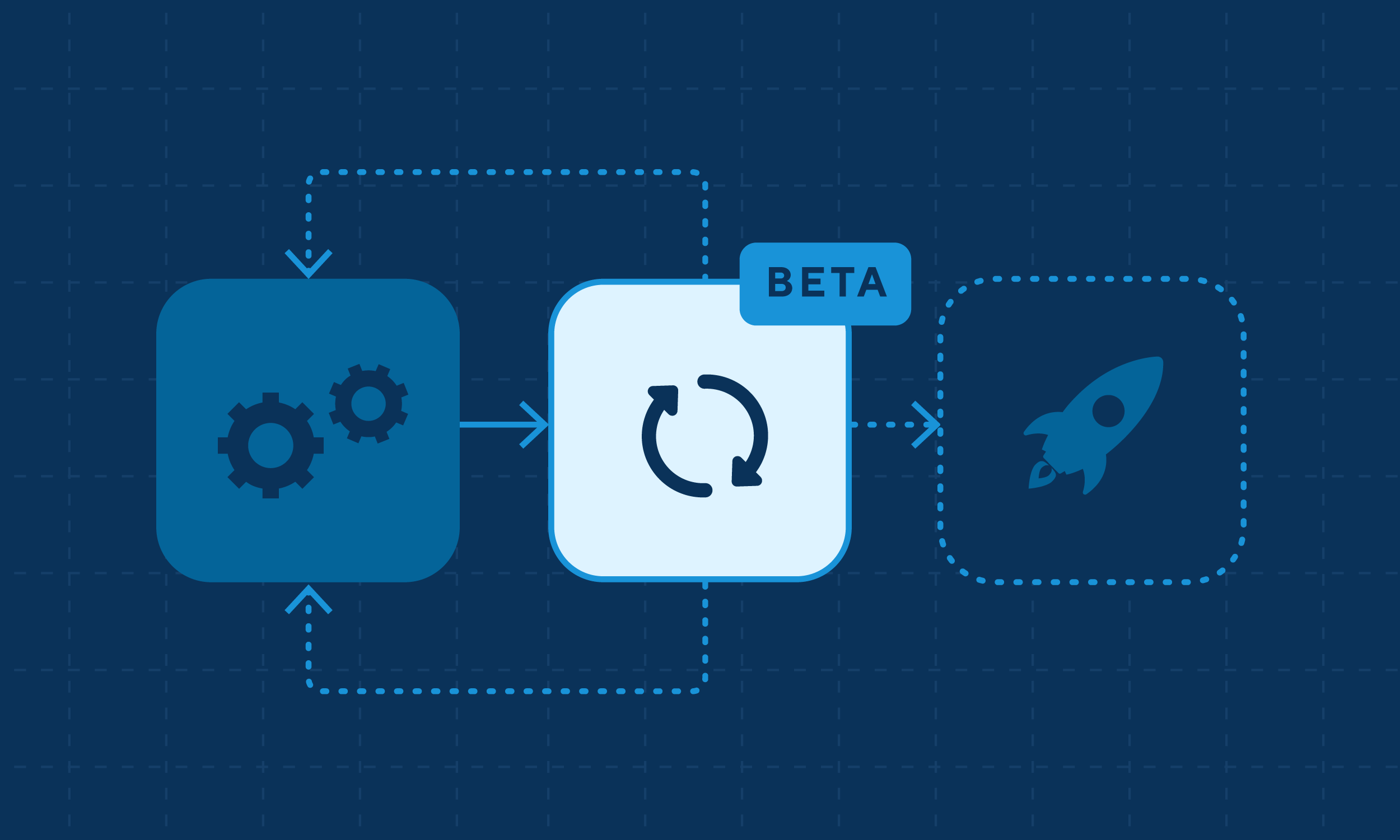
Incorporate beta feedback loops directly into your CI/CD pipelines, so insights become part of the development rhythm—not an afterthought. This ensures beta results feed back into development more rapidly and consistently.
4. Empower Teams with AI Literacy
Beta testing is only as effective as the humans interpreting and acting on the results. Organizations that invest in AI literacy—training engineers, product managers, and QA specialists—gain deeper insights and make more strategic decisions about how to leverage beta outcomes.
5. Treat Beta Data as a Strategic Asset
Beta insights should fuel not just bug fixes but also roadmap decisions, prioritization, risk mitigation, and model governance strategies. Treating beta feedback as a strategic resource elevates its value far beyond debugging.
Risks Still Lurking Beneath the Surface
No discussion of AI beta testing’s impact would be complete without acknowledging the risks:
- Overreliance on AI generated outcomes can erode human expertise, as testers and developers grow dependent on automated feedback loops.
- Security and privacy hazards emerge when test data includes sensitive information or must be sent to third‑party AI services.
- Inaccurate conclusions if AI outputs are blindly trusted can lead to silent failures slipping into production.
- Bias and fairness gaps manifest most starkly under diverse real‑world usage, creating reputational as well as functional risks.
These risks are not reasons to abandon beta testing, but they underscore the need for deliberate governance, human oversight, and ethical frameworks guiding beta programs.
Conclusion: Innovation and Chaos Are Not Mutually Exclusive
AI beta testing neither purely drives innovation nor solely creates chaos. Instead, it is a dynamic force that can tilt toward either outcome depending on how it’s managed.
At their best, AI beta programs harness community insight, accelerate iteration cycles, and deepen understanding of how AI systems behave under diverse conditions. They unlock learning that no internal QA team could ever achieve on its own.
At their worst, uncontrolled beta adoption contributes to fragmented toolchains, techno‑bloat, and decision paralysis—where engineers spend more time integrating and reconciling tools than actually developing value.
The key takeaway is not to avoid beta testing—but to elevate it. When organizations approach AI beta tests with thoughtful criteria, disciplined governance, cross‑functional engagement, and an eye on strategic outcomes, the result is not chaos—but sustainable innovation.