








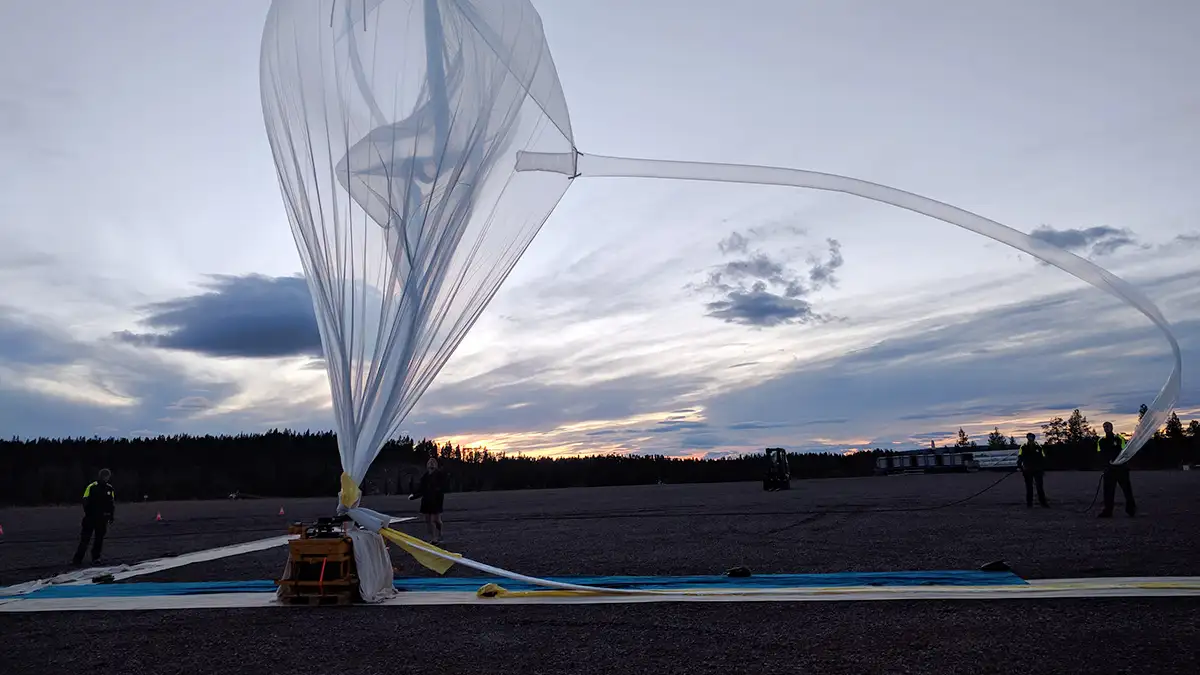

Humanity stands at one of the most pivotal moments in planetary history. Climate change—once a distant scientific worry—is now a defining challenge of our time. Global temperatures are rising, ice sheets are melting, heatwaves and droughts are becoming more frequent, and storms are hitting harder than ever before. Facing these threats, scientists, policymakers, and futurists are asking a provocative question: should we engineer the weather to stop climate change? This idea may sound like science fiction, but it’s already moving from the realm of theory to real-world experimentation and debate. In this deep-dive article, we’ll explore the science, ethics, risks, and potential of weather engineering as a climate tool.
1. What Is Weather and Climate Engineering?
At its core, weather and climate engineering—often called geoengineering—refers to intentional, large-scale interventions in Earth’s climate system to counteract global warming or to alter specific weather patterns. These interventions generally fall into two broad categories:
Solar Radiation Modification (SRM)
This includes techniques that aim to reduce the amount of sunlight reaching the Earth’s surface, effectively cooling the planet. One widely studied example is stratospheric aerosol injection (SAI), where tiny reflective particles (often sulphate aerosols) are dispersed into the upper atmosphere to reflect sunlight back into space, mimicking the cooling effects seen after massive volcanic eruptions.
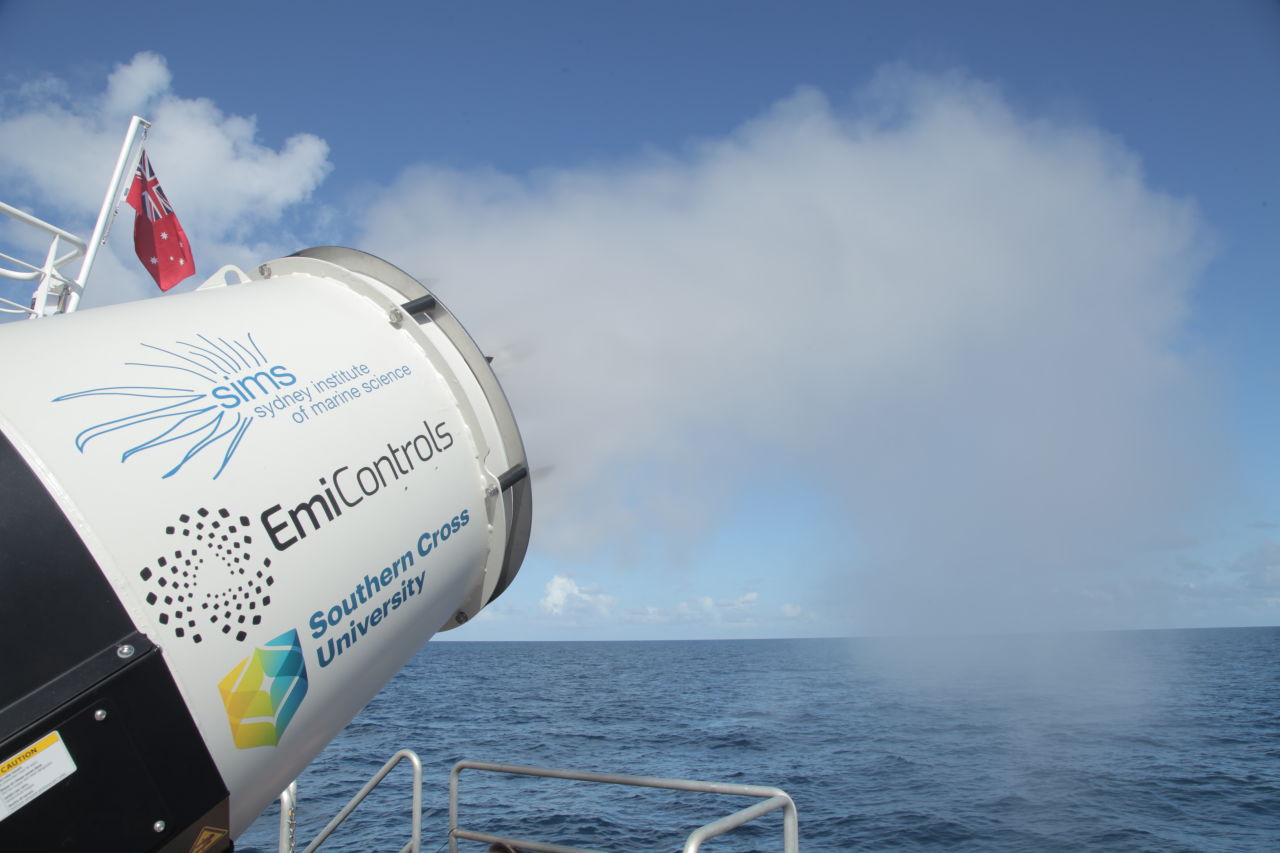
Another SRM idea is marine cloud brightening, which involves spraying fine seawater droplets into marine clouds to make them more reflective.
Climate System Alteration
Some proposals aim to interact with other parts of the climate system—for example, seeding clouds to induce rain (known in weather modification circles but with limited climate impact), thinning specific cloud types like cirrus clouds to change heat trapping, or even altering ocean chemistry to boost carbon uptake by marine life.
These strategies vary in complexity, maturity, and understandings of impact. None yet are close to large-scale deployment, but several are subjects of active research and debate.
2. Why Consider Weather Engineering at All?
The most straightforward answer is urgency.
Global efforts to cut greenhouse gas emissions have advanced but are falling short of meeting internationally agreed climate goals. Current trajectories could push average global temperatures past the internationally significant 1.5°C increase as early as the mid-2030s. This has led some to consider whether we might need backup plans—ways to buy time while deep decarbonization and adaptation strategies scale up.
In essence, climate engineering could function as a climate emergency brake: an intervention that buys precious time to reduce emissions and build resilient infrastructure. Proponents argue that comprehensive research and governance frameworks are critical today, precisely because if we wait until a climate catastrophe is unavoidable, rushed or unilateral deployment could lead to worse outcomes.
Even governments are beginning to explore this possibility. For example, the UK launched a multi-million-pound initiative to conduct small-scale geoengineering experiments and deepen our understanding of these techniques.
3. How Might Weather Engineering Work?
Let’s look at some of the most discussed methods and the science behind them:
Stratospheric Aerosol Injection (SAI)
SAI aims to disperse reflective particles high in the stratosphere. These particles increase Earth’s albedo—the fraction of sunlight reflected back into space—causing global cooling. The idea draws direct inspiration from natural volcanic eruptions. After the 1991 eruption of Mount Pinatubo, the Earth experienced a noticeable cooling for about two years as sulphate particles circled the globe.
Models suggest that carefully calibrated SAI could limit warming and reduce some climate risks—but not without complex trade-offs in weather patterns and ecological impacts.
Marine Cloud Brightening (MCB)
By spraying ultra-fine seawater droplets into low-lying marine clouds, MCB would increase cloud reflectivity and possibly help cool surface temperatures. Some simulation studies indicate that under specific conditions this could slightly dampen large climate anomalies.
Cirrus Cloud Thinning
Unlike other cloud manipulation techniques intended to increase reflection, cirrus cloud thinning seeks to reduce high, heat-trapping clouds to let infrared radiation escape more easily from the atmosphere. Early research suggests uncertain cooling effects and significant knowledge gaps.
Weather Modification vs. Climate Engineering
It’s important to distinguish weather modification approaches (like cloud seeding for rain) from global climate engineering. Weather modification tends to address localized phenomena, while geoengineering targets planetary systems.
4. The Major Benefits Proposed
Advocates for weather engineering and geoengineering highlight several potential upsides:
Rapid Temperature Response
Some techniques, like SAI, could theoretically lower temperatures within months to years—a much quicker effect than many mitigation strategies.
Temporary Safety Valve
In a scenario where climate thresholds are being breached, geoengineering could provide a temporary buffer while deep emissions cuts and carbon removal technologies ramp up.
Supplement Not Substitute
Most proponents emphasize that climate engineering should complement, not replace, emissions reductions and renewable energy transitions.
Scientific Knowledge Gains
Investing in research helps us understand Earth’s climate system better, equipping humanity with tools to anticipate and manage extreme events more effectively—even if geoengineering is never deployed.
5. The Risks and Unknowns
Despite the promise, geoengineering is controversial—and with good reason. Some of the key concerns include:
Unintended Climatic Side-Effects
Large-scale interventions could disrupt precipitation patterns, shift monsoons, or have uneven regional impacts. For example, poorly distributed SRM efforts could intensify hurricanes or drought in some regions.
Termination Shock
If an SRM project were initiated and then abruptly stopped while greenhouse gas levels remained high, temperatures could rise rapidly in a so-called termination shock, causing severe ecological and societal stress.
No Cure for Ocean Acidification
Weather engineering doesn’t remove carbon dioxide from the atmosphere. Ocean acidification—caused by CO₂ dissolving into seawater—would continue unabated.
Governance and Ethics
Who decides when, how, and where to engineer the climate? There is currently no global governance framework to manage these interventions, and unilateral action could spark geopolitical tension or conflict.
Environmental Impact Uncertainties
Long-term ecological effects are poorly understood. Some polar geoengineering ideas (such as reflective beads or underwater curtains) have even been labeled “dangerous and unimaginably expensive.”
Moral Hazard
A psychological and policy concern is that the possibility of geoengineering might reduce the urgency of cutting greenhouse gas emissions—akin to treating symptoms while ignoring the disease.
6. Ethical Dimensions
Geoengineering isn’t just a technical challenge—it’s an ethical one. The prospect of manipulating planetary systems raises questions about justice, equity, and responsibility:
Equity
Who bears the risks and benefits? Regions already facing climate impacts—often the Global South—could be disproportionately affected by intervention side effects.
Consent
Can humanity as a whole consent to actions whose impacts will be felt by billions of people and future generations?
Governance
Creating fair, transparent, and enforceable global frameworks will be essential before any deployment could be considered responsible.
7. Current Status of Research and Policy
Geoengineering research is gaining momentum—but cautiously. Governments, universities, and think tanks are exploring risks, small-scale tests, and governance frameworks, while many scientists urge careful, transparent, and internationally coordinated studies.
At the same time, public skepticism and policy resistance remain strong in many quarters. Some experts argue that focusing too much on geoengineering diverts attention and funds from mitigation and adaptation strategies that are already proven effective.
8. A Balanced Future?
So, should we engineer the weather to stop climate change?
There’s no simple yes or no answer. Geoengineering may offer tools that help mitigate some risks of climate change if and only if they are understood deeply, governed wisely, and used responsibly alongside aggressive emissions reductions. It’s not a silver bullet, and it’s not a substitute for cutting fossil fuels or protecting ecosystems. But dismissing it outright without research could leave humanity unprepared if climate thresholds are breached.
Weather engineering is a glimpse into what it might mean to take intentional control of planetary systems—an idea that is as thrilling as it is humbling. The real challenge lies in navigating the scientific, ethical, and political terrain with wisdom and foresight.