









The idea of “Neural Lace” sounds like something ripped from the pages of a hard‑science fiction novel — an elegant symbiosis of flesh and circuitry, where the human brain isn’t just sending signals to a keyboard or touchscreen, but directly to the digital world. Yet today, what was once fiction is teetering on the edge of reality. Advances in neurotechnology and brain‑computer interfaces (BCIs) — spearheaded by pioneers like Elon Musk’s Neuralink — have brought the concept of neural lace into serious scientific discourse. But is neural lace truly the next evolutionary step for humanity? This article dives into the technology, the science, the promises, the risks, and the profound implications of blending silicon with synapses.
Table of Contents
- What Is Neural Lace
- The Science and Engineering Behind It
- Neuralink and the Race to Build BCIs
- Medical Promise: Healing the Nervous System
- Beyond Healing: Cognitive Enhancement
- The Philosophy of Human Upgrade
- Ethical, Social, and Legal Concerns
- Technical Hurdles That Remain
- Cultural and Psychological Impact
- The Future: Evolution, Integration, or Illusion?
1. What Is Neural Lace?
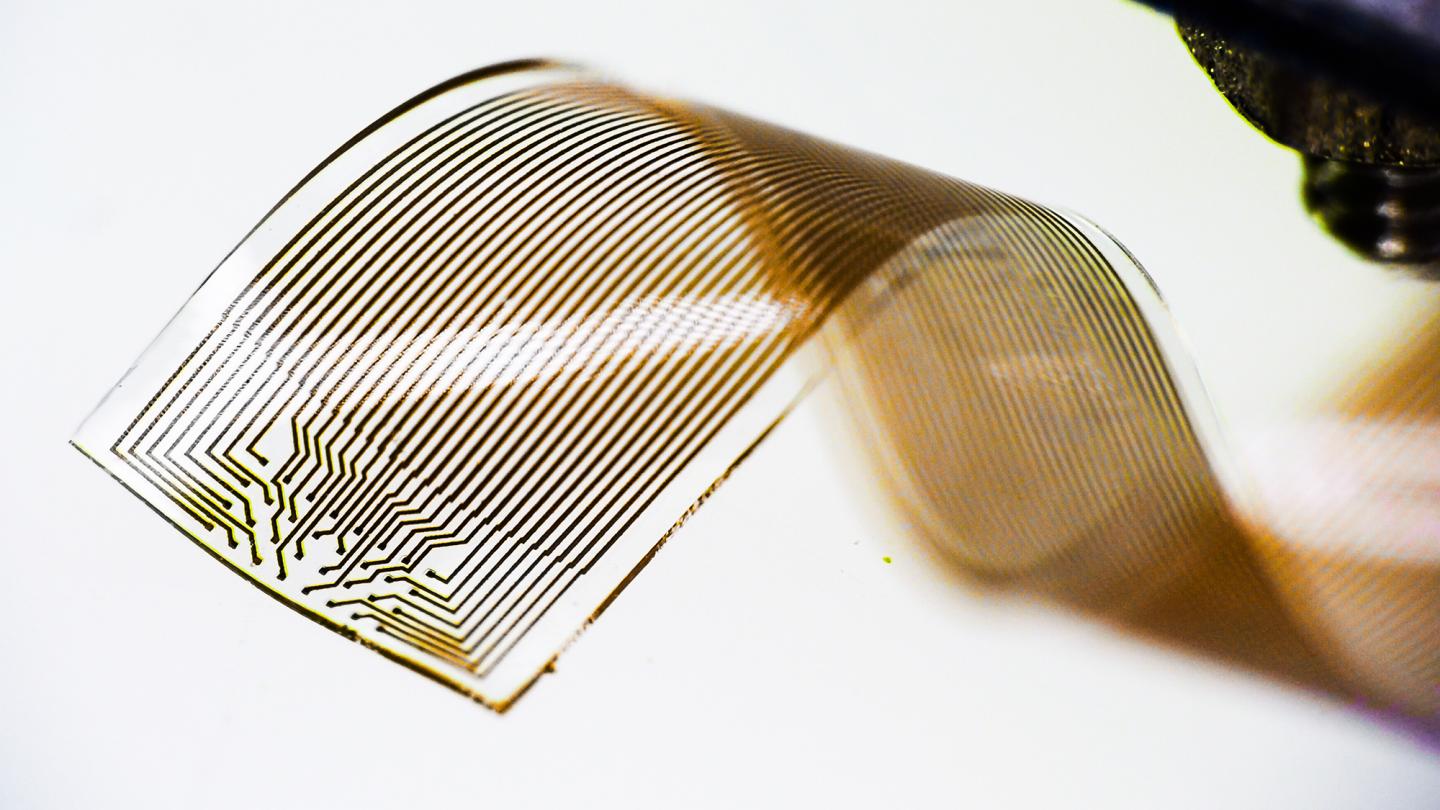
Neural lace refers to an ultra‑thin, flexible mesh of electrodes designed to integrate with the brain’s cortex to monitor and modulate neural activity. Conceptually, it sits between the brain’s biological circuitry and digital computing systems — a “lace” woven into the neural fabric allowing seamless brain‑machine communication. Unlike bulky headsets or helmets, neural lace is invasive, meaning it is implanted beneath the skull and becomes functionally part of the nervous system.
The term itself owes much of its popularization to both science fiction and the real‑world ambitions of neurotechnology research leaders who envision a future where minds communicate with machines and, ultimately, each other, without intermediaries.
2. The Science and Engineering Behind It
At its core, neural lace combines biocompatible materials with advanced electronics:
- Electrode mesh: Tiny, flexible threads or meshes that gently interface with neurons.
- Signal transduction: The electrodes detect electrical impulses in the brain and convert them into digital signals.
- Communication module: Wireless or implanted chips transmit these signals to external devices or interpret them for real‑time use.
The goal isn’t simply to read brain activity, but to write it as well — meaning the interface could, in principle, stimulate specific patterns of thought or perception. Engineering challenges are immense: achieving stable long‑term integration, transmitting high‑bandwidth signals without heat or energy problems, and ensuring biocompatibility require innovations at the intersection of neuroscience, materials science, bioengineering, and computing.
3. Neuralink and the Race to Build BCIs
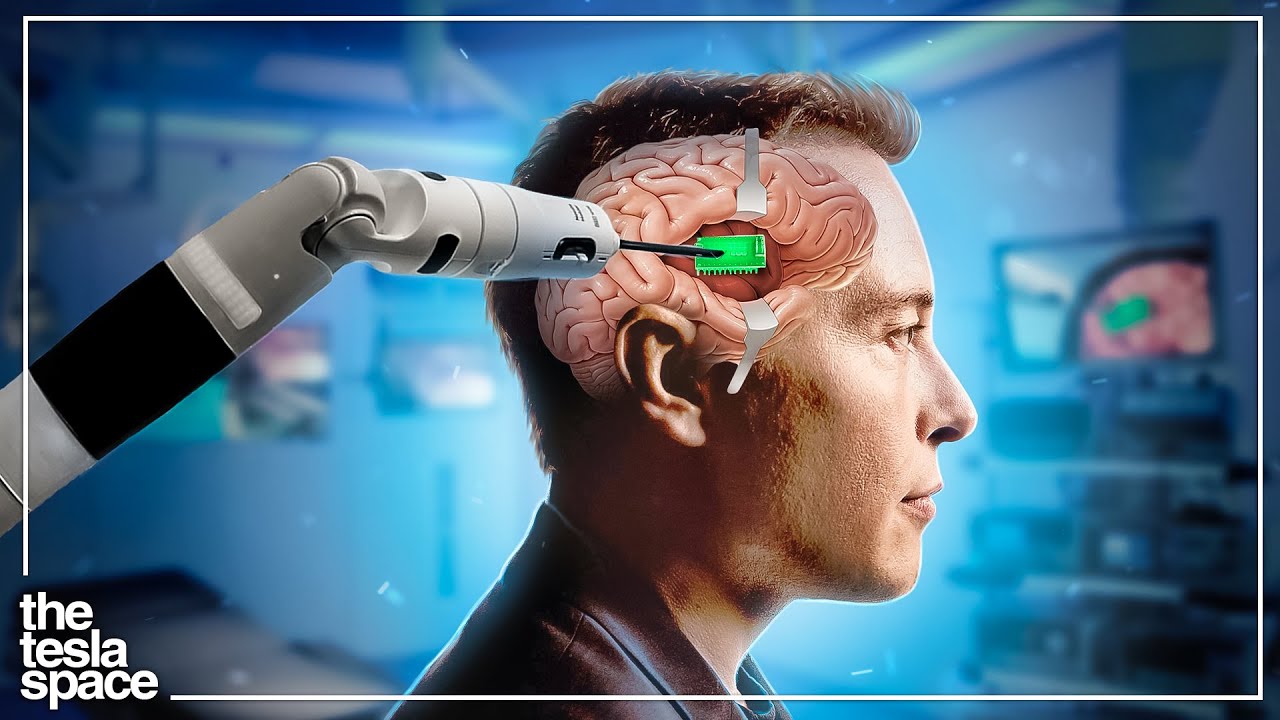
Neuralink, founded by Elon Musk and a team of scientists in 2016, exemplifies the cutting edge of brain‑computer interface development. It produces ultra‑miniaturized implantable devices intended to interface with neural tissue. The company’s flagship device — often referenced as the “Link” — contains thousands of microscopic electrodes threaded into brain tissue and communicates wirelessly with external computers.
In early 2024 Neuralink reported the first implants in human volunteers under FDA authorization, enabling control of computer cursors and games through thought alone. Progress continued with more patients receiving implants, with iterative improvements in signal bandwidth and longevity.

Yet these early trials are still experimental. Some recipients have seen electrodes detach or lose signal over time — a reminder that this technology remains in its infancy.
4. Medical Promise: Healing the Nervous System
The most immediate and compelling applications of neural lace–like interfaces are medical:
- Restoring mobility: BCIs could help paralyzed individuals regain control of limbs or prosthetics by bypassing damaged spinal connections.
- Enabling communication: For people who cannot speak due to neurological conditions, brain signals could be translated into words or actions.
- Treating disorders: Conditions like Parkinson’s, epilepsy, depression, or sensory deficits might be mitigated through targeted neural stimulation.
Where pharmaceuticals and surgical techniques have limitations, direct neural interfaces offer a new axis of intervention. They could transform rehabilitation, caregiving, and quality of life for millions.
5. Beyond Healing: Cognitive Enhancement
While medical applications are compelling, the idea that neural lace could enhance healthy minds is what captures imaginations — and anxieties. In theory, these interfaces could:
- Accelerate learning or memory recall.
- Enable telepathic communication between users.
- Integrate AI directly with human reasoning.
- Provide access to computational augmentation akin to having superhuman cognition.
Elon Musk has speculated that, eventually, such technology could even allow backup of memories or integration with artificial intelligence — a kind of digital continuation of consciousness. Although these ideas stretch far beyond current capabilities, they drive bold speculation about human potential.
6. The Philosophy of Human Upgrade
The neural lace narrative intersects with age‑old questions: What does it mean to be human? If we enhance cognition or communication through technology, where is the line between biological identity and engineered self? Philosophers, futurists, and scientists weigh in:
- Could enhanced humans diverge into a new species over generations?
- Might cognitive augmentation redefine intelligence or creativity?
- Would a neural interface blur boundaries between self and environment?
These aren’t just theoretical musings — they reflect deep philosophical tension in pursuing technological transcendence while preserving human uniqueness.
7. Ethical, Social, and Legal Concerns
Building neural lace isn’t just a technical endeavor — it’s a social gamble fraught with ethical questions:
- Equity and access: Will this technology be a privilege of the wealthy or broadly accessible?
- Privacy: Neural data is perhaps the most personal information imaginable — raising fears of misuse, surveillance, or data exploitation.
- Consent: What standards govern implantation, especially in vulnerable populations?
- Autonomy and control: If an external device can influence neural patterns, who holds authority over mental states?
As neurotechnology advances, regulatory frameworks lag behind — forcing society to confront unprecedented questions about rights, identity, and human integrity.
8. Technical Hurdles That Remain
Despite progress, neural lace faces significant scientific barriers:
- Biological integration: Long‑term compatibility and immune response remain unpredictable, especially in humans.
- Bandwidth and power: Transmitting detailed neural data wirelessly without heat damage is a significant engineering challenge.
- Safety and reversibility: Ensuring implants can be removed or upgraded safely is essential for ethical deployment.
No regulatory body has yet approved neural lace per se; current clinical trials focus on narrowly defined BCIs with therapeutic intent.
9. Cultural and Psychological Impact
Neural lace is not just a device; it represents a cultural shift in how humans interact with technology. Imagine a society where thought becomes the interface, where immersive experiences aren’t mediated by screens but by neural perception. Such a shift could:
- Redefine education and skill acquisition.
- Alter interpersonal communication profoundly.
- Change expectations about human performance, attention, and memory.
But with opportunity comes disruption: psychological effects of such integration are unknown. How would identity, emotion, and self‑perception evolve?
10. The Future: Evolution, Integration, or Illusion?
So, is neural lace the next human upgrade? The answer isn’t straightforward. Neural lace and brain‑computer interfaces represent one of the most ambitious frontiers of human innovation — with real potential to heal, restore, and perhaps enhance. But the leap from tentative clinical tools to widespread cognitive augmentation involves technical hurdles, ethical debates, and societal choices.
Whether we move toward integration, rein in expectations, or encounter unanticipated limits will shape not just technology but what it means to be human in the century ahead. Neural lace is not a guaranteed evolutionary leap — but it is one of the boldest proposals urging us to explore the very core of human potential.