









In the next few decades, as humans extend their stay in space from weeks to months and eventually years, one of the most intriguing questions facing space engineering isn’t whether we’ll generate artificial gravity—but how we’ll do it and whether it will become a standard feature of future space stations. To many space professionals, this isn’t science fiction anymore; it is part of the blueprint for sustainable human life beyond Earth.
This article dives deep into the science, engineering challenges, health imperatives, emerging business efforts, and visionary station designs that could make artificial gravity standard on future orbital and deep‑space platforms. The goal here is to remain concise yet richly informative, blending current research and real‑world projects with practical engineering considerations.
The Microgravity Challenge: Health and Human Limits
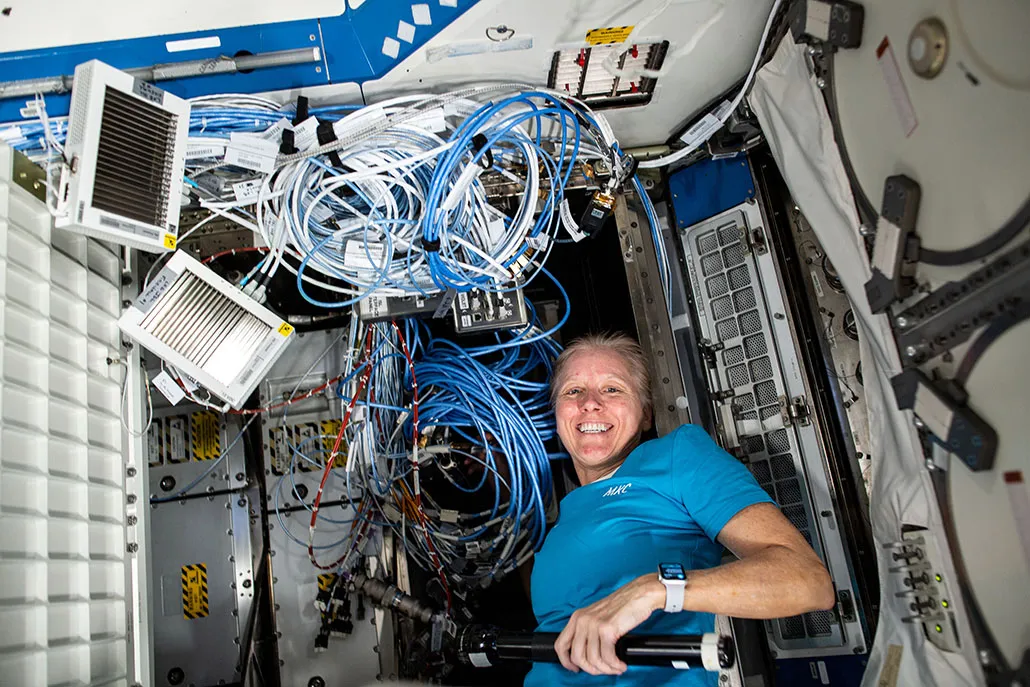
Living in space means living in microgravity—a condition where the force pulling you downward is nearly zero. On the International Space Station (ISS), astronauts respond with giddy acrobatics that look fun at first but come with hidden physiological costs. When the body floats without the resistance of gravity, several critical systems suffer:
- Muscle atrophy: Without the constant downward pull that stresses muscles on Earth, astronauts’ muscles weaken even with vigorous exercise.
- Bone density loss: Bones lose mineral content in microgravity, increasing fracture risk over time.
- Fluid redistribution: Bodily fluids shift toward the head, often causing facial puffiness and pressure on the brain.
- Cardiovascular changes: The heart works less to pump blood against gravity, which can alter heart function and overall blood volume.
Although rigorous exercise regimes aboard the ISS mitigate these problems to some extent, they do not prevent all deleterious effects. Proponents of artificial gravity argue that simulating Earth‑like gravity could neutralize many of these physiological issues at their source rather than through palliative exercise and protective gear.
What Is Artificial Gravity? The Physics Behind the Concept
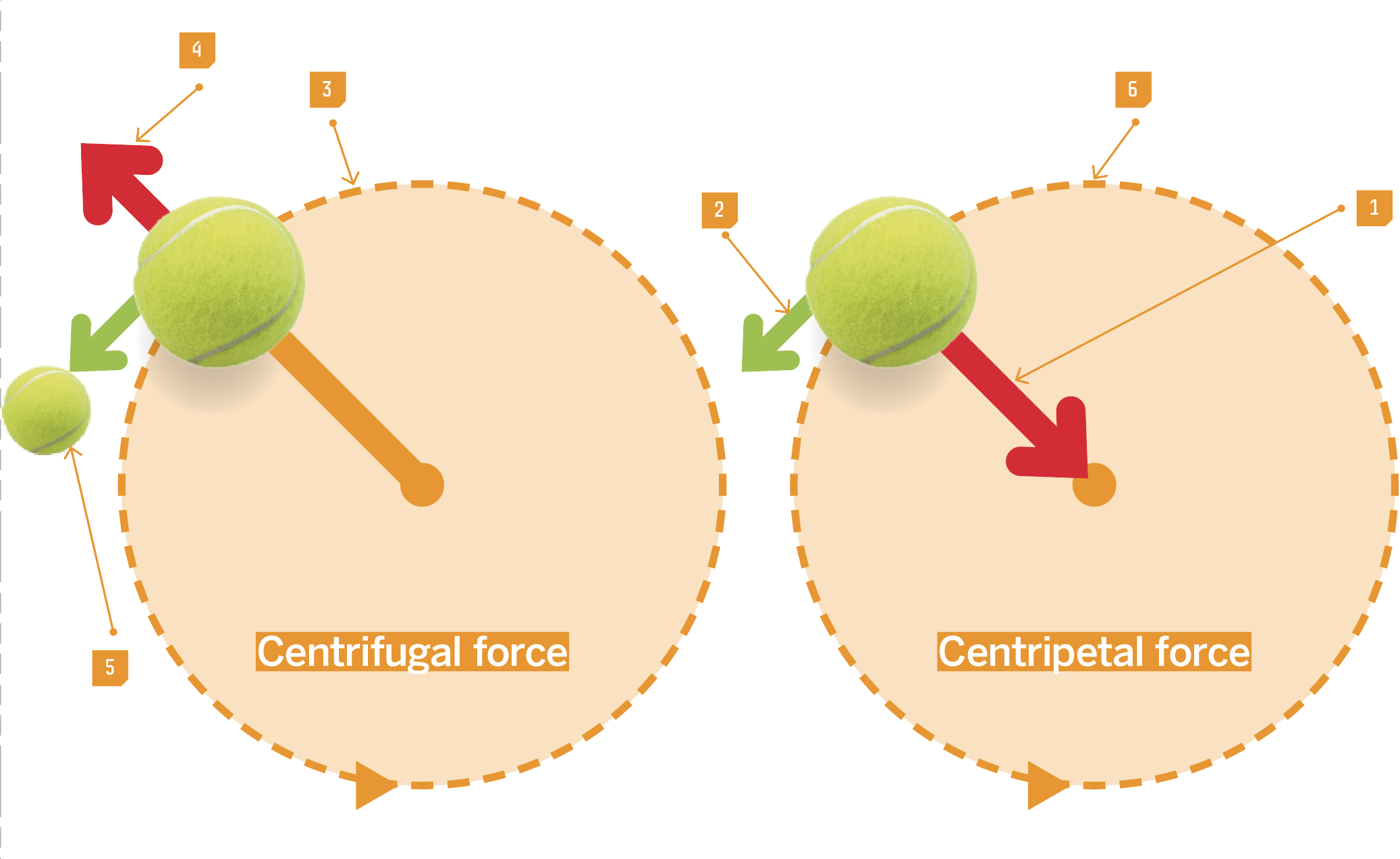
Artificial gravity doesn’t need to reinvent gravity—it only needs to mimic it. The simplest and most physically grounded way to do this is through centrifugal force: when a habitat or station rotates, occupants pressed against the outer wall experience an outward force that feels like gravity.
This phenomenon is similar to what you feel on a spinning amusement park ride: the faster and larger the rotation, the stronger the perceived downforce. Technically, the sensation isn’t gravity in the pure sense, but the effect on the human body can be nearly indistinguishable from the real thing. Notably:
- A larger radius allows slower rotation to achieve the same effect.
- Too small a radius or too fast a rotation can induce dizziness and motion sickness due to Coriolis forces.
- The strength of artificial gravity can be tailored by adjusting rotation rate and radius.
This concept has appeared in science fiction for decades but is rooted in sound physics and serious engineering discussions.
Rotating Stations: Historic Concepts and Modern Visions

The idea of a rotating space habitat is not new. Engineer Gerard O’Neill and others proposed giant wheel‑like habitats in the 20th century as part of visions for large human settlements in space. A classic early concept, the Stanford torus, envisioned a doughnut‑shaped station 1.8 kilometers in diameter, rotating once per minute to generate Earth‑like gravity on the inner surface.
Moving into the 21st century, a more ambitious hypothetical is the Bishop Ring, a colossal rotating habitat designed to spin and produce artificial gravity across an area comparable to a small nation.
However, these remain conceptual. The key question is how to bridge from designs on paper to real hardware in orbit.
Why We Haven’t Seen It Yet: Technical & Operational Hurdles
Even with clear motivation, there are significant reasons why the ISS and most current stations lack artificial gravity:
- Structural complexity: A rotating habitat must withstand centripetal stresses that a conventional station is not built for. Adding rotation to an existing design (like the ISS) would require extensive redesign, heavy reinforcements, and complex rotation joints.
- Docking complexity: A spinning station adds challenges for arriving and departing spacecraft, which typically rely on stable, predictable structures to secure a safe connection.
- Experiment conflicts: The ISS exists primarily as a microgravity laboratory. Rotational gravity would compromise or negate many ongoing experiments that depend on weightlessness.
- Human comfort constraints: Small radii can create rapid changes in perceived gravity between a person’s head and feet, leading to motion sickness due to the Coriolis effect. These factors limit how small a rotating station can practically be.
These technical obstacles help explain why current space stations avoid artificial gravity, even though the theory and desire for it are well recognized.
Emerging Players and Commercial Momentum
The space sector is no longer just government agencies. Commercial firms are entering the field with specific aims to revolutionize the way humans live in orbit. One notable example is Vast Space, a California‑based company developing commercial artificial gravity stations with rotational modules intended to support long‑term human habitation and mixed‑gravity environments.
In June 2024, ESA (European Space Agency) and Vast signed a memorandum of understanding aimed at fostering European involvement on future artificial gravity stations. This partnership reflects both commercial and governmental interest in building next‑generation orbital infrastructure that addresses human health and operational challenges in space.
Market analysts also see financial momentum. Reports project that the global artificial gravity systems market could grow significantly in the coming years, driven by investments in deep‑space missions, space tourism, and long‑duration habitation concepts.
The Health Dividend of Artificial Gravity
If future stations do succeed in generating artificial gravity, the most immediate and profound benefits are likely to be physiological:
- Reduced muscle atrophy and bone loss: Gravity would provide constant resistance that exercise alone cannot match in microgravity.
- Normalized fluid distribution: Gravity helps keep bodily fluids where they belong, preventing facial swelling and pressure issues.
- Cardiovascular stability: The heart would continue to work in a familiar environment, reducing the risk of deconditioning.
By preserving human health more effectively, artificial gravity could drastically reduce the time astronauts spend exercising daily and potentially improve mission productivity and well‑being.
Engineering Paths to Artificial Gravity
Several main engineering approaches are being explored:
- Station‑wide rotation: Entire habitat rotates to create broad artificial gravity. Requires large, robust structures and careful control of mass distribution.
- Centrifuge modules: Smaller rotating sections within a larger station that provide localized gravity. These can be less disruptive to overall station operations.
- Tether systems: Two modules connected by a long tether that spin around their mutual center of mass to produce gravity on either end. While theoretically possible, tethers introduce complex dynamics and control challenges.
Each approach balances complexity, cost, comfort, and mission goals. Whether one type becomes dominant depends on future research, experimentation, and early deployment results.
Will Artificial Gravity Become Standard?
So, will artificial gravity become standard on future stations? The answer isn’t a simple yes or no—but rather a conditional “almost certainly in some form.” Here’s why:
1. Deep‑space missions require it for health.
As missions extend to Mars, asteroids, or lunar bases, the health toll of extended microgravity becomes harder to ignore. Artificial gravity could be the most effective countermeasure we have.
2. Commercial and public sectors are investing.
Companies like Vast Space, backed by partnerships such as ESA‑Vast cooperation, show that both government and private sectors are committed to making rotating stations a reality.
3. Engineering knowledge is growing.
Past studies and future research—ranging from historical designs like the Stanford torus to modern computational models on rotating habitats and comfort considerations—are steadily demystifying the challenges.
4. Economic incentives are aligning.
As space tourism and commercial orbital facilities become more economically viable, features that enhance comfort and mission longevity—like artificial gravity—will become attractive, if not essential.
Yet, the exact timeline is uncertain. It depends on how quickly we can resolve engineering challenges, standardize designs, prove long‑term safety, and build political will and financial backing for large orbital platforms.
What It Means for the Future of Humanity in Space
Artificial gravity isn’t just a technical add‑on—it could redefine how humans live and work beyond Earth. It would help us transition from short stays to long‑term habitation, from explorers to settlers. It might be the line that separates transient presence from sustained life off the planet.
When the first artificial gravity station becomes operational—likely within the next few decades—it will mark a profound shift in our relationship with space: from a place where we endure the lack of gravity to one where we shape gravitational environments to suit human life.