








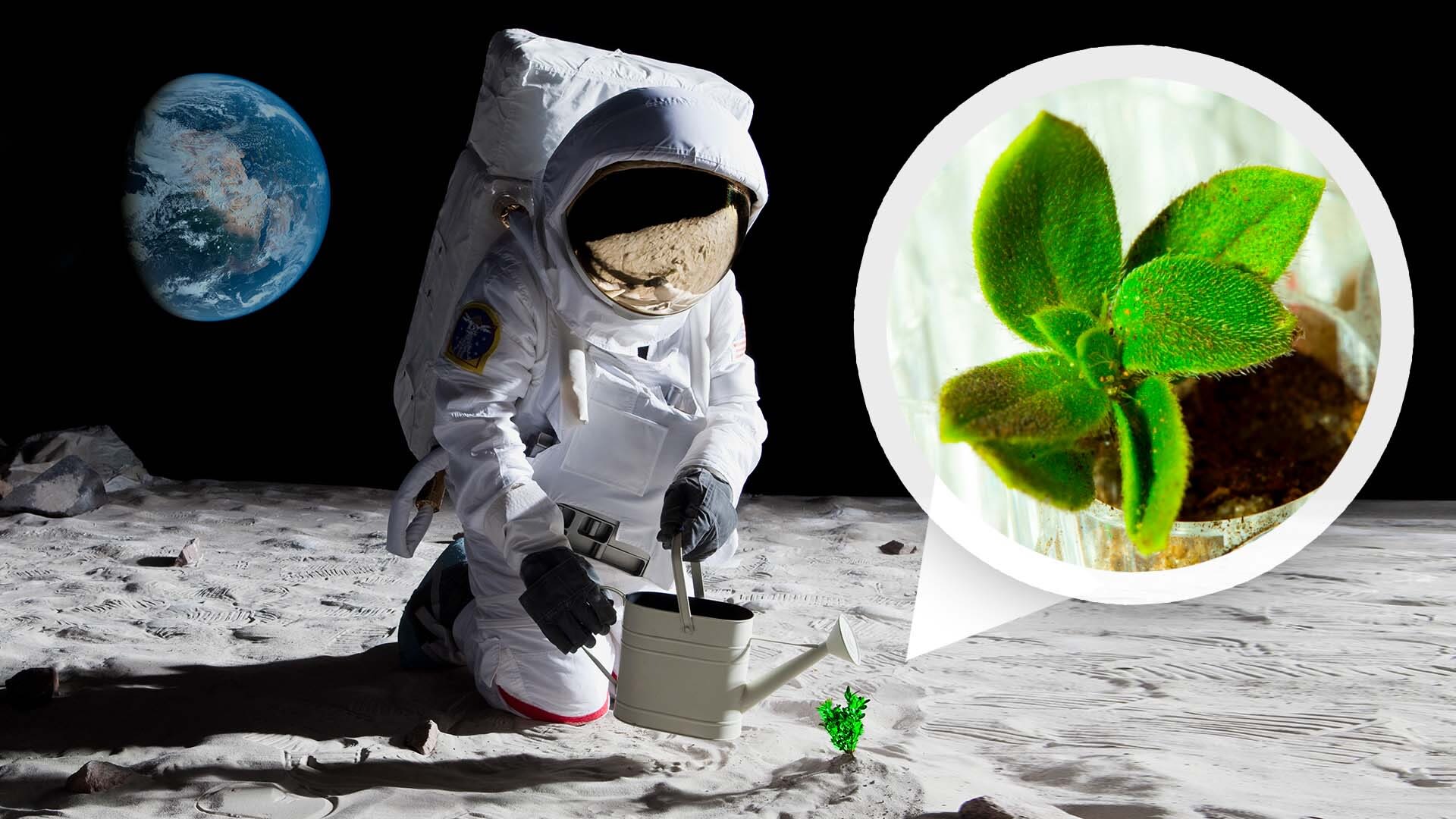

Growing plants in space sounds like a poetic image from science fiction: lush green vines spilling out of a biodome perched on a rocky asteroid drifting between Mars and Jupiter. But this dream isn’t just fiction anymore — scientists are actively exploring whether plants can indeed sprout and thrive beyond Earth’s comforting gravity and fertile soils. The idea pushes the boundaries of biology, physics, and engineering, marrying futuristic space exploration with the fundamental need for food, oxygen, and sustainable life support for humans as we venture farther into the cosmos. In this article, we’ll dig deep (pun intended) into what it truly takes to grow plants on an asteroid — the challenges, the breakthroughs, and the exciting prospects that lie ahead.
Why Grow Plants in Space?
Plants are more than just food producers. On Earth, they do the heavy lifting of converting light into energy, recycling carbon dioxide into oxygen, and cycling water through transpiration and condensation. In space, these processes become invaluable. For long-duration missions — whether to Mars, an asteroid, or beyond — astronauts will likely need crops to supplement prepackaged food, recycle air and water, and even provide psychological comfort. Studies have shown that crew members find caring for plants therapeutic, offering a slice of Earth in the sterile expanse of space.
So, if we want humans to boldly go where no one has gone before for weeks, months, or even years, mastering space agriculture isn’t optional — it’s essential.
What Makes Asteroids Interesting for Agriculture?
At first glance, asteroids may not seem like inviting environments for plant life. These rocky bodies lack atmospheres, have near‑zero gravity, and are bombarded by cosmic radiation. But recent studies have piqued scientific interest in asteroid “soil,” known as regolith.
Carbonaceous chondrite asteroids — a type of primitive, carbon‑rich asteroid — have been identified as potentially containing some key ingredients that crops need: water, nitrogen, potassium, phosphorus, and organic compounds. These are nutrients that Earth plants crave in fertile soil. In experimental settings using simulants (artificial materials created to mimic asteroid regolith), researchers have actually grown lettuce, radishes, and chili peppers when mixed with a secondary medium like peat moss.
The takeaway? Certain asteroid materials might be coaxed into supporting plant growth, though not in pure form and not without human ingenuity.
The Core Challenges of Growing Plants on an Asteroid
Despite promising clues, turning an asteroid into a garden faces formidable obstacles. Let’s break them down.
1. No Atmosphere, No Protection
On Earth, plants rely on a stable environment: breathable air, moderate temperatures, and protection from radiation. Asteroids offer none of these. They are airless rocks in space, with surface temperatures swinging wildly and cosmic rays zapping everything in sight. Any plant cultivation effort must recreate a protective environment — possibly a pressurized dome or greenhouse with controlled heat, light, and air composition.
2. Zero or Microgravity

Gravity on most asteroids is so weak that objects barely “stick” to the surface. Roots on Earth grow downward because of gravity; shoots grow up. In microgravity, this orientation system doesn’t work — plants become confused, and nutrient, water, and gas flows behave differently. In microgravity experiments aboard the International Space Station (ISS), researchers had to innovate ways to deliver water and nutrients without relying on gravity.
So, future asteroid farms will need engineered systems to anchor roots and deliver life‑sustaining resources.
3. Water Is a Priceless Commodity
Water is essential for plant growth, yet it’s scarce on small bodies like asteroids. Some carbonaceous asteroids show signs of hydrated minerals — suggesting water in some form — but accessing it requires mining technology and energy. Efficient recycling systems and water delivery methods are also necessary, especially since water in vacuum conditions can vaporize instantly.
4. Regolith Isn’t Soil — Yet
Asteroid regolith may hold nutrients, but it’s not soil in the Earthly sense. When used alone, it’s often too compacted and too poorly structured to let air or water reach plant roots. Experiments using simulated asteroid regolith mixed with organic material like peat moss have shown that plants can sprout — but only under Earth‑like conditions with atmospheric gases and water supplied artificially.
To make regolith truly viable, future systems might pre‑treat it — perhaps with organic composting or biological agents like fungi — to improve aeration, water retention, and nutrient availability. Early research suggests that fungi could help break down tough minerals into more plant‑friendly soils, although this work is still in its infancy.
How Might We Engineer Asteroid Agriculture?
So, growing plants directly on raw asteroid rock isn’t feasible yet. But with clever engineering and biological insight, it isn’t science fiction either.
Sealed Habitats: The First Step
One clear solution is to build enclosed habitats — greenhouses — on or near the asteroid surface. These could:
- Maintain air pressure and composition for plant respiration.
- Provide temperature control and radiation shielding.
- Deliver water and nutrients via controlled irrigation and hydroponic systems.

In microgravity, hydroponic and aeroponic growth systems, which circulate nutrient‑rich water past plant roots without soil, have shown promise aboard the ISS and are likely to be essential tools for asteroid agriculture.
Regolith Amendment and Soil Engineering
Instead of using pure regolith, future farms might mix asteroid regolith with organic matter transported from Earth or generated on site (like recycled plant waste), creating engineered soil with the right texture and nutrient profile.
Another imaginative approach involves using microbes or fungi to transform raw regolith into fertile ground. Just as composting organisms break down waste into nutrient‑rich soil on Earth, these biological partners could be key to terraforming asteroid gardens.
Selecting the Right Plants
Not all plants are created equal in space. Leafy greens with short growth cycles (like lettuce) are ideal for early systems, providing quick food and oxygen. Crop researchers also look at stress‑resilient plants with compact root systems and low water needs. Genetic engineering might create even more space‑tolerant plant varieties in the future.
Lessons from Space Gardening Today
We already grow plants in space — albeit in controlled environments, not asteroid fields. NASA has experimented extensively aboard the ISS using systems like Veggie and the Advanced Plant Habitat. These systems allow astronauts to grow leafy vegetables and study plant health in microgravity.
These trials reveal that plants can grow outside Earth, but the environment must be carefully tailored: light (often provided by LEDs), nutrient delivery, and water control are all vital. Observations also suggest microgravity affects plant physiology, from root orientation to pathogen resistance.
Every experiment brings us closer to understanding what cubes of leafy greens might look like floating in the greenhouse on a distant asteroid someday.
The Future of Space Agriculture
So, can we grow plants on an asteroid? The short answer is: not yet — but science is building the tools and knowledge we need to get there.
Researchers have already shown that simulated asteroid soil can support crop plants when mixed with Earth‑like materials and provided Earth‑like atmospheric conditions. The next frontier is engineering controlled environments and soil analogs that make this possible in space itself, integrating biological life‑support systems with habitat design. This isn’t just about food; it’s about sustainability, self‑sufficiency, and the psychological well‑being of spacefarers.
In the decades ahead, combining space mining, habitat engineering, and biology could make asteroid agriculture a reality. What once was futuristic science fiction might soon be standard practice on interplanetary outposts. As we push the boundaries of where life can thrive, asteroids — once barren rocks — could become floating gardens in the solar system.