









Every year, millions of Apple device owners eagerly anticipate the next big iOS release — and every year there’s a familiar ritual: Apple releases developer betas, then public betas, and eventually the final version. For enthusiasts and developers alike, beta software is both a preview and a promise — a peek at new ideas before they become available to everyone. But there’s a persistent question on the minds of testers and professional reviewers alike: Is iOS Beta actually breaking more than it fixes?
This article takes a deep, balanced look at the evolution, challenges, and real impact of iOS beta builds — especially focusing on recent cycles like iOS 26 and the current iOS 26.3 public beta. We’ll explore whether betas are more of a troubleshooting nightmare than a path to stability, and whether Apple’s investment in these early releases delivers the improvements users expect.
What Exactly is an iOS Beta — and Why Does It Matter?
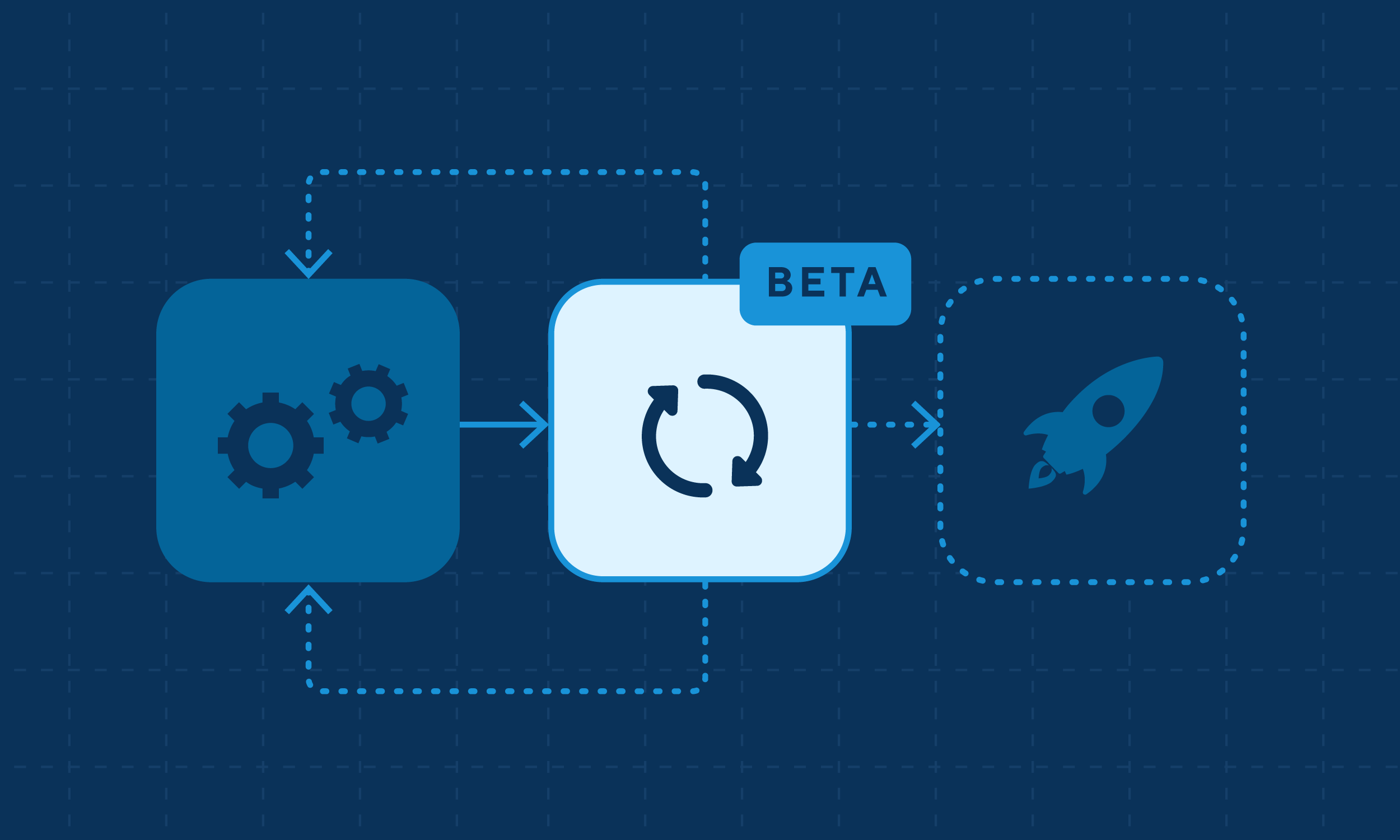
iOS beta versions are pre-release builds of Apple’s mobile operating system. They’re distributed first to registered developers — hence the term “developer beta” — and later to a broader group of users via Apple’s public beta program. These pre-release builds allow Apple to:
- Test incomplete features in real-world scenarios
- Gather feedback from developers and early adopters
- Find and fix bugs before the final public release
Apple’s official documentation encourages testers to submit issues using the Feedback Assistant app or the Apple bug reporter website, because real feedback is a crucial datum for engineers working on the final OS version.
However, betas have a wide reputation for being unstable, leading many users to ask: are these early releases actually hurting the overall quality of iOS more than helping it?
The Case for iOS Betas: Why They Exist
At their best, iOS betas serve three vital purposes:
1. Real-World Testing Unavailable in Apple Labs
Apple’s internal testing teams can simulate only so much. Developer and public beta testing exposes the software to a much greater diversity of devices, usage patterns, and network environments. Critical issues that Apple didn’t encounter internally often surface quickly once a beta is in the hands of third-party testers.
2. Early Feedback for Feature Refinement
Feedback is the lifeblood of beta testing. Well-reported issues can be reproduced and fixed in later builds, and in some cases even inform design shifts or API changes that benefit developers.
3. Helping Developers Prepare Their Apps
App developers rely on betas to ensure their apps work with upcoming changes. Without that early access, there’s a greater risk that major app functionality will break when the public release rolls out.
These are important goals — but they come with equally important costs.
Why Some Think iOS Betas Break More Than They Fix
Despite their intended benefits, iOS betas often feel buggy, unfinished, or just plain frustrating to testers. Here are the main reasons why some users believe betas introduce more problems than they solve:
1. Early Betas Are Inherently Buggy
By design, the first developer beta for any iOS release is one of the least stable iterations. It often contains partially complete features, missing performance optimizations, and rough edges that haven’t been smoothed out yet.
Reddit communities and user voices echo this sentiment. One thread described long-running glitches that persisted for months, with some users reporting that bugs remained unaddressed even in late public betas like 26.3.
2. Some Bugs Take Longer to Fix Than Expected
Even as beta builds iterate, certain problems — like battery drain or network hiccups — can persist across multiple versions. A recent beta (iOS 26.2 Beta 2) had reports of faster battery reduction, app crashes, Wi-Fi or Bluetooth disconnections, and minor UI glitches — classic symptoms of unfinished system changes.
This friction can make testers wonder whether the beta fixes anything at all, especially when it seemingly introduces its own set of issues along the way.
3. Beta Feedback Isn’t Always Enough
Apple depends on bug reports filed through the Feedback Assistant for actionable data. But practical experience shows that:
- Many testers don’t report issues
- Reports sometimes lack detail or reproducibility
- Apple engineers may not act on every submission
This means fixes don’t always arrive within the expected timeframe — leaving some bugs to linger longer than testers would like.
4. Developer vs. Public Beta Expectations
Developer betas are more experimental and unstable by design, while public betas are supposed to be closer to production quality. Yet many testers blur these lines, installing developer builds on daily devices — and then assuming the beta should be stable when it clearly isn’t.
This mismatch in expectations often fuels the perception that betas are “breaking” more than they fix.
What the Data Says: Stability and Quality Metrics
While web forums and user feedback give much of the color commentary on beta experiences, there is also data pointing toward broader trends:
A proprietary analysis by unitQ of more than 640,000 app reviews across thousands of apps found that following the launch of iOS 26, quality issues increased modestly by just 2.8% — a far smaller jump than seen in earlier major releases like iOS 16 or iOS 17.
That suggests that, historically at least, quality control may be improving year over year — even if individual beta builds still feel shaky. The dataset also highlighted recurring themes in reported issues such as crashes, slow performance, and missing notifications — issues developers and Apple alike work to correct before wider release.
The Psychology of Beta Expectations
Part of what drives the perception that iOS betas are “breaking everything” comes down to expectation bias.
For many users, installing a beta is an emotional choice — a sense of exploration, excitement and curiosity. When things go wrong, the difference between expectation and reality feels larger because:
- Bugs contrast more sharply with anticipation of new features
- Daily productivity and routines get disrupted
- Feedback may feel like it isn’t being acknowledged or acted upon
This human element plays a key role in how betas are experienced — and it’s often overlooked in purely technical discussions.
The Balance: Are Betas Fundamentally Valuable or Fundamentally Flawed?
When you strip away subjective frustration, the core answer is yes — iOS betas have problems, but they do not unequivocally break more than they fix in the long run. They are a crucial part of Apple’s development cycle, helping the company identify and resolve issues that would otherwise reach a much wider audience after general release.
The key points are:
- Early betas are rough, and should not be treated as stable software — that’s simply not their purpose.
- Beta builds get better over time, with subsequent betas typically addressing major crashes, performance issues, and UX concerns.
- The final release candidate is almost always more stable, showing that the beta phase fulfills its purpose of identifying and fixing problems.
- Feedback quality matters — the more detailed and reproducible the reports, the quicker Apple can address issues.
In other words, the apparent “breaking” is mostly the intentional exposure of bugs so they can be fixed before millions of users encounter them after launch.
Best Practices for Beta Testers
If you do choose to install iOS betas — whether developer or public — here are some practical strategies to make the experience as positive as possible:
1. Use a Secondary Device
Install betas on a test device, not your primary phone. This avoids productivity disruptions and protects important data.
2. Backup Regularly
Before installing a beta, take a full device backup. If the beta goes poorly, you can revert safely.
3. Report Bugs Carefully
Use Apple’s Feedback Assistant or the official bug reporter to submit issues with clear reproducible steps. That increases the likelihood Apple will act on your report.
4. Understand the Beta Lifecycle
Early betas are experimental. Expect instability. Later betas near public release are much closer to finished quality.
5. Manage Expectations
Treat betas as experiments, not final software. When bugs occur — and they will — see them as an opportunity to help refine the future final release.
Conclusion: Beta — Breaking or Building?
So, is iOS Beta actually breaking more than it fixes? The short answer is no. Beta versions do introduce bugs — that’s part of what they are. But that’s how Apple engineers discover latent issues and fix them before the final release.
Betas are an imperfect but indispensable part of modern software development. They do break things along the way — but they also fix a tremendous number of latent issues that would otherwise impede the experience of millions of users. With thoughtful participation and clear feedback, betas refine iOS into a more stable, performant, and polished operating system.
In the broader analysis, betas don’t break more than they fix — they merely show us what was already broken underneath the surface so it can be made right.