










Early Access is one of the most debated concepts in modern software and game development. It promises a window into the future — letting players and users step into a product before it is officially complete — but also opens that product up to criticism, scrutiny, and sometimes outright backlash. Does releasing early help developers discover hidden potential they might never have seen? Or does it merely expose bugs that were best kept behind closed doors until a polished release? In this article we explore both sides — with technical insights, professional analysis, and fascinating real-world examples — to help you understand how and why Early Access can both elevate and imperil a project.
To set the stage, Early Access refers to a publishing model where a product (typically a game, but increasingly also apps and tools) is made available to the public in a pre-release state — often still in development, incomplete, and subject to frequent change. Rather than waiting for the official launch, interested users gain access to a working version of the product and, crucially, can contribute feedback that shapes the direction of the project.
The Big Gambit: Why Developers Choose Early Access
At its heart, Early Access is about trade-offs.
Developers choose Early Access for reasons that include:
1. Real-world Testing at Scale
No internal QA team — no matter how well-funded — can replicate the diversity and real-world usage patterns of a large player community. When a product hits Early Access, it’s subjected to a wide variety of systems, configurations, playstyles, and behaviors that simply aren’t possible in controlled testing environments. This means developers can discover bugs and issues that would have otherwise stayed hidden.
2. Community-Driven Development
More than just bug reports, Early Access fosters an active feedback loop between users and creators. Players not only report problems, they also suggest improvements, push back on bad design choices, and help refine features in ways that internal teams may never have thought of. It’s a co-creative process that invites end-users into the product’s evolution.
3. Funding and Financial Support
Especially for independent developers or smaller studios, Early Access can provide crucial revenue early in development. Sales during this phase may fund ongoing work, help hire additional talent, or simply keep the lights on. For some studios, this is the difference between finishing and abandoning a project.
4. Marketing, Community, and Word of Mouth
An Early Access release can spark buzz. Gamers often share their experiences, stream gameplay, and attract attention on social platforms — generating organic marketing that developers would otherwise have to pay for. This early engagement can help launch a product into a larger spotlight by the time it reaches full release.
In essence, Early Access is not just about releasing early — it’s about engaging early. It is a shift from hidden development to transparent collaboration. But like any strategy, it carries risks.
The Bug Unveiling Machine: How Early Access Reveals Flaws
One of the most common criticisms of Early Access is that it exposes bugs — often in stark, public ways.
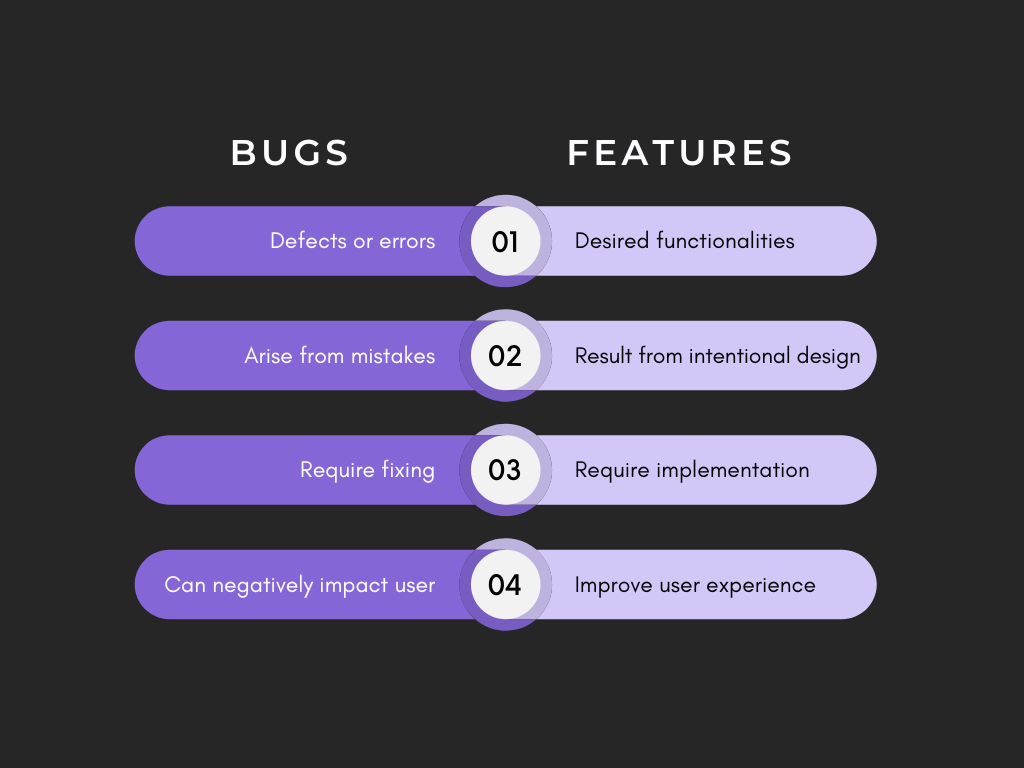
Because Early Access releases are deliberately unfinished, users should expect instability, missing features, and performance issues. Some games are launched in very early states where bugs are not just cosmetic but game-breaking, leading to frustration and negative reactions. In some documented cases, players have encountered serious technical problems such as crashes and broken systems that interrupt gameplay.
Indeed, this early instability can overshadow the potential of the product if users’ first impressions are dominated by flaws rather than fun or innovation.
A key factor here is that Early Access puts users in the product before developers have finished smoothing out rough edges — which is exactly the point, but also exactly why bugs become more visible and more talked about. Crucially, players experiencing these issues often leave feedback — sometimes constructive, sometimes hostile — which developers must sift through in order to prioritize fixes and direction.
Hidden Potential: What Early Access Can Reveal Beyond Bugs
While bugs are often the headline, Early Access can also expose latent strengths and untapped potential early on.
1. Unexpected User Behavior and Creativity
Users often interact with a product in ways developers never anticipated. These interactions can reveal new modes of play, alternative use cases, and emergent behaviors that developers can nurture into full features. In effect, players become co-designers, guiding the evolution of the product toward something more authentic and exciting.
2. Real-world Validation of Core Concepts
Many products look great on paper but falter only when exposed to real market conditions. Early Access lets developers test their core ideas before full release — helping them validate whether their vision resonates or needs adjustment. A positive response can confirm that the product has genuine potential, while a tepid reception can redirect effort before too much is invested.
3. Iteration Based on Accurate Feedback
Unlike closed testing where feedback comes from a small, potentially biased group, Early Access feedback is broad, diverse, and often brutally honest. Developers can use this to iterate quickly — refining mechanics, improving balance, and enhancing user experience in ways that internal tests rarely capture.
4. Building a Loyal Community
By letting users in early, developers build ownership among supporters. These early adopters feel invested — not just in the product’s outcome but in the process. This bond can sustain a product over the long term, fostering advocacy and a community that sticks even after full release.
In these ways, Early Access doesn’t just reveal what’s broken — it reveals what works, what resonates, and what could become truly remarkable.
The Reputation Risk: When Early Access Backfires
No strategy is without downsides — and Early Access carries notable risks.
1. First Impressions Can Be Lasting
When a product enters Early Access in a rough state, those first impressions matter. Users often judge based on what they experience in the early phase, and negative early reviews can follow a product for years. Some observers argue that Early Access can harm a brand if its early state is perceived as unfinished or poorly executed.
2. Managing Expectations Is Challenging
Users may form expectations that the developers cannot realistically meet. When players expect a finished, feature-complete experience and encounter bugs instead, frustration can turn into backlash. Balancing user expectations with the reality of ongoing development requires skillful communication.
3. Risk of Abandonment or Eternal Beta
Some Early Access projects never reach a full release. This “eternal beta” can erode trust and diminish the community’s patience over time. In many cases documented by industry observers, only a minority of Early Access titles ever reach a completed version, leaving players stuck in limbo or developers struggling to finish what they started.
4. Resource Diversion and Burnout
Supporting an Early Access project can demand time, community management, and ongoing updates — resources that might otherwise be used to push core development forward. The pressure to constantly respond can stretch teams thin and even lead to burnout if not managed carefully.
In the worst cases, Early Access can feel less like a collaborative experiment and more like an unfinished product abandoned halfway through.
Strategies for Success in Early Access
Given this complex landscape, how can developers harness the benefits of Early Access while minimizing pitfalls?
Transparent Roadmaps: Communicate clearly with users about what is planned, what is under development, and what is not yet ready. Setting realistic expectations is essential.
Structured Feedback Loops: Organize channels for feedback, triage issues effectively, and respond to users promptly — making them feel heard and valued.
Milestones and Updates: Regular updates that achieve measurable milestones demonstrate progress and keep the community engaged.
Quality Thresholds: Even in Early Access, having baseline quality checks before major releases prevents the worst kinds of bugs from going public.
By combining strong communication with disciplined development practices, Early Access can be a powerful engine for refinement rather than a trap of endless exposure.
The Verdict: Bugs or Potential?
Ultimately, Early Access reveals both bugs and hidden potential — and which one dominates depends on how it is executed.
If a product enters Early Access unprepared, poorly communicated, and without a plan for iteration, it may indeed reveal more bugs than promise. This can lead to lost trust and disillusionment among early adopters.
But done right, Early Access can surface opportunities developers never would have found on their own. It can validate core ideas, cultivate an invested community, uncover creative emergent use cases, and refine a product into something better than originally imagined.
In other words, Early Access is not inherently good or bad — it is a strategy. Its outcome depends on execution, communication, feedback management, and the willingness of the development team to adapt and grow.