








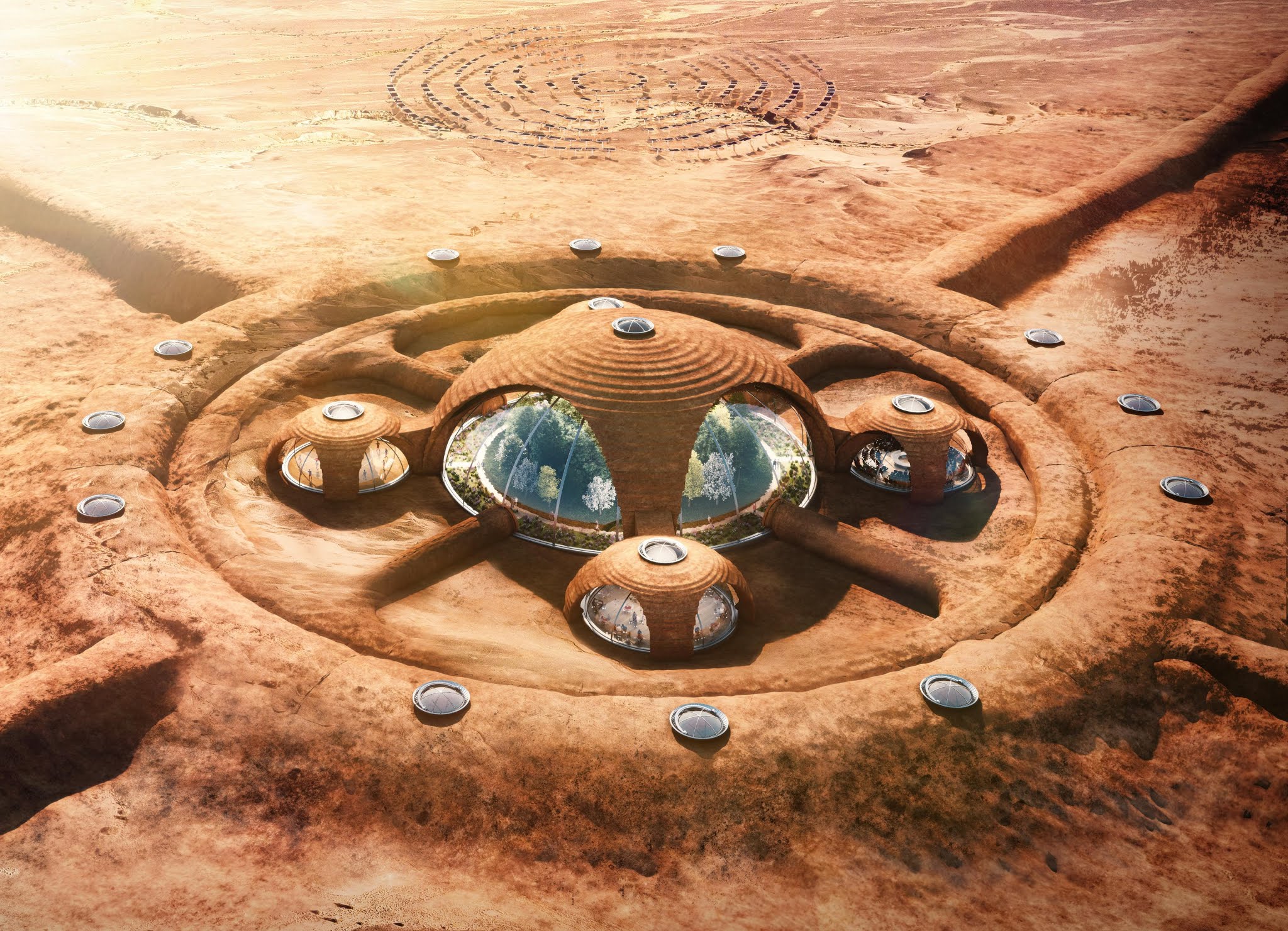

Humanity’s fascination with Mars stretches from ancient astronomy to modern rocket science. In recent decades, Mars has evolved from a distant red dot to a destination—a potential new home for our species. But is Mars colonization really possible, or is it a seductive myth rooted in science fiction rather than science reality? The answer lies at the intersection of physics, engineering, human biology, psychology, economics, and even ethics. This article dives deep into the most current research, tangible technology strategies, ongoing experiments, and lingering questions surrounding the real feasibility of establishing permanent human presence on Mars. Along the way, we’ll explore how far we are, what we still must achieve, and what this bold vision might look like if humanity ever gets there.
1. The Allure of Mars
Mars captures our imagination because it is the most Earth‑like planet in the solar system. While its environment is undeniably hostile, Mars has seasons, polar ice, a 24.6‑hour day, and evidence of water in its past and present. These features make it far more attractive for human settlement than any other location beyond Earth.
Mars sits at an average distance of about 225 million kilometers from Earth, and even at its closest approach it is tens of millions of kilometers away. These distances, while immense, are nothing compared to interstellar space and are within reach of modern propulsion technology. These facts have stoked both scientific curiosity and philosophical debate: should humanity remain a single‑planet species or expand its footprint in the cosmos? Current advocates argue that colonizing Mars could serve as both insurance policy for humanity’s survival and a catalyst for technological leaps that benefit civilization as a whole.
Yet mere desire is not enough to achieve settlement. Understanding the barriers Mars presents is essential.
2. The Brutal Martian Environment
Mars’ environment is a gauntlet of conditions that make survival without technological support impossible.
Atmosphere and Lack of Oxygen
Mars has an extremely thin atmosphere composed mostly of carbon dioxide. This atmosphere is less than one percent as dense as Earth’s, meaning humans cannot breathe on Mars, and surface pressure is far too low to support liquid water outside pressurized habitats. The tiny fraction of oxygen in the Martian atmosphere (roughly 0.13 percent) is insufficient for human physiology without active conversion and life support systems. These realities force every colony concept to begin with engineered breathing environments and closed ecosystems.
Extreme Temperatures and Radiation
Surface temperatures average around minus sixty degrees Celsius (minus eighty degrees Fahrenheit) and fluctuate dramatically between day and night. Furthermore, Mars lacks a protective magnetic field and dense atmosphere, exposing its surface to cosmic and solar radiation at levels far above those on Earth. Long‑term radiation exposure increases the risk of cancer and other serious health issues. Effective radiation shielding — whether through built structures, underground habitats, or regolith covers — is one of the foremost engineering challenges for any potential colony.
Dust Storms and Atmospheric Hazards
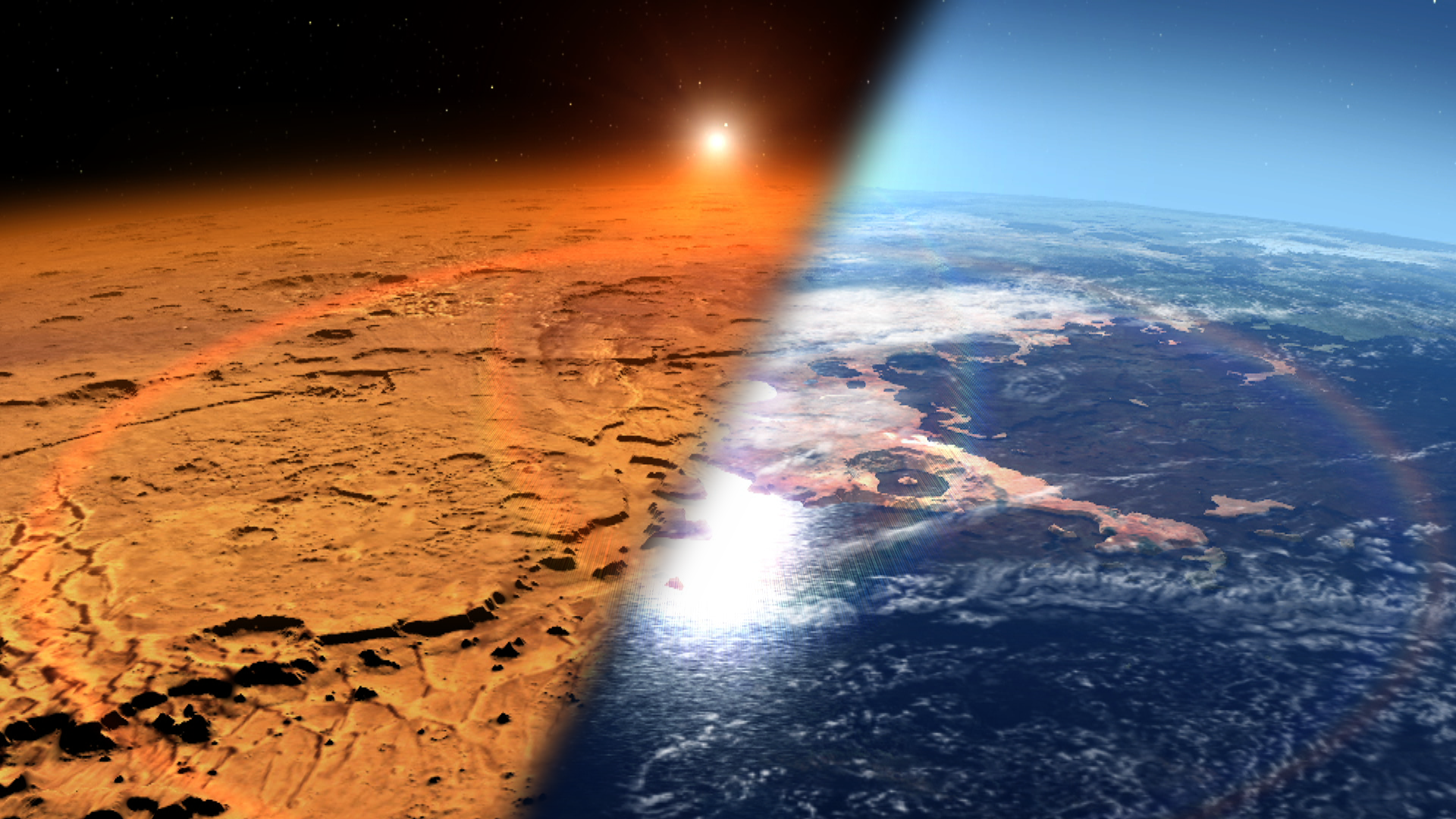
Mars is famous for its planet‑wide dust storms, which can last weeks and block sunlight. These storms interfere with solar power generation and pose hazards for machinery and habitat integrity. This variability drives the design of mixed energy systems and backup power solutions.
In sum, Mars offers no natural safety net for human life. Every essential condition — air, water, heat, and radiation protection — must be manufactured on site.
3. Surviving the Long Journey
Reaching Mars itself is a major technological and physiological hurdle. A one‑way trip with current propulsion systems takes approximately six to nine months. During this time, astronauts are subjected to microgravity, increasing the risk of bone loss, muscle atrophy, and fluid redistribution in the body. Radiation exposure en route remains a significant concern for long‑term health.
To shorten travel time and reduce risk, researchers are exploring advanced propulsion technologies, including nuclear thermal and nuclear electric systems that could cut travel time and improve efficiency. Even so, every mission must carefully balance speed, safety, energy, and cost. The reality remains that the trip itself is a marathon, not a sprint.
Beyond the physical journey, psychological challenges loom large. The extended isolation, limited communication with Earth (with delays of up to twenty minutes each way), and confined living spaces will test human resilience in unprecedented ways. Preparing crews with psychological screening, training, and robust support structures is as important as developing rocket engines.
4. Building Life Support on Mars
Once on Mars, colonists must rely on sophisticated life support technologies.
Water and Oxygen
Mars harbors water ice at its poles and possibly underground. Extracting and purifying this water is crucial for survival. Oxygen can be produced through electrolysis of water or extraction from the regolith. NASA has already tested technologies like the Mars Oxygen In‑Situ Resource Utilization Experiment (MOXIE), which successfully produced oxygen from carbon dioxide in the Martian atmosphere during robotic missions. These early demonstrations show the promise of local resource use but also underline the continuing engineering challenge of scaling up these systems for human use.
Food Production
Mars has no natural ecosystem to grow food. Colonists will need to depend on either pre‑grown supplies from Earth or locally produced food using hydroponic or aeroponic systems. These soil‑less agriculture techniques allow plants to grow with nutrient solutions instead of soil. Martian soil itself is considered toxic for direct farming due to perchlorates, so controlled environments are essential. Artificial lighting or genetic adaptations designed to cope with lower sunlight could also play a role.
Recycling and Waste Systems
Maintaining a closed ecological life support system is crucial. Every drop of water and every molecule of oxygen will need to be recycled. Organic waste management, water reclamation, and air purification must operate in a closed loop to reduce dependency on Earth. Emerging research focuses on biological recycling methods and integrated systems that convert human waste into water, fertilizer, and energy.
5. Energy: Powering a New World
Mars receives less solar energy than Earth because of its greater distance from the Sun. Dust storms further diminish sunlight availability, making solar power less reliable as a sole energy source.
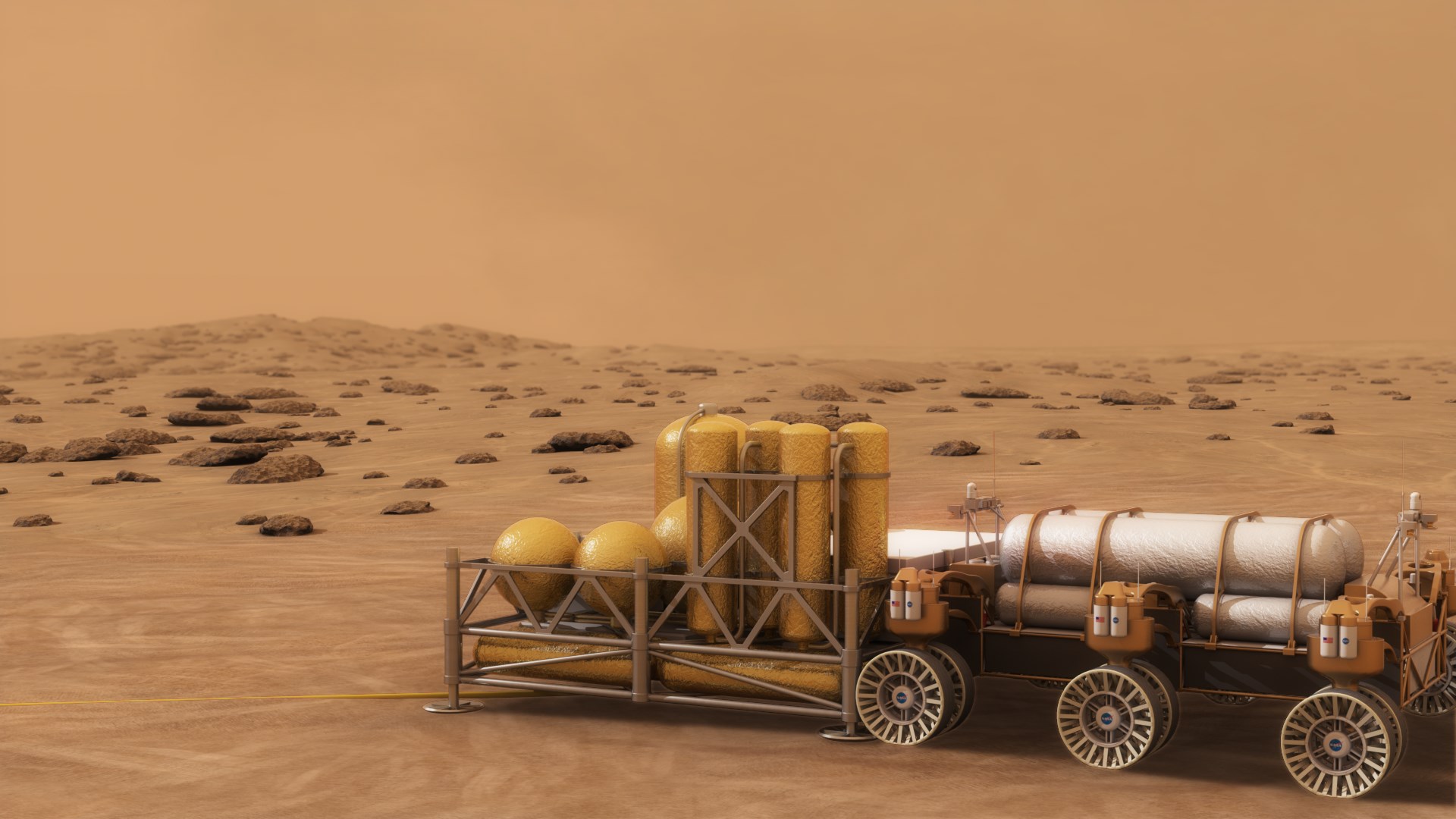
Energy planners therefore propose hybrid solutions that combine solar power with nuclear reactors. Small modular nuclear systems have become a leading candidate for consistent, resilient energy generation on Mars. These reactors could power habitats, life support systems, manufacturing plants, and transportation networks — all essential for a long‑term settlement.
Other energy innovations include potential use of wind turbines optimized for low atmospheric pressure or leveraging regolith itself as part of thermal storage systems. Regardless of the method, reliable power is foundational for a self‑sustaining colony.
6. Social and Psychological Dynamics
The human mind may be as great an obstacle as the Martian environment. Long durations isolated from Earth, confined living spaces, and dependency on complex machinery create a pressure cooker environment.
Studies in analog habitats on Earth — such as the Hawaii Space Exploration Analog and Simulation (HI‑SEAS) and the Mars Desert Research Station — help scientists understand how crews cope with isolation, stress, and routine under Mars‑like conditions. These missions reveal not just technical needs but social dynamics, teamwork demands, and psychological strains that help inform future mission design.
Researchers argue that successful Martian society will require robust psychological support, strong community building, and careful selection of team members with complementary personalities and resilience profiles.
7. Economics, Politics, and Ethics
Colonization is not just a scientific challenge — it is an economic and political one. Building Mars infrastructure will require massive investment, global cooperation, and sustained commitment over decades. Some critics contend that it may require resources far exceeding the current global GDP to create a truly self‑sufficient colony. Others argue that prioritizing Earth’s environmental and social challenges should take precedence over interplanetary expansion.
Ethical discussions also arise around planetary protection: ensuring humans do not contaminate Mars with Earth microbes and disrupt potential native Martian ecosystems. Developing rules for equitable access to space resources, governance structures for off‑Earth societies, and legal frameworks for interplanetary interactions remain unresolved but necessary conversations.
8. The Path Forward: What’s Realistic?
Based on current research and technological progress, here is a rough framing of what the future might hold:
- 2030s: Robotic missions continue exploring Mars and testing life support technologies. First crewed missions may attempt short stays on Mars.
- 2040s–2050s: Technologies for in‑situ resource utilization, energy generation, and habitat construction become more mature. Longer‑duration human missions could occur.
- 2050s onward: Expansion of Mars infrastructure could lead to semi‑permanent bases with progressively more self‑sufficiency.
Some visionary projections have proposed a million humans living on Mars, but this remains speculative and contingent on revolutionary advances in life support, propulsion, economics, and international cooperation. Current academic research emphasizes that substantial unknowns persist, and more breakthroughs are needed before large‑scale settlement can be more than a dream.
9. Conclusion
Is Mars colonization really possible? The short answer is yes, but with major caveats. Today’s technology can take humans to Mars, and the first steps toward settlement — like oxygen production and water extraction — are already being tested. However, true colonization that supports human life independently of Earth will require massive innovation, sustained investment, and close global collaboration.
Mars will not feel like home anytime soon. The environment is harsh, the risks high, and the unknowns numerous. Yet humanity’s drive to explore, adapt, and innovate could make what seems impossible today into the everyday reality of tomorrow.
Mars colonization’s feasibility is no longer a question of can we dream it but can we build it, sustain it, and live with it. With every scientific advance, what once was science fiction inches closer to scientific fact.