









In the world of software development, beta testing is both a rite of passage and a battlefield. It’s the phase where hopeful product launches meet real‑world users, and where ideal designs start confronting unpredictability. Among the many debates that swirl around beta testing, one question stands out with surprising tension:
Should all beta bugs be prioritized equally?
At first glance, the question sounds almost philosophical — a playful riff on equality and fairness. But beneath the semantic surface lies a serious, practical challenge that has profound implications for product quality, developer efficiency, and user trust. In this deep dive, we’ll explore why the answer is a clear no, and unpack the reasons with technical clarity, strategic nuance, and a bit of storytelling flair.
The Myth of Beta Bug Equality
Imagine you’ve just released a beta version of your app — let’s call it OceanicNotes, a sleek digital notebook promising cross‑device synchronization and AI‑powered summaries. Within minutes the bug reports start rolling in:
- A typo in the settings page label.
- A crash every time users paste a gif.
- A memory leak when exporting files larger than 50 MB.
- A weird alignment issue in the dark mode UI.
Should these all be treated with the same level of urgency?
If your instinct says yes, let’s pause and recalibrate. Treating all bugs equally — regardless of severity, impact, or reproducibility — is both inefficient and risky. In fact, in professional bug triage workflows, bugs are almost never treated the same. Instead, teams use priority systems and severity ratings to direct attention where it’s needed most.
The idea of equal prioritization might sound fair, but in practice, it leads to wasted resources, delayed fixes for critical issues, and frustrated users.
Understanding Priority: What It Is and What It Is Not
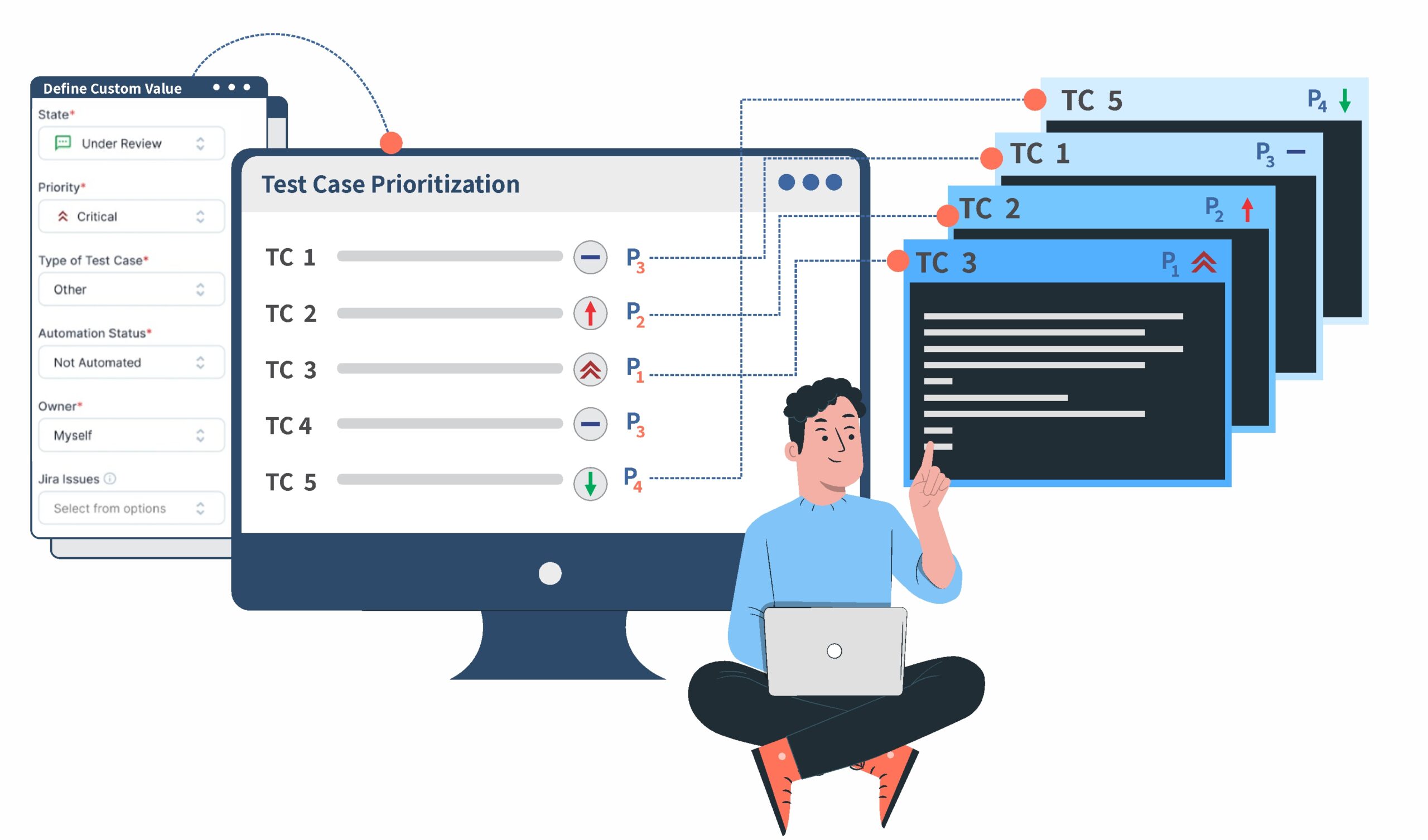
Before we go further, it’s crucial to clarify what we mean by “priority.” In software testing, bug priority is a label that indicates how soon a bug should be fixed, whereas severity reflects how serious the bug’s impact is on the system or user experience.
These two often overlap, but they are distinct:
- Severity answers: How bad is it?
Example: A crash that wipes user data is severe. - Priority answers: How soon should it be fixed?
Example: A typo in an obscure tooltip might be low priority, even though it’s technically a “bug.”
This distinction lays the foundation for triage systems — and illustrates why equal prioritization doesn’t work.
Why Equal Prioritization Fails: A Strategic Breakdown
1. Not All Bugs Impact Users the Same Way
Some bugs fundamentally undermine the product’s promise. Others are nuisances. Beta bugs that crash the core workflow or corrupt data should leapfrog smaller interface glitches — because they directly influence user trust and retention.
Most users will tolerate cosmetic issues — at least for a brief beta — but will abandon an app that loses unsaved content or repeatedly crashes.
2. Development Resources Are Limited
Beta phases are often time‑boxed. There’s usually a fixed release date and a finite team working on fixes. Treating all bugs equally means precious developer cycles get used on low‑impact tasks, delaying resolution of critical bugs and extending the beta phase unnecessarily.
3. High‑Impact Bugs Expose Risk
Some bugs expose your product to security issues, regulatory non‑compliance, or data loss. These risks are strategic, not trivial, and require prioritization based on impact and liability — not arbitrary fairness.
4. Customer Feedback Isn’t Uniform
Not all reports reflect the same urgency. Bugs reported by multiple users or tied to major features usually carry more weight than isolated reports. Triage systems help weigh collective user impact.
Real‑World Bug Prioritization: Frameworks and Best Practices
Professional QA teams don’t guess at priorities. They follow structured frameworks to evaluate and rank bugs in context.
Severity & Priority Matrices
These combine severity and priority into grids that inform decision‑making. For example:
| Severity | Priority |
|---|---|
| Crash / Loss of Data | High |
| Major Functional Failure | High |
| UI Misalignment | Medium |
| Cosmetic Text Error | Low |
This allows teams to allocate resources logically, reducing waste and improving product stability.
Risk‑Based Prioritization
This approach weighs not just immediate impact, but long‑term risk. Bugs that could reveal deeper architectural flaws or open vectors for security exploits are escalated — even if they haven’t yet caused visible customer harm.

Value vs. Effort Matrix
A popular tool from agile and lean product management, this matrix evaluates:
- Business value of fixing the bug
- Effort needed to fix it
This helps teams focus first on bugs that offer the greatest return on limited developer time.
When Not to Prioritize All Bugs
Although separate prioritization makes sense in almost all beta programs, there are a few edge cases where a more democratic approach to bugs may be beneficial:
1. Early Exploratory Betas
In very early development, when the goal is breadth of feedback rather than stability, treating all reports equally can help discover hidden patterns — especially in poorly understood domains.
2. Community‑Driven Projects
If your beta is truly open, with a broad and vocal user community, giving equal weight to early reports can foster engagement and democratize feedback.
Still, even in these cases, teams usually sort bugs by thematic clusters rather than treating them as equal tasks.
How Teams Actually Triage Beta Bugs
Professional bug triage is a recurring meeting or process where bugs are:
- Evaluated for severity
- Assessed for impact and reproducibility
- Ranked according to priority matrices
- Scheduled into release cycles or backlogs
This differs from equal treatment — it’s a deliberate, data‑informed activity that balances urgency with business and user impact.
Avoiding Pitfalls: Common Mistakes in Bug Prioritization
Even experienced teams can misstep. Here are common pitfalls:
- Focusing only on easy fixes – This can make the bug list look shorter, but leaves serious issues unresolved.
- Ignoring customer context – Not all bugs are universal; some affect key workflows more than others.
- Treating reproducibility lightly – Bugs that can be reliably reproduced are easier to fix and should often be prioritized.
Lean and Agile Prioritization: A Practical Playbook
If you’re leading a beta program, here’s a quick, practical playbook to implement effective bug prioritization:
Step 1: Define Your Prioritization Criteria
List your must‑fix conditions, such as data loss, crash frequency, customer churn risk, and security exposure.
Step 2: Establish Priority Levels
Use a numeric or tiered system (High, Medium, Low) tied to actionable thresholds.
Step 3: Triage Regularly
Hold short triage sessions at least weekly — more often if the bug volume is high.
Step 4: Involve Stakeholders
Include developers, product managers, and QA testers — and even customer support — for broad context.
Step 5: Monitor & Adjust
Priorities evolve as more data comes in — re‑evaluate regularly.
Conclusion: Equality Isn’t the Goal — Impact Matters
When beta testing, your goal isn’t to treat every bug equally — it’s to maximize product quality and user satisfaction while using limited resources wisely. Not all bugs are equal in their technical severity, user impact, or business consequences. Professional prioritization systems help teams make smarter decisions that reflect both context and strategy.
So, should all beta bugs be prioritized equally? In most cases, the answer is no — and for reasons that cut straight to the heart of smart, effective software development.