








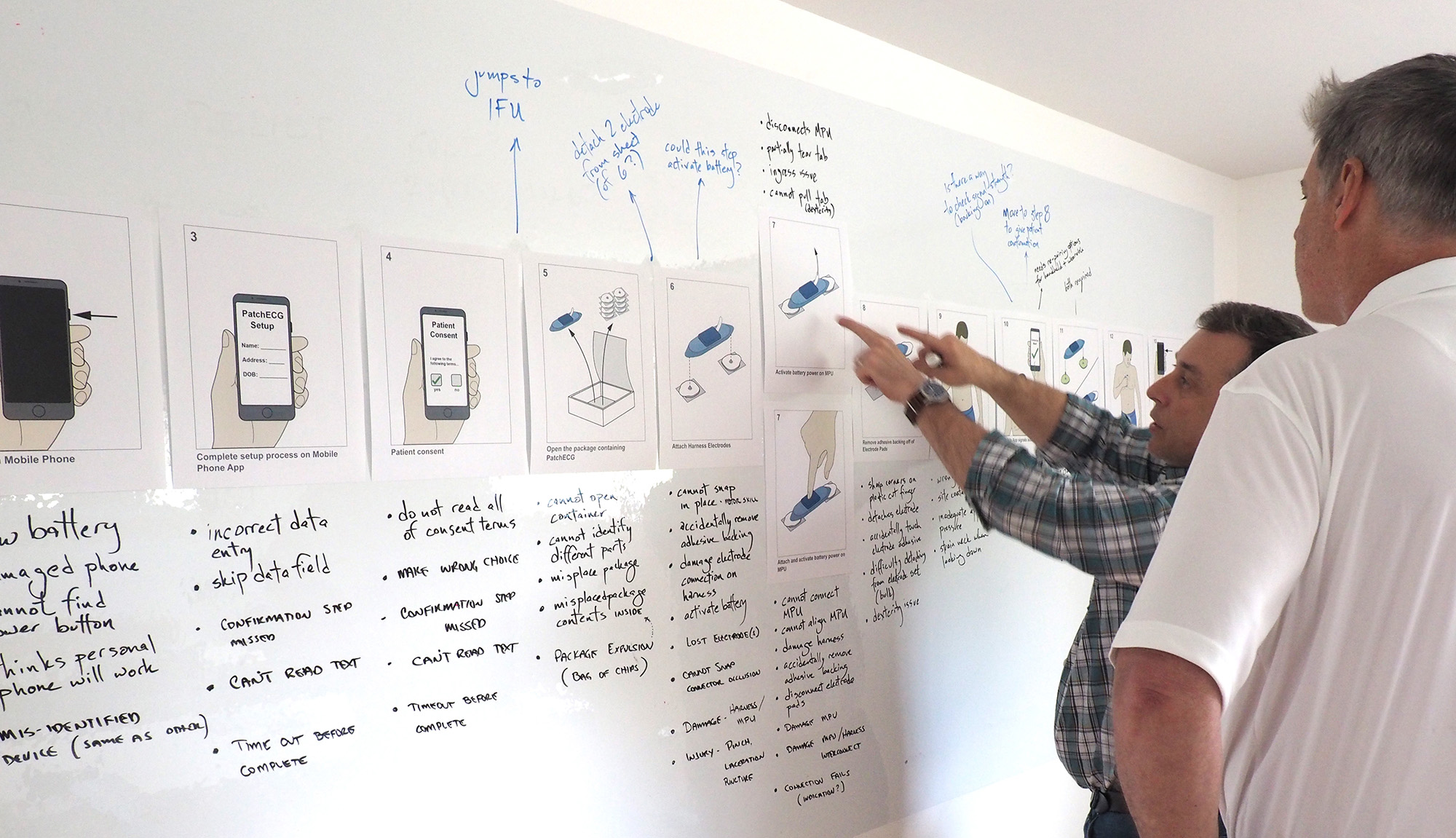

In the world of product development, especially software and tech products, teams obsess over two crucial phases of verification and validation:
- Quality Assurance (QA) — the structured, internal discipline of verifying a product meets requirements and works reliably in controlled environments.
- Beta Feedback — the real‑world experience and insights captured from external users before a final release.
At first glance, these two might seem like overlapping pieces of the same puzzle. After all, both aim to catch problems and improve the product. But many experienced product leaders insist that beta feedback and QA serve entirely different purposes, and in the decision‑making hierarchy of product maturity, the value of insights from real users often outweighs internal QA findings.
So the real question isn’t just which is better? — it’s why and when is beta feedback more valuable than traditional QA insights?
This article dives deep into that question, examining the roles of QA and beta feedback, how they influence product success, and ultimately what teams should prioritize to build better, more user‑aligned products.
1. Defining the Two Titans of Product Validation
To judge value, you first need to define what you’re comparing.
What Is QA?
Quality Assurance (QA) refers to the internal process of verifying that a product meets predefined standards and works according to specifications. QA teams use test cases, automated tests, regression checks, and controlled environments to catch defects before any external release.
QA’s core questions include:
- Does this feature do what it’s supposed to do?
- Are bugs fixed according to defined criteria?
- Does the product perform well across its expected use cases?
QA is controlled, repeatable, and often technical in scope. Its insights are grounded in engineering standards and defect lists.
What Is Beta Feedback?
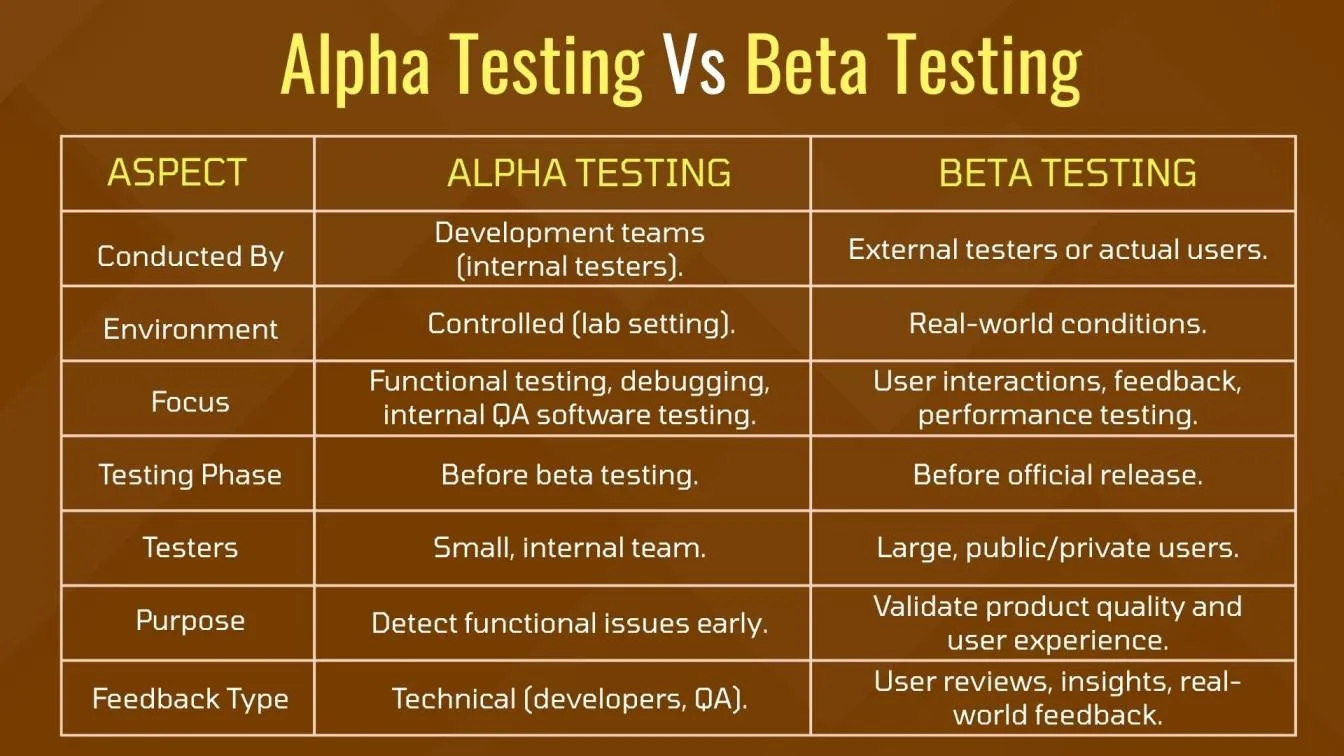
Beta feedback comes from real users — usually a select group of individuals who test the product in real world conditions before an official release.
Unlike QA, beta feedback focuses less on controlled checklists and more on how real people use the product, including:
- Usability challenges
- Confusion points
- Unexpected behaviors
- Feature desirability
In a beta environment, testers use the product in their daily workflows, capturing insights that QA might never observe under sterile test conditions.
This critical distinction — real world vs. controlled environment — is the lens through which we evaluate their respective value.
2. Why QA Still Matters (But Has Limits)
QA teams play an indispensable role. Without QA:
- Products would ship with avoidable defects.
- Performance and reliability problems could reach customers.
- Engineering teams would lack standards to uphold quality.
QA’s structure and discipline protect against technical failures. But even the most rigorous QA suite has blind spots:
- It doesn’t simulate the unpredictability of real users.
- It assumes users behave in ways engineers foresee.
- It focuses on predefined checks rather than novel behaviors.
This is not a failing — it’s simply the design of QA.
QA defines whether the product meets requirements. What it doesn’t define is how customers will interact with the product in the wild.
3. The Unique Value of Beta Feedback
Across industries, beta programs have become indispensable because they expose products to dynamic, unpredictable environments. This is where beta feedback shines.
Here’s how:
3.1 Real‑World Usability Beat Controlled Tests
QA tests often simulate what should happen. Beta feedback captures what does happen.
Real users approach interfaces, workflows, and decisions in diverse ways. Beta testers reveal:
- Confusing labels
- Unexpected user journeys
- Friction points that formal tests didn’t anticipate
These insights aren’t just about bugs — they’re about value, engagement, and experience.
As one industry source highlights, teams that expect beta testing to be “just another round of QA” will miss its most valuable outcomes — the real‑world user insights that reveal confusion, friction, and unmet needs.
3.2 Beta Feedback Uncovers Market Reality
Internal QA teams operate under assumptions of how the product should perform.
Beta users operate on how the product is used.
This difference matters because market viability is not determined by checklist conformance — it’s determined by real user reactions. A product can pass every internal test and still fail in the marketplace because it didn’t solve a user problem effectively.
3.3 Innovation Comes from User Behavior, Not Test Cases
Beta feedback often contains creative insights and novel use cases that QA can never predict. Users innovate with your product in ways designers never planned.
These novel behaviors can:
- inspire new features
- influence roadmaps
- redefine value propositions
In fact, beta feedback sometimes signals major strategic pivots, not just bug fixes.
4. Beta Feedback vs QA: A Value Comparison
Below is a detailed look at how these two processes contribute differently to product success:
| Dimension | QA Insights | Beta Feedback |
|---|---|---|
| Focus | Internal correctness and conformance | Real world use and user experience |
| Environment | Controlled test cases | Unpredictable user conditions |
| Output | Bug lists, test status reports | Qualitative & quantitative user insights |
| Timing | Pre‑release, technical validation | Pre‑release, market and usability validation |
| Predictive of success? | Only for technical stability | Predictive of market fit and user adoption |
| Innovation signals? | Limited | Often high |
| Risk exposure | Low | High (reveals edge cases and real problems) |
| Strategic alignment | Engineering perspective | Customer perspective |
Notice how QA excels at technical quality while beta feedback excels at strategic product alignment. But long‑term product success depends far more on strategic alignment.
5. When Beta Feedback Outweighs QA Insights
Beta feedback becomes more valuable than QA insights in several situations:
5.1 When User Experience Determines Adoption
If products fail because users find them hard to use, improve with bad habits, or simply don’t enjoy them — then QA metrics like “passed test cases” don’t matter.
Beta feedback reveals usability, intuitiveness, and delight — these are crucial for adoption in competitive markets.
5.2 When Market Fit and Positioning Are Fluid
In early‑stage products or in disruptive categories, what the market values isn’t fully known. Beta feedback helps define what the market actually wants. QA does not.
5.3 When Growth and Retention Depend On Engagement
Retention, word‑of‑mouth, and long‑term product success depend on emotional and experiential factors — things only beta users can reliably illuminate.
QA tells you whether the product works — beta feedback tells you whether people want it.
6. Beta Challenges: Don’t Ignore the Reality
Beta testing isn’t perfect; it comes with risks and complexities. For example:
6.1 Noise and Irrelevance
Raw beta feedback can be messy. Users may give contradictory or misleading input if:
- they aren’t representative of the target audience,
- they misunderstand the product’s purpose,
- or the product is too incomplete.
Interpreting this feedback requires contextual judgment, not blind acceptance.
6.2 Managing Feedback Volume
Large volumes of feedback can be overwhelming. Without a plan to categorize and prioritize feedback, teams can drown in noise.
6.3 Expectation Misalignment
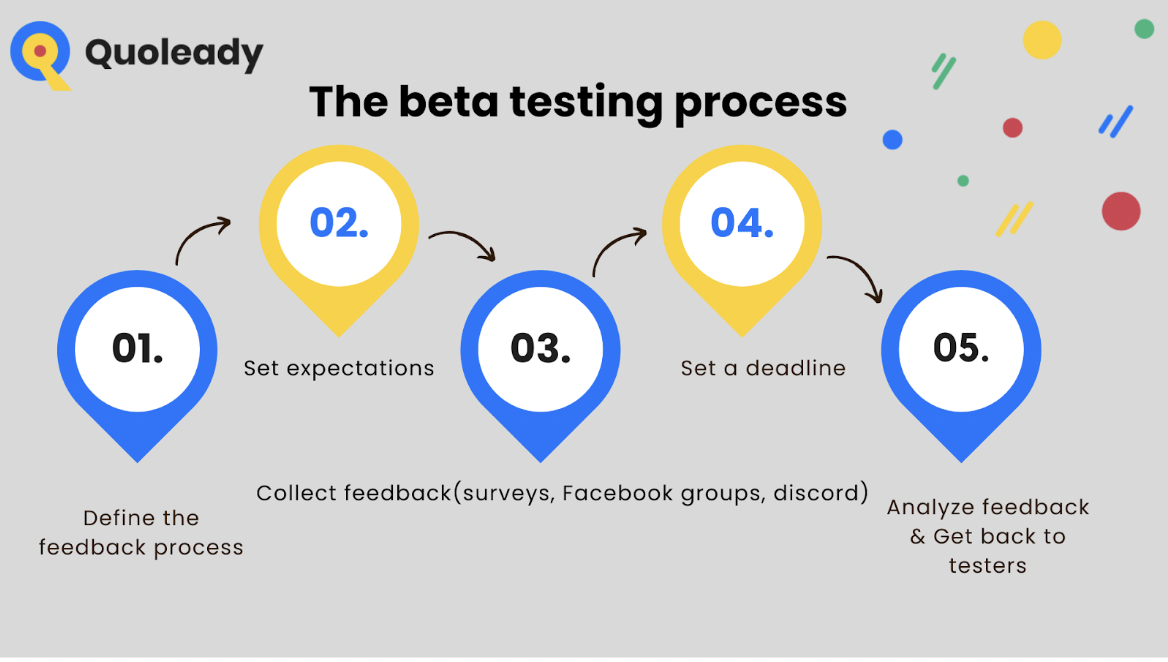
If internal stakeholders expect beta testers to act like QA engineers, confusion and disappointment can follow. Beta feedback is not QA — and setting expectations early is key.
That said, the value of beta feedback outweighs these challenges when properly managed — with segmentation, prioritization, and structured collection mechanisms.
7. Best Practices: Making Beta Feedback Work
To extract the most value from beta feedback, teams should adopt intentional strategies:
7.1 Curate the Right Testers
Not all users are equal. Carefully selecting testers from your target demographics ensures feedback is relevant and actionable.
Diverse testers reveal broader behaviors; segmentation reveals meaningful patterns.
7.2 Mix Quantitative and Qualitative Signals
Beta data isn’t just qualitative commentary — combine:
- usage analytics
- sentiment scoring
- feature engagement statistics
This helps teams distinguish real problems from outlier opinions.
7.3 Define Clear Feedback Goals
Clarify what you want to learn:
- Are you testing usability?
- Feature desirability?
- Market readiness?
Setting explicit objectives unlocks deeper insights.
7.4 Communicate and Build Trust
Share updates with testers, show how their feedback shaped decisions, and keep them engaged — this increases participation quality.
Beta feedback isn’t just data — it’s a conversation with your early adopters.
8. QA and Beta: Partners, Not Rivals
A key insight from professionals in the field is that QA and beta feedback are not competitors — they are complementary parts of a larger quality strategy.
While QA ensures your product makes logical sense internally, beta feedback ensures it makes emotional and practical sense externally.
The most successful teams treat QA and beta insights as two layers of intelligence:
- QA validates the system.
- Beta validates the real purpose.
Most importantly, beta feedback often reveals insights QA could never capture because it reflects real human behavior, context, and value perception.
9. Conclusion: The True Value Lies in Real Users
So, is beta feedback more valuable than QA insights?
The answer is a resounding yes — but only in the context of long‑term product success, market adoption, and user satisfaction.
QA ensures your product doesn’t break. Beta feedback reveals whether your product deserves to exist.
By focusing on real user experience, teams uncover:
- unexpected use cases,
- usability friction,
- strategic market signals,
- and often the actual definition of product value.
In today’s hyper‑competitive software and tech landscape, user insight trumps technical correctness when it comes to building products people love.
Beta feedback — especially when managed thoughtfully — is a strategic compass. QA is a technical safeguard. Together, they form a complete product validation system, but when prioritizing product impact and market fit, beta feedback delivers the most valuable intelligence.