









For more than half a century, the Moon has been a destination symbolizing human ingenuity, courage, and the deep pull of exploration. From the triumphant Apollo landings in the 1960s and 1970s to an era of renewed interest in lunar science and presence, the story of lunar exploration has long been dominated by nation-state space agencies such as NASA, Roscosmos, CNSA (China), JAXA (Japan), and ISRO (India). Yet in the 21st century, a paradigm shift is underway: private commercial enterprises are now firmly in the race to touch down on the Moon and build a sustainable economic ecosystem there.
As of 2026, commercial lunar landings are no longer theoretical. They have transitioned from proposals and prototypes to tangible missions. Multiple companies worldwide have launched or are actively planning lunar landers under both government contracts and private finance. The burning question — and the topic of this essay — is not whether the first commercial Moon landing will happen, but who will win it. And in answering this, we need to explore not only the bold contenders but also the defining trends in technology, funding, policy, and the evolving goals of lunar commercial activity.
This essay breaks down the lunar commercial race by examining the major players, the technological and regulatory landscape, the milestones already achieved, and the emerging front-runners for future commercial landings. With rich context and expert perspective, we will end with a forward-looking assessment of likely winners and what the first commercial Moon landing truly means for humanity.
The New Lunar Frontier: Commercial Space and the Moon
Before assessing contenders, it’s vital to understand the broader backdrop. For most of the Space Age, lunar landings were monumental, centrally planned national programs. The U.S. Apollo missions culminated in Neil Armstrong’s iconic first step on the Moon in 1969. After Apollo, lunar exploration became less frequent. There were robotic landings by government agencies, including China’s Chang’e series and India’s Chandrayaan missions, but private entities played no role.
That changed in the 21st century with the advent of commercial space companies pushing into domains once exclusively owned by governments — especially delivery services to low Earth orbit and beyond. Advances in reusable rockets, miniaturization, and affordable spacecraft systems, combined with government programs that encourage private participation, have dramatically lowered barriers to entry.
A major catalyst was NASA’s Commercial Lunar Payload Services (CLPS) initiative, launched to stimulate private sector capability to deliver payloads to the lunar surface. Under CLPS, NASA contracts private companies to design, build, launch, land, and operate lunar landers that carry science instruments and technology demonstrations. This moves NASA from builder to customer, signaling a fundamental shift in how space missions are enabled and executed.
CLPS missions are stepstones toward NASA’s broader Artemis program goals, which include returning humans to the Moon and establishing sustainable presence. But they are also proving grounds for commercial operators, whose success could unlock truly private lunar opportunities — delivery services, resource harvesting, lunar infrastructure, tourism, manufacturing, and more.
Historical Firsts and Early Contenders
Several commercial lunar missions over the past few years have laid the foundation for today’s race. Let’s start by outlining the early contenders whose missions shaped the narrative.
Intuitive Machines and the Odysseus Lander
Intuitive Machines, a Houston-based aerospace company founded in 2013, was among the earliest to pursue a commercial lunar landing. It developed the Nova-C series landers, with the first vehicle Odysseus aiming to land on the Moon and deliver scientific and commercial payloads under CLPS. On February 22, 2024, Odysseus did indeed touch down on the lunar surface, marking a historic event — the first commercial lunar landing of a spacecraft built and launched by a private company.
This landing revived U.S. lunar exploration after more than five decades and signaled that commercial landers could achieve soft touchdown. Odysseus carried instruments for NASA and commercial customers, demonstrating that private entities could serve both scientific and economic sponsors. The mission wasn’t without drama: the lander did not remain perfectly upright, highlighting the formidable difficulty of lunar soft landings, especially when using new technologies and constrained budgets.
Despite imperfect execution, Odysseus succeeded in proving that private landers can reach the Moon — a milestone that official histories will likely remember as the beginning of the era of commercial lunar surface access.
Firefly Aerospace and the Blue Ghost Lander

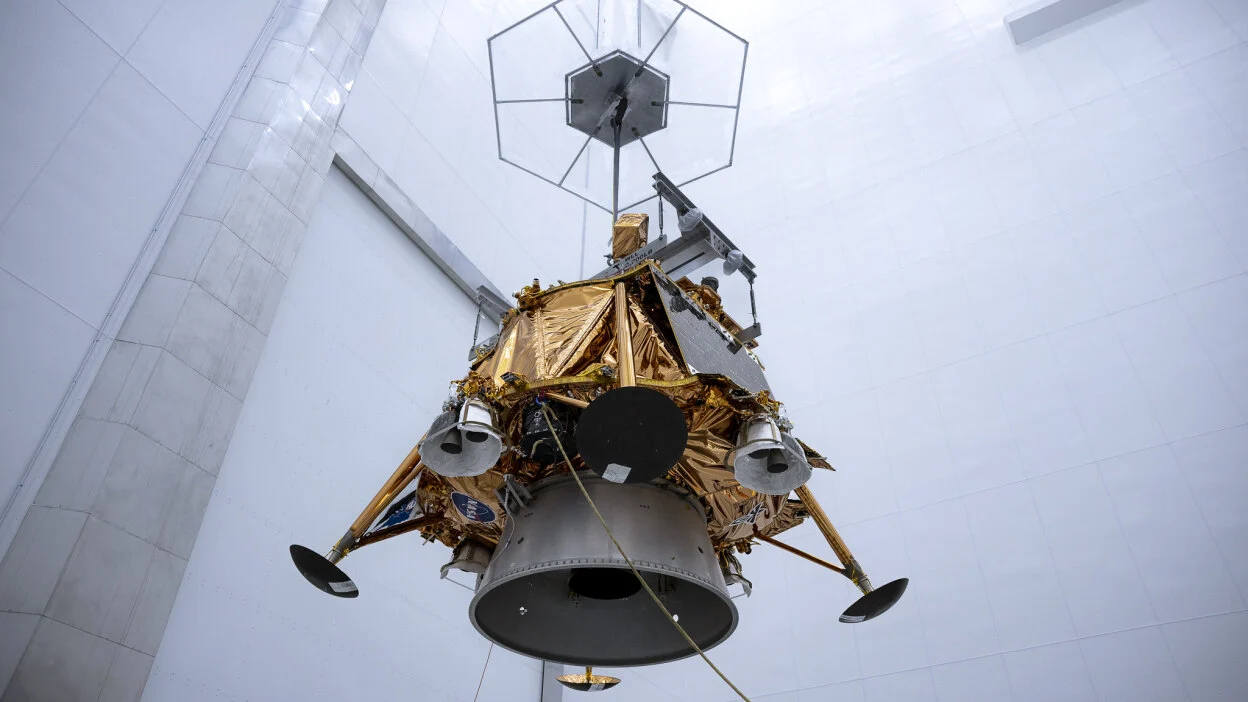
A rival emerged quickly. Firefly Aerospace, a Texas-based space company with strong rocket and spacecraft design credentials, developed the Blue Ghost lunar lander under its CLPS contract. Launched on January 15, 2025, aboard a SpaceX Falcon 9, the Blue Ghost lander achieved a fully successful soft landing on March 2, 2025, with mission controllers confirming a calm, upright touchdown on the lunar surface near Mare Crisium.
Firefly’s achievement was widely reported as the first fully successful commercial Moon landing, a subtle but significant distinction from Intuitive Machines’ earlier partial success, which involved a less stable final configuration. Some analysts and industry observers view Firefly’s mission as the first technically flawless commercial lunar landing — an important credibility boost for both the company and commercial lunar efforts more broadly.
Blue Ghost carried NASA scientific instruments and operated for the expected lunar daylight period, completing its mission before lunar nightfall. The significance of this milestone cannot be overstated: it demonstrated that a privately designed and operated lander could autonomously navigate, descend, and touch down with precision — essential capabilities for future commercial activity.
Astrobotic Technology: Griffin and Peregrine
Astrobotic Technology, based in Pittsburgh, has been among the most longstanding commercial lunar specialists. Its lander designs, including Griffin and Peregrine, were developed specifically to address the CLPS mission. Astrobotic has received NASA funding and pursued multiple contracts to deliver payloads to the lunar surface.
While the first Peregrine launch faced setbacks, Astrobotic remains a key contender, refining its hardware and preparing follow-on missions that could put it at the forefront of commercial lunar delivery.
Other Early Efforts and SpaceIL’s Beresheet Legacy
Before the current generation of commercial lander efforts, some earlier private ventures attempted lunar landings. The Israeli non-profit SpaceIL’s Beresheet in 2019 was one of the first privately funded lunar lander attempts. It demonstrated the potential of commercial funding and international collaboration but ultimately crashed due to an engine failure. Beresheet’s legacy endures as an inspiration — proof that private organizations could reach deep space, even if they hadn’t yet mastered a soft landing.
Japanese company ispace also positioned itself as a challenger in the early 2020s, with its Hakuto-R landers designed to be among the first private lunar landers. Although Mission 1 faced difficulties, ispace has continued its program and remains active in commercial lunar exploration.
A Crowded Race: Contenders and Challenges
Today’s commercial lunar landscape is increasingly competitive. Several companies have proven capability, others are refining designs, and many are positioning themselves for future landings or services beyond initial touchdown.
Commercial Lunar Payload Services (CLPS) Providers
Under NASA’s CLPS program, multiple companies have been selected and funded to demonstrate lunar surface delivery services. These include:
- Intuitive Machines — Successfully landed Odysseus.
- Firefly Aerospace — Successfully landed Blue Ghost.
- Astrobotic Technology — Multiple missions planned, refining lander designs.
Even companies that did not win or complete early contracts have participated in innovation, testing, and system development that bolster the broader ecosystem. The technical approaches vary, with some landers emphasizing precise soft landings, while others focus on payload capacity or reusable systems.
Technical Barriers to Commercial Lunar Landing
A soft landing on the Moon requires mastering several highly challenging technologies:
- Guidance, Navigation and Control (GNC): Automated descent requires pinpoint trajectory execution and precise hazard avoidance.
- Propulsion systems: Engine reliability in vacuum and variable gravity is critical.
- Thermal and power engineering: Lunar day-night cycles (two-week days and nights) impose extreme temperatures and energy constraints.
- Communication: Maintaining real-time or near real-time links with Earth while handling long distances.
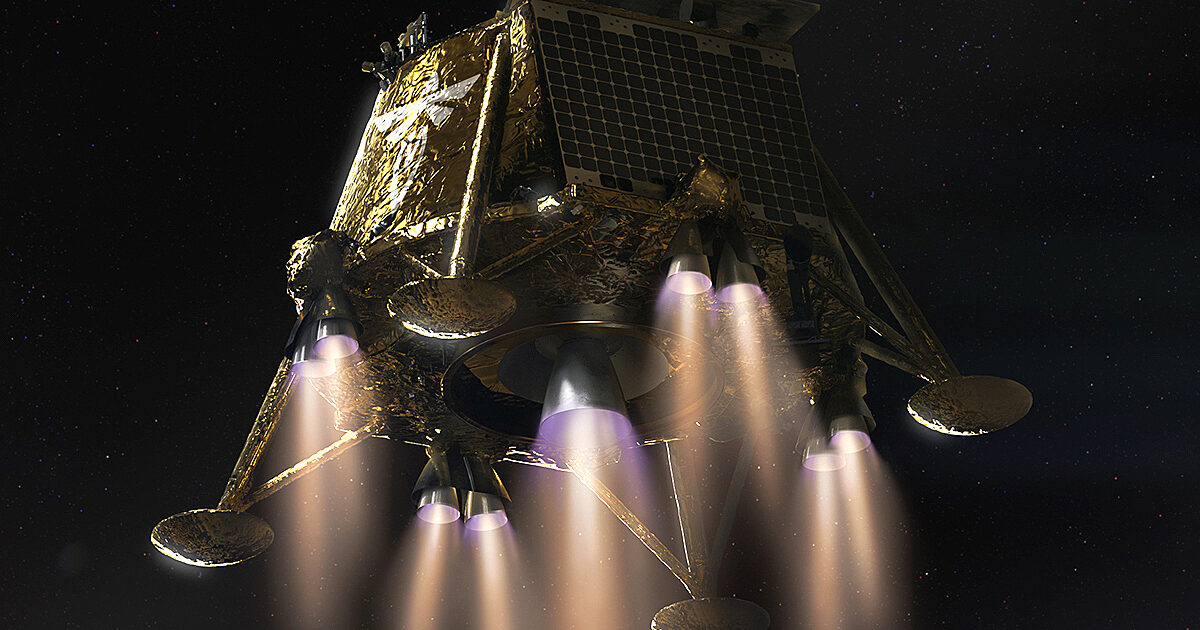
Companies mastering these domains are poised to succeed. Firefly’s and Intuitive Machines’ missions illustrate how multiple approaches can still converge on success, albeit with varying levels of execution quality.
Beyond CLPS: Commercial Goals and New Entrants
While CLPS has been a key driver, purely private lunar ambitions are emerging. Space tourism firms, resource extraction ventures, and companies proposing lunar infrastructure (habitats, communication relays, power grids) envision a broader lunar economy. These future players might not compete for first landing glory, but they will ultimately define commercial success at scale.
Some new entrants — both startups and established aerospace companies — are exploring landers, orbiters, and logistics systems that could support lunar bases, mining operations, and tourism. Partnerships with national space agencies continue to be important funding and validation mechanisms.
Who Has Won Already? Sorting the Debate
The definition of “first commercial Moon landing” can be surprisingly nuanced. Historians, industry analysts, and space agencies might differentiate between:
- The first landing attempt by a private company.
- The first soft touchdown (even if not fully operational).
- The first fully successful automated landing with full mission execution.
- The first commercial landing independent of government contracts.
Here’s where the major contenders stand:
Intuitive Machines — First Soft Landing by a Commercial Entity
The Nova-C lander Odysseus achieved a lunar landing in February 2024. While not perfect in stability, it marked the first time a privately developed lunar lander reached the lunar surface under its own power and control. That achievement is arguably the first commercial lunar landing in history, even if the mission did not operate all systems optimally post-touchdown.
Firefly Aerospace — First Fully Successful Soft Landing
Firefly’s Blue Ghost executed a smooth, stable landing in March 2025, widely recognized as the first fully successful commercial Moon landing. The clear success of this mission has led many observers to consider Firefly the company that “won” the first robust, repeatable commercial lunar touchdown.
Depending on criteria — historical first versus fully successful landing — both companies have legitimate claims.
Future Front-Runners: Who Will Land Next?
Landing on the Moon once is extraordinary. But the first sustained commercial lunar presence and repeated landings will define deeper success. Who is positioned to dominate next?
Astrobotic Technology
Astrobotic’s lander programs have matured significantly, with lessons learned from early missions and continued refinement. The company has a strong backlog of NASA payload delivery contracts and commercial customers. Its future missions could place it at the forefront of lunar services if execution remains on schedule.
ispace (Japan)
After initial setbacks, ispace continues to develop lunar lander technology with a focus on repeatability and payload delivery. It has international partnerships and a clear strategy for scaling operations.
New Market Entrants and Partnerships
Companies that combine capital, technical expertise, and strong partnerships (government or commercial) will likely succeed. Collaborative models between space agencies and private firms leverage public funding and private innovation effectively.
The Real Meaning of Winning
What does winning the first commercial Moon landing mean? It’s not simply touching down first. It’s mastering repeatable, safe, cost-effective lunar access that spawns sustained commercial activity. This includes:
- Delivering cargo reliably to multiple lunar sites.
- Supporting lunar research and commercial payloads.
- Providing logistics for lunar bases or resource harvesting.
- Building infrastructure (power grids, communications, habitats).
- Enabling lunar tourism or manufacturing.
By these metrics, the winners will be those entities that turn a landing into a market.
Conclusion: Who Will Win?
History will remember the earliest lunar landings as defining milestones. On a narrow technical definition, Intuitive Machines holds the title of first commercial lunar touchdown. Yet in terms of precision, stability, and mission success, Firefly Aerospace’s Blue Ghost has set a new standard — likely earning the moniker of the first fully successful commercial landing.
Looking forward to the next decade, the race will evolve into repeated missions, sustainable services, and commercial ecosystems. Companies like Astrobotic and ispace, along with others entering the lunar market, could become leaders in an expanding lunar economy. Ultimately, the real victory won’t be in a single landing but in crafting a lunar marketplace that sustains science, commerce, and human aspiration beyond Earth.