









Introduction: The Cosmic Gold Rush
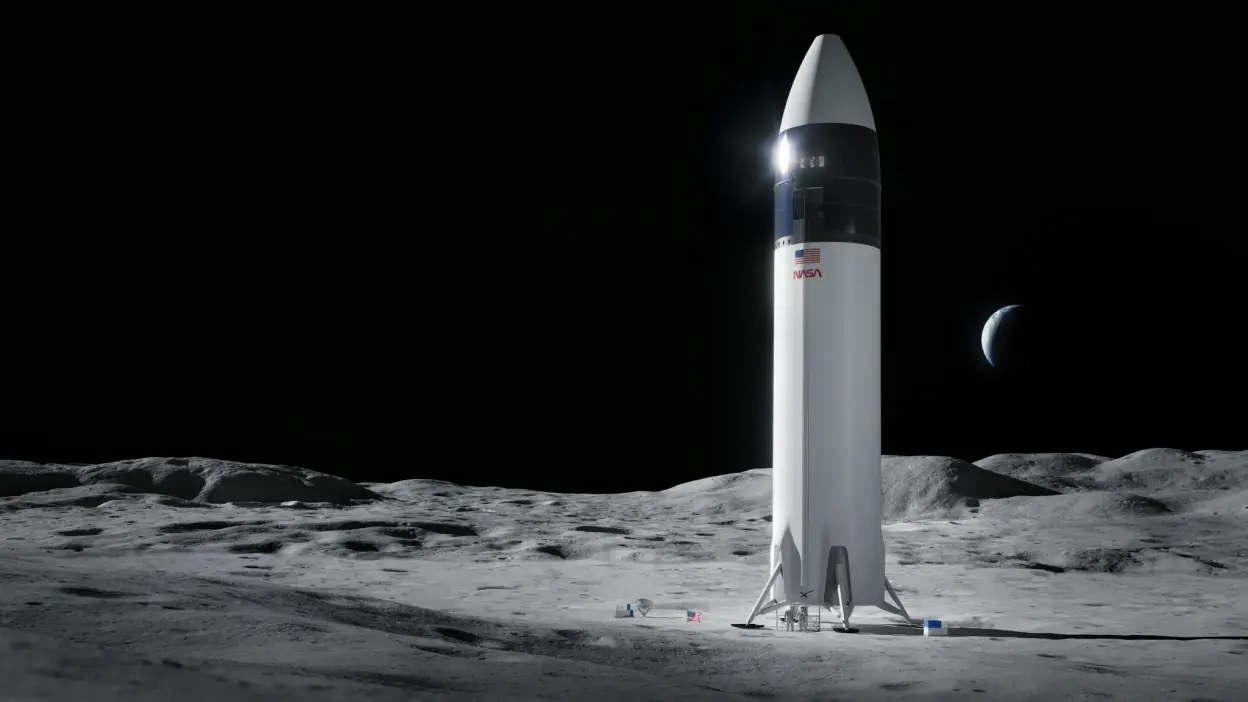
Imagine a future where humanity slices open a rocky asteroid, pumps out water to fuel spacecraft, and returns shimmering nuggets of platinum-group metals back to Earth. For decades, science fiction authors have teased such visions. Today, technologists and investors are seriously asking: Can space mining ever be profitable?
In this article, we’ll dive into the financial, technological, legal, and economic dimensions of space mining. We’ll explore realistic business cases, the hurdles that might hold back profitability, and how this audacious frontier could reshape the future of space and Earth alike.
Chapter 1 — The Economics of Space Resources: Beyond Cost and Value
At its core, space mining is driven by the economics of supply, demand, and cost — just like terrestrial mining. But in space, the rules are dramatically different.
The High Price of Launch and Operation
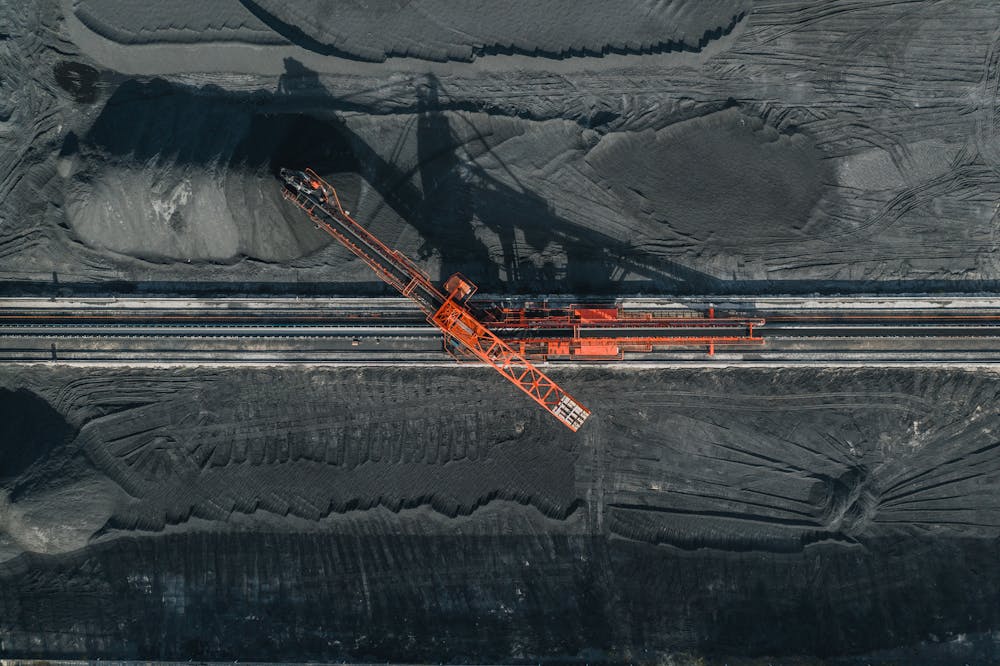
On Earth, mining costs include labor, equipment, energy, and logistics. In space, add launch costs, deep-space navigation, autonomous robotics, and extreme environments. Historically, launching a kilogram into orbit could cost over $10,000 per kg; even with reusable rockets dropping that figure drastically, costs remain high compared to ground mining.
On top of launch costs, meaningful space mining missions involve:
- craft propulsion to reach asteroids far from Earth;
- robotic or automated extractive systems;
- onboard processing and refining technologies;
These all require massive R&D and capital expenditure before a single gram of material is sold.
The Resource Valuation Puzzle
Asteroids contain abundant materials — from iron and nickel to platinum-group metals like platinum, palladium, and rhodium. According to industry estimates, some near-Earth asteroids could theoretically hold trillions of dollars worth of metals.
But the dollar value on paper does not guarantee profit. Market factors matter:
- Material prices fluctuate on Earth;
- Bringing mass from space may flood markets, lowering prices;
- Costs to extract and transport may dwarf the commodity value.
Instead of ballistics into Earth’s economy, early opportunities may be in-space utilization, where resources are used where they are found — such as water used for fuel or construction in orbit — dramatically reducing launch dependency.
Chapter 2 — Near-Term Profit Cases: Water, Fuel, and In-Space Economy
One of the most compelling early business cases in space mining isn’t platinum or gold — it’s water.
Why Water Is Valuable in Space

Water in space isn’t just for drinking. It can be:
- split into hydrogen and oxygen to make rocket fuel;
- used for life support in habitats;
- employed as radiation shielding.
Transporting water from Earth to orbit costs tens of millions per ton. Extracting it from a water-rich asteroid and selling it in space could cost a fraction of that — as little as $10 million per ton versus $100M+ from Earth.
This fundamental cost advantage creates a realistic near-term commercial opportunity: orbital refueling stations, space tug networks, and lunar mission support. In this scenario, space mining doesn’t compete on Earth markets — it becomes a key player in a space economy ecosystem.
Chapter 3 — Technological Barriers and Breakthroughs
Profitability isn’t just about markets; it’s about enabling technologies.
Robotics, Propulsion, and Autonomy
Most technologies necessary for space mining remain in early stages — only a fraction are considered mission-ready for autonomous space extraction.
Key technological challenges include:
- autonomous drilling and excavation in microgravity;
- efficient resource processing with limited power;
- robotics that can survive long missions without human intervention.
Progress in these areas is accelerating, but profitability depends on breakthroughs that reduce mission costs and increase reliability.
Reusable Rockets and Reduced Launch Costs
The dramatic decrease in launch costs — driven by reusable rockets from companies like SpaceX — is a critical enabler. Lower launch fees open the door for more affordable missions, but mining itself still requires significant energy and engineering to make it viable.
Chapter 4 — Legal and Financial Frameworks
Space mining’s future also depends on laws and investment vehicles that support long timelines and high risk.
Ownership and International Law
Space treaties were written in the 1960s and didn’t contemplate commercial resource extraction. This has left a gap in international law. However, some countries like the United States and Luxembourg have passed national laws granting companies property rights over extracted space resources.
This clarity helps attract capital, but global frameworks are still under development.
Investor Appetite and Risk
Asteroid mining ventures are inherently speculative. Unlike terrestrial mining, where returns might emerge over years, space mining projects can take decades before positive cash flow. That tests the patience of investors accustomed to shorter timelines.
However, space economy investors are beginning to evaluate space mining as a long-play component of a broader market — one that includes satellite servicing, orbital infrastructure, and in-space manufacturing.
Chapter 5 — Prospectors and Pioneers: Industry Players
Several startups and national initiatives are actively exploring space mining:
- AstroForge aims to extract and refine platinum-group metals in space.
- Traditional aerospace players and space agencies are partnering on technologies that could lead to commercial applications.
- NewSpace companies view space mining as a component of larger economic ecosystems, not stand-alone businesses.
These entities are not yet profitable mining operations, but they are critical explorers laying the groundwork for future profitability.
Chapter 6 — Timeframes and Future Scenarios
Experts generally agree that industrial-scale, profitable space mining is not imminent in the next few years. Instead, timelines fall into three approximate phases:
Near Term (2025–2035)
- Prospecting missions
- Small-scale water extraction trials
- In-space resource use campaigns
These efforts may break even or demonstrate value by cutting costs of space infrastructure support.
Mid Term (2035–2050)
- Commercial extraction missions start
- Water and materials for lunar bases or orbital construction
- First returns on investment if market demand for off-Earth resources matures
Long Term (2050+)
- Potential profitable export of rare metals to Earth becomes conceivable if Earth markets value space resources and costs fall sufficiently.
Chapter 7 — Real World Risks and Market Dynamics
A profitable space mining industry hinges on several critical variables:
- Technological innovation — for extraction, refinement, and autonomous operation.
- Market demand — for in-space fuel and raw materials.
- Cost reductions — particularly in launch and deep space transportation.
- Legal clarity — internationally recognized rights and frameworks.
- Earth market dynamics — commodity pricing and supply effects.
Even then, some skeptics argue that transporting physical commodities back to Earth will never be cost-competitive with terrestrial mining, and that space mining’s real value lies in powering the space economy itself.
Conclusion: A Profitable Future — But Not by Traditional Measures
So, can space mining ever be profitable? The short answer: Yes — but under specific conditions and perhaps not in the way early visionaries imagined.
Profitability is far more plausible inside space — fueling rockets, supporting habitats, and supplying construction materials for orbiting factories — than in hauling mass to Earth for sale on commodity markets. The greatest value may come not from bringing back gold, but from enabling a sustainable, economically viable presence in space.
Space mining, then, isn’t just a mining venture — it’s part of a broader shift toward a space-based economy in which resources are used where they are found, and where profitability is measured not only in dollars returned to Earth, but in the value created among the stars.