









In the fast‑paced universe of software development, where deployment cycles shrink and user expectations soar, the question is no longer if we should innovate our quality assurance (QA) practices — it’s how we should innovate them. At the heart of this transformation is one of the biggest debates in engineering today: Is AI‑driven bug reporting better than manual QA? This deep dive dissects this high‑stakes question with a professional lens, balanced insights, and enough real‑world context to spark fresh perspectives.
Let’s unpack this with clarity, energy, and precision — from the core mechanics of testing to strategic implications for teams and products.
The Changing Landscape of Software Quality Assurance
Software quality assurance isn’t just a checkbox anymore — it’s mission‑critical to user trust, business continuity, and competitive advantage. Traditionally, QA centered around manual testing, where human experts explore software behaviors, execute test cases, report bugs, and make judgment calls based on situational context. This approach was reliable in slower development eras, but modern engineering demands have exposed its limitations.
The rise of automated testing — scripted actions that execute predefined tests — attempted to alleviate scale and repetition. But scripts break when the code changes and often need constant maintenance.
Now enter the revolutionary player on the field: AI‑driven bug reporting and QA. Powered by machine learning and increasingly capable models, AI promises to automate both the detection and reporting of bugs in ways traditional automation never could.
But is that enough to make it better?
Defining the Contenders: What We Mean by “Better”
Before we compare, let’s clarify what we mean by better in this context:
- Accuracy: How reliably are defects detected?
- Speed: How quickly can testing be completed?
- Coverage: How deeply does testing explore the software?
- Cost and Efficiency: How much time and money is invested?
- Strategic Value: Does it improve team workflows and product quality?
Each of these outcomes depends on more than just the technology — it depends on the context, domain, and how humans interact with the toolchain.
The Case for AI‑Driven Bug Reporting
AI‑driven QA isn’t about replacing testers outright — it’s about enhancing capabilities by leveraging intelligent systems that can scale, adapt, and learn. Here’s how:
1. Speed and Scale Beyond Human Limits
AI can generate and execute thousands of test cases in the time it takes a human tester to complete a handful. These systems can run parallel tests across environments and configurations, dramatically shrinking feedback loops and accelerating releases.
This isn’t incremental — it’s exponential. Humans operate sequentially; AI operates in parallel.
2. Improved Accuracy with Machine Learning
AI systems, especially those trained on large historical data, can detect patterns that humans might miss — particularly in complex codebases. They can even identify edge cases that aren’t apparent until multiple conditions collide.
This helps reduce false positives and improves confidence in testing outputs.
3. Broader Coverage, Deeper Insights
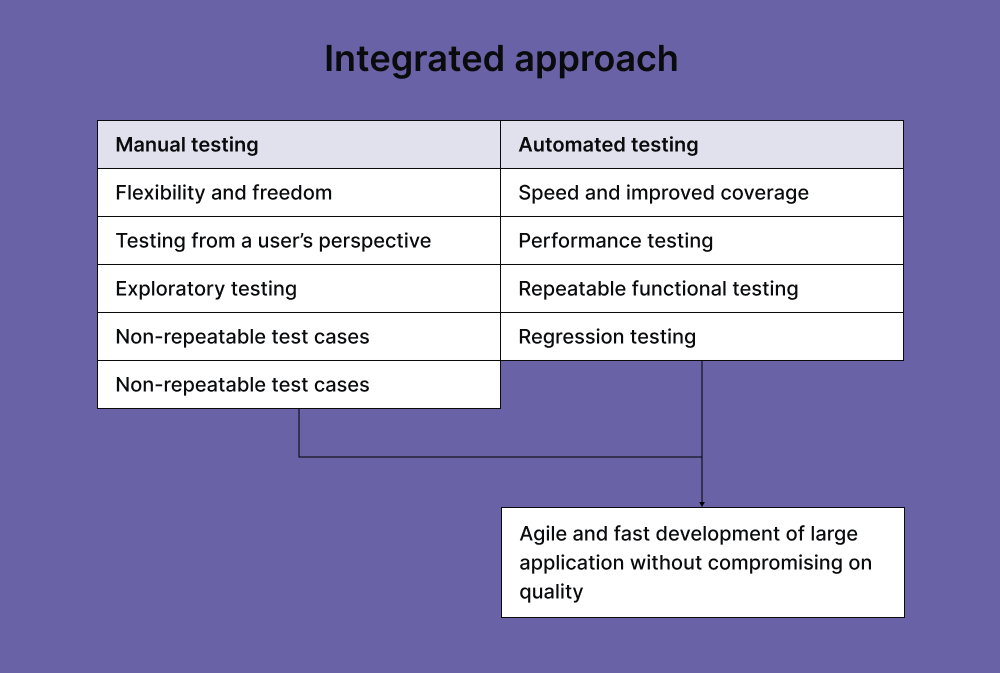
Traditional manual testing can’t reasonably cover every possible flow, device, or environment. AI systems, on the other hand, can explore more paths, simulate more interactions, and adapt to evolving software in ways humans simply don’t have the time to do.
AI also excels at regression testing, automatically rerunning suites after changes and predicting which areas are most likely to be affected.
4. Reducing Repetitive Work
Humans are phenomenal at creative reasoning. AI is phenomenal at repetitive, data‑intensive reasoning. By letting AI handle mundane regression cycles, repetitive execution, and pattern recognition, QA professionals are freed up to focus on strategic, user‑centric testing.
This division of labor improves overall productivity.
5. Data‑Driven Reporting
AI can sometimes even generate detailed error traces and bug reports, pointing developers directly to probable root causes — which can significantly speed up fixes and reduce finger‑pointing.
This data‑driven reporting can elevate debugging from guessing to evidence‑based action.
The Case for Manual QA
AI is powerful, but manual QA is not obsolete. In fact, it remains vital in several domains.
1. Human Intuition and Context
Software isn’t just code — it’s a human experience. Manual testers can assess nuance, emotional context, usability concerns, inconsistent designs, and other subjective features that AI models don’t grasp inherently.
For example: Does the UI feel intuitive? Does that color choice conflict with accessibility standards? These are subtly human judgments.
2. Exploratory and Ad Hoc Testing
In early development stages or when requirements shift frequently, scripted or algorithmic testing can struggle. Manual testers excel when exploring unpredictable behaviors and undefined flows.
AI doesn’t replace creativity; humans still lead in unscripted discovery.
3. Complex Business Logic Validation
Some applications involve intricate business logic, regulatory constraints, or domain expertise (e.g., finance, healthcare). Manual testers with domain knowledge can offer contextual insights that raw AI models can misinterpret or oversimplify.
You wouldn’t want an AI deciding on compliance edge cases without human oversight.
4. Ethical and Bias Challenges
AI models are only as unbiased as their training data. If that data is limited or skewed, the AI could miss critical defects or misprioritize issues — producing false confidence. Human judgment is crucial to validate and contextualize results.
This is especially important in ethical testing, where fairness and inclusivity matter.
Where AI Shines and Where Manual QA Still Leads
Here’s a practical breakdown of where each approach excels:
When AI‑Driven Bug Reporting is Best:
- Regression and repetitive testing
- Large, complex systems with many permutations
- Fast CI/CD pipelines and frequent releases
- Parallel environment testing
- Data‑intensive pattern detection
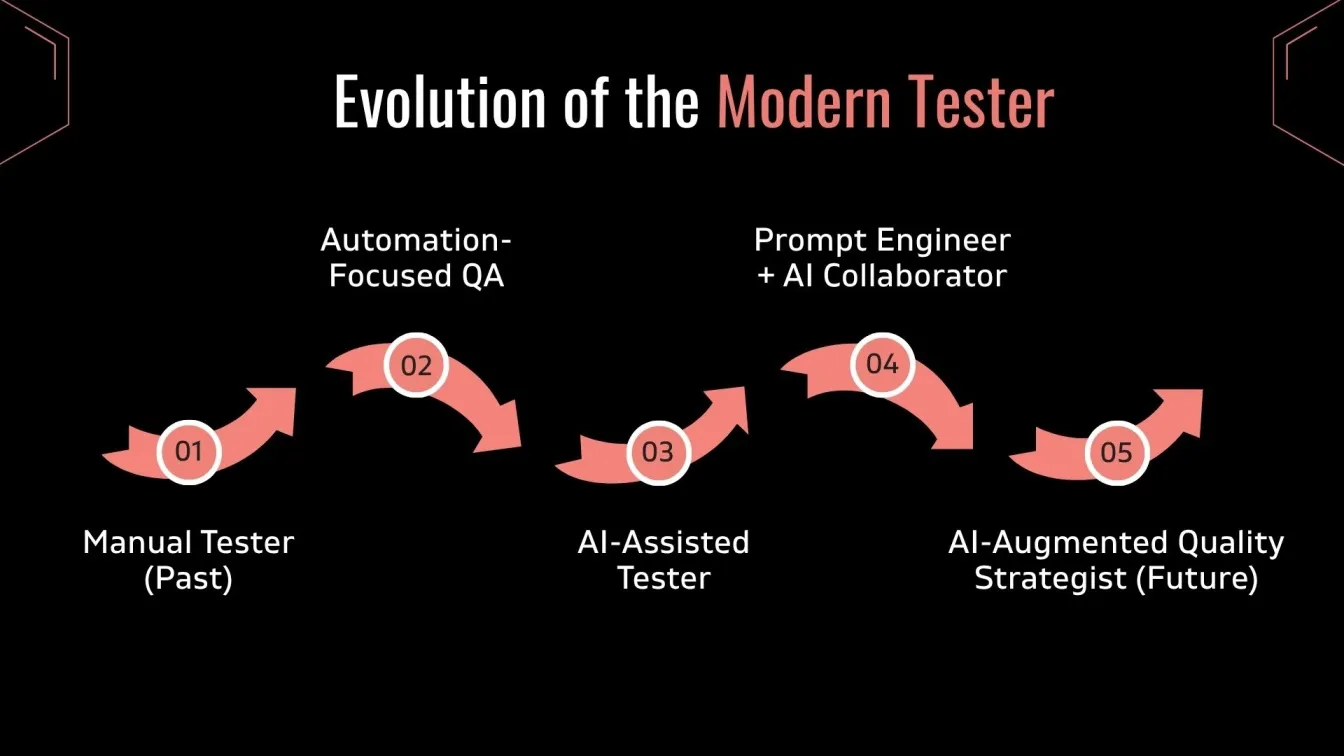
When Manual QA is Best:
- Usability and experience evaluations
- Exploratory and ad hoc test scenarios
- Logic that requires human judgment or domain context
- Early prototypes with rapidly changing features
- Ethical or subjective test criteria
The truth is not binary — it’s complementary. AI augments human capabilities, but does not make human reasoning obsolete.
The Hybrid Future: Human + AI Collaboration
Rather than debating AI vs Manual, the future of QA lies in synergy.
1. AI Automates the Repeatable
AI handles thousands of cases, runs regression tests, updates coverage, and flags anomalies — all at scale.
2. Humans Focus on the Meaningful
Human testers focus on creative, exploratory, contextual testing — areas where AI still lags. That includes UX perception, strategic edge‑case thinking, and ambiguous conditions.
This hybrid model isn’t just effective — it’s efficient, scalable, and aligned with how modern teams build software.
In fact, industry reports show AI tools can reduce QA time dramatically while letting humans invest their time where it matters most.
Strategic Considerations for Adoption
If your team is debating whether to adopt AI‑driven bug reporting, here’s what to consider:
1. Team Skillsets
AI tools require setup, maintenance, and interpretation. Teams need to invest in skill development and possibly new roles that blend QA and AI fluency.
2. Cost vs. Benefit
AI systems often require upfront investment. But long‑term benefits include reduced labor costs and faster releases.
3. Product Complexity
Simple apps may not justify complex AI tooling — but large, evolving systems absolutely benefit from it.
4. Regulatory and Ethical Constraints
For regulated industries, human oversight is essential to validate AI outputs and ensure ethical integrity.
5. Integration and Workflow
AI must integrate with your CI/CD pipelines, bug trackers, and collaboration tools to deliver real value.
The strategic play is not “replace humans with AI,” but empower humans with AI.
Final Verdict: Better Depends on Context
So, is AI‑driven bug reporting better than manual QA? The short answer — yes — when applied thoughtfully, in the right balance, and with human oversight.
AI dramatically accelerates bug detection, boosts coverage, and reduces repetitive drudgery. But manual QA remains essential for nuance, insight, and the human understanding of what quality truly means.
The real edge is collaboration — where machines handle scale and humans handle judgment. In that world, QA is not replaced, but upgraded.
The era of AI‑assisted quality assurance isn’t just arriving — it’s already here.