








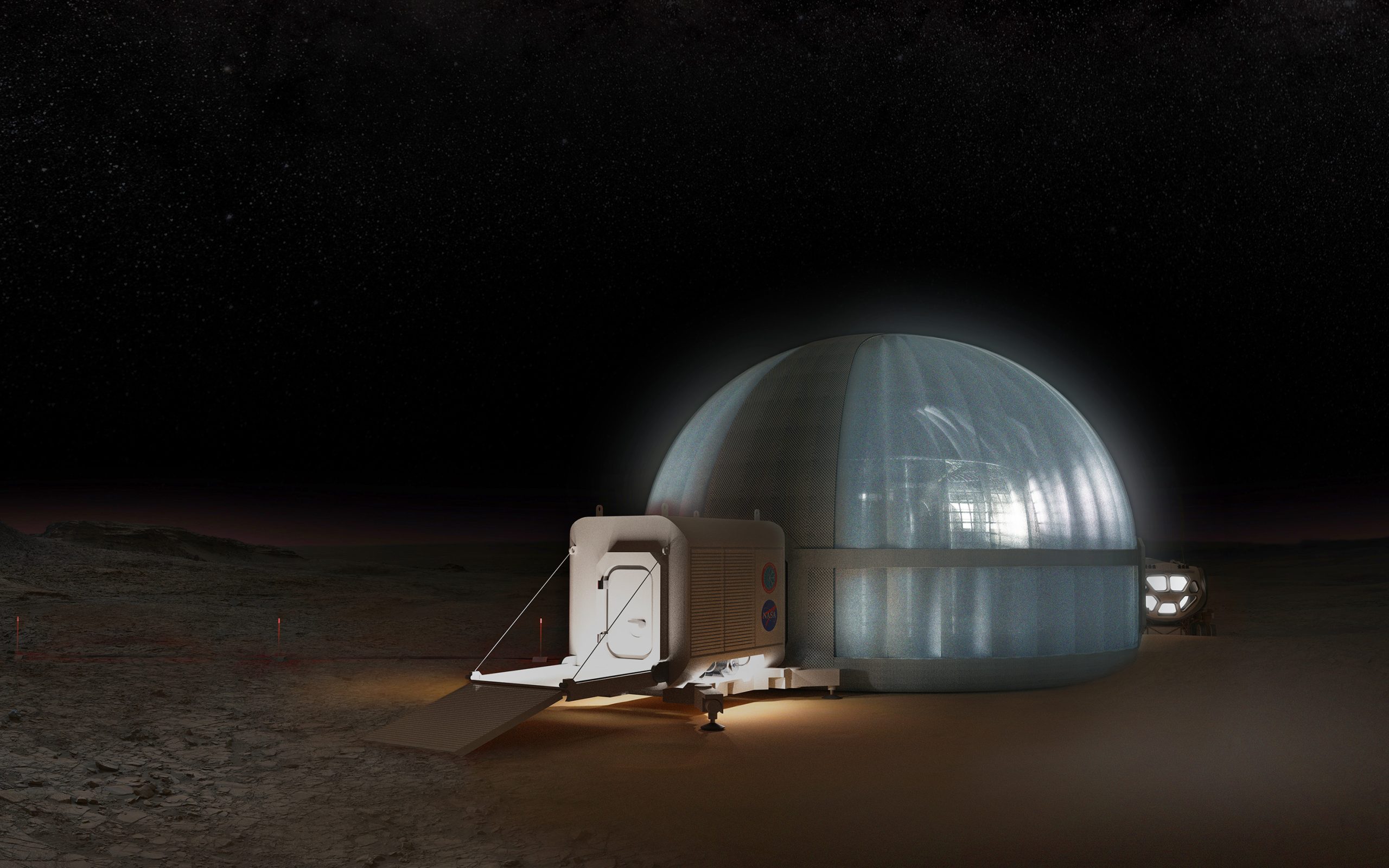

Mars has captured humanity’s imagination for centuries — a distant red neighbor in the night sky, a world once thought to be teeming with canals and perhaps even life. Today, with spacecraft actively exploring its surface and agencies planning human missions in the coming decades, one of the most pressing questions is: Is Mars weather fatal for explorers? On Earth, we worry about storms and heat waves. On Mars, the hazards are far more exotic — and far more unforgiving. This comprehensive article will delve into the Martian environment with scientific depth and clear explanations, answering whether the Red Planet’s weather truly threatens human explorers and how — if at all — we might survive it.
Understanding Mars as a Planet
Mars is a terrestrial planet with a day length similar to Earth’s — about 24.6 hours — and evidence that flowing water once shaped its ancient surface. But outside that familiar rhythm, its environment is alien. The atmosphere is nearly a vacuum compared with Earth’s, composed mainly of carbon dioxide, with trace amounts of nitrogen and argon. The atmospheric pressure on Mars is less than 1% of Earth’s, meaning there’s almost no air to breathe or block hazards like radiation.
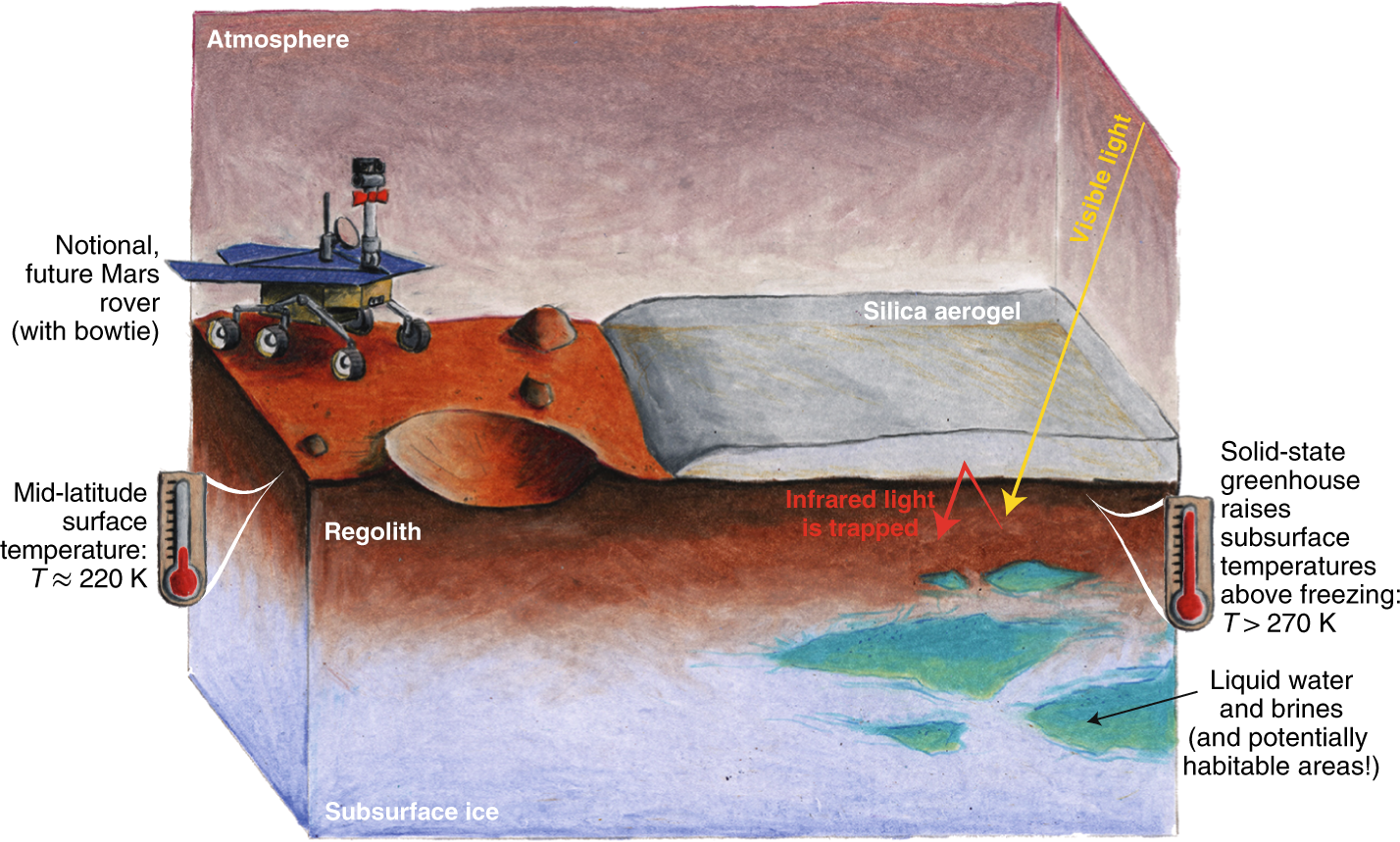
Average temperatures on Mars swing wildly: around −81°F (−63°C) on average, but plunging as low as −195°F (−125°C) at the poles and barely climbing above freezing near the equator during midday. This is because a thin atmosphere cannot retain heat; without significant insulation, Mars cools rapidly when the sun sets.
These baseline conditions — extreme cold, a tenuous atmosphere, and no protective magnetic field — set the stage for weather that would be fatal without significant protective technology.
Thin Atmosphere — A Dual Threat
One of the most defining characteristics of Martian weather is the thin atmosphere — only about 1% as dense as Earth’s, dominated by CO₂. This has multiple consequences for explorers: it provides almost no breathable air, offers little thermal insulation, and fails to block harmful radiation from space.
First, breathing is impossible without life support. Human lungs are not designed for CO₂ and near-vacuum pressures; specialized pressure suits and habitats are essential just to stay alive.
Second, the lack of atmospheric insulation means extreme temperature fluctuations, which stress equipment and human physiology alike. Third, the thin atmosphere results in minimal shielding from solar ultraviolet (UV) and cosmic radiation, which reaches the Martian surface at levels far beyond anything on Earth.
Without robust shielding, a human exposed to Martian surface conditions would suffer severe radiation damage in a short time — possibly fatal over extended periods.
Martian Temperature Extremes
Mars’ temperature swings are not just cold — they are erratic.
During the day, especially near the equator, sunlight can warm the surface to a relatively tolerable temperature; but nights are brutal. Without a thick atmosphere, nothing retains heat once the sun sets. Temperatures may drop by more than 100°C in a matter of hours.
For human explorers or habitats, these swings present serious engineering and biological challenges:
- Spacesuit engineering must handle massive temperature gradients without failure.
- Habitat systems must regulate internal temperatures constantly.
- Biological stress on the human body fighting severe cold can impair functioning or lead to hypothermia without advanced thermal regulation.
Mars does have seasons like Earth, because of its axial tilt. Seasonal changes influence surface temperatures and weather patterns, including dust lifting and storms, further complicating life there.
Dust Storms: The Red Planet’s Wrath
One of the most dramatic and famous aspects of Martian weather is its dust storms. These are not like Earth’s thunderstorms — they can cover nearly the entire planet, lasting for weeks or even months.
Dust on Mars is composed of fine particles, easily lifted by wind. But despite the thin atmosphere, winds can reach surprisingly high speeds — up to tens of meters per second — and in localized phenomena known as “dust devils,” even faster. Recent studies catalogued over 1,000 such whirlwinds with wind speeds approaching 98 mph (158 km/h). Yet due to the thin air, their physical force on an object is weaker than a similar wind speed on Earth.
Even so, dust storms are formidable:
- They reduce sunlight, hindering solar panels and cooling systems.
- They generate static electricity, which can affect electronics.
- Dust adheres to surfaces — spacesuits, airlocks, solar panels — causing mechanical wear and contamination.
- Dust in habitats could impact respiratory health if it enters living spaces.
Martian dust is also toxic: it contains perchlorates and other chemical components that can pose health risks if inhaled. Prolonged exposure would require effective filtration systems in habitats and airlocks.
Thus, while dust storms might not literally blow an astronaut off the planet, they can degrade vital systems, reduce power generation, contaminate habitat environments, and pose real threats to long-term survival.
Radiation: The Invisible Killer
On Earth, the magnetic field and thick atmosphere protect life from the sun’s harmful radiation. Mars has neither. Its global magnetic field collapsed billions of years ago, and the remaining atmosphere offers scant shielding.
This means two major sources of dangerous radiation reach the surface:
- Solar UV radiation — capable of damaging skin and DNA.
- Cosmic rays and solar energetic particles — high-energy radiation that can penetrate the body and increase cancer risk.
NASA measurements suggest surface radiation levels are significantly higher than on Earth, and could exceed safety limits for long-duration missions in just a few years — even in shallow underground habitats.
Long-term exposure without adequate protection can lead to:
- Increased cancer risk.
- Acute radiation sickness in extreme events.
- Central nervous system effects.
- Compromised immune responses.
This radiation threat is arguably the most significant weather-related hazard to human explorers and colonists.
Winds and Atmospheric Dynamics
Even though the atmosphere is thin, wind patterns still play a critical role in Martian weather. Mars has weather stations on rovers like Curiosity that measure humidity, pressure, wind speeds, and UV radiation, helping scientists understand daily atmospheric fluctuations.
Winds on Mars are key in driving dust storms, lifting particles that alter climate and weather. The combination of temperature variations, solar heating, and pressure gradients creates turbulent atmospheric dynamics. Snow and ice clouds of water vapor sometimes form, mainly during periods far from perihelion, adding complexity to the Martian climate.
For explorers, understanding these wind patterns is essential for:
- Landing calculations.
- Solar panel positioning.
- Habitat orientation.
- Dust mitigation planning.
The Myth of “Martian Hurricanes”
A common misconception persists that Mars has violent storms like hurricanes or tornadoes akin to Earth. This is not accurate. The energy driving such storms on Earth comes from warm ocean surfaces and dense atmospheric convection — conditions absent on Mars.
Martian storms are slow-moving dust events driven by solar heating and surface winds. Their sheer size can be staggering, but they are not violent in the sense of Earth’s storm systems.
Therefore, explorers are less likely to face sudden catastrophic wind force like an Earth hurricane — but the dust-filled skies and reduced visibility during a dust storm are serious obstacles to operations.
Human Survival Strategies
Given all these extreme weather hazards, how could humans possibly survive on Mars? Fortunately, scientists and engineers are actively developing potential solutions.
1. Protective Habitats
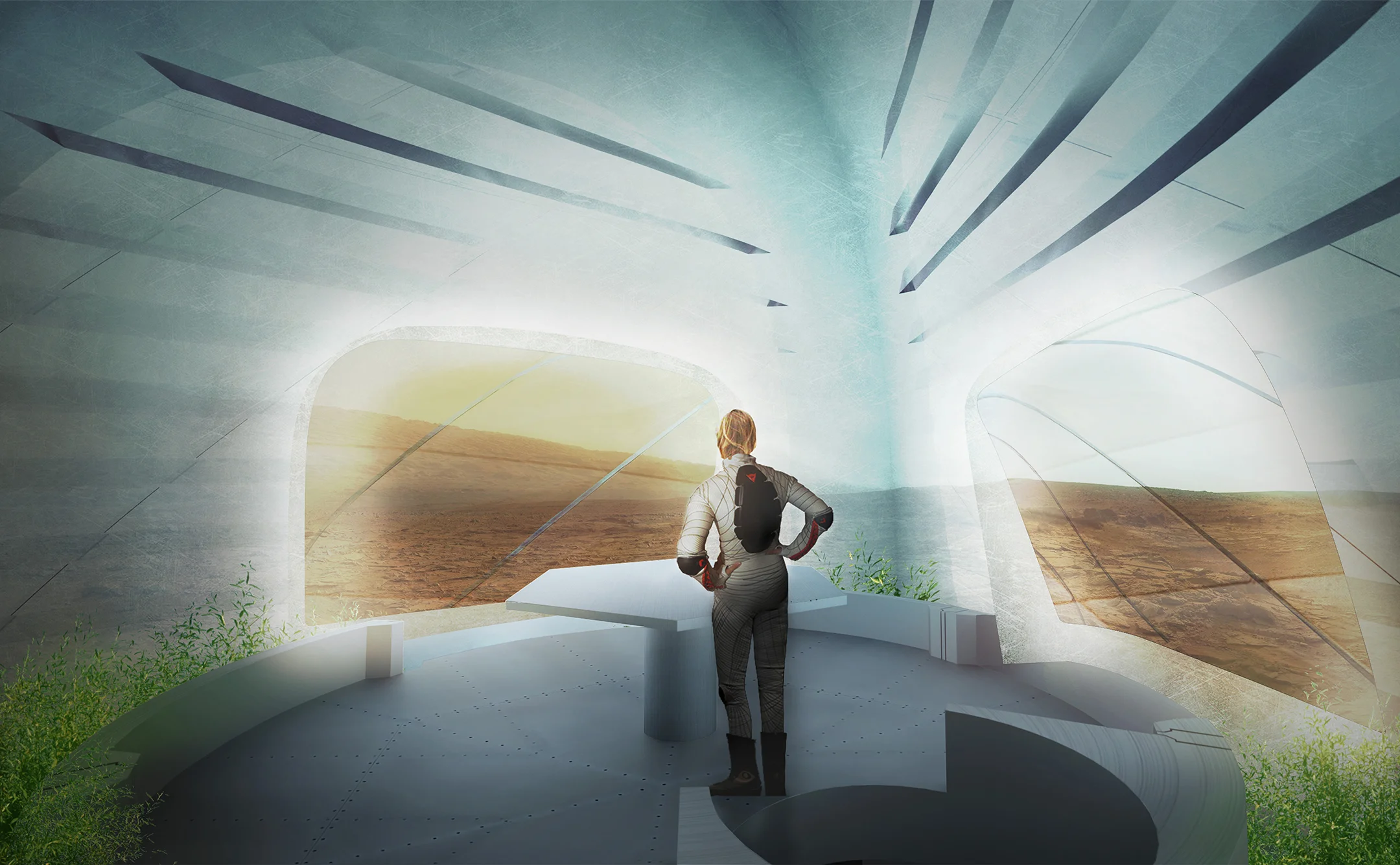
Human habitats must be thermally insulated, radiation shielded, and airtight. Possible strategies include:
- Building structures partially submerged in Martian soil (regolith) to provide natural radiation protection.
- Using water or specialized materials as shielding layers.
- Designing airlocks with mud room zones to clean off dust before entering living spaces.
2. Advanced Spacesuits
Spacesuits for Mars will need:
- Pressurization systems to simulate Earth-like atmospheric pressure.
- Thermal regulation for extreme temperature swings.
- Dust-repellent surfaces and effective seals.
- Radiation shielding integrated into fabrics.
These suits are far more complex than those used on the Moon or ISS.
3. Subsurface Shelters
Underground habitats in lava tubes or dug-out shelters could drastically reduce exposure to radiation and temperature extremes, leveraging natural rock for protection.
4. Local Weather Forecasting
Just as weather forecasts aid Earth explorers, Martian weather forecasting using data from orbiters and surface stations will be crucial for planning activities and minimizing exposure.
The Fatal Threshold: Is Mars Weather Lethal?
So, does Mars weather qualify as fatal to human explorers?
The short answer: yes — without protection.
Mars’ surface conditions are so hostile that an unprotected human would almost certainly perish within minutes to hours due to:
- Lack of atmospheric pressure and breathable air.
- Severe radiation exposure.
- Extreme cold and temperature swings.
Even with protection, the threats persist. Dust storms can disrupt power and systems, radiation can accumulate over time, and temperature extremes strain equipment.
But with careful planning, advanced engineering, and smart use of environmental data, these hazards become manageable — not insurmountable.
Mars’ weather doesn’t kill by itself; it kills without preparation.
Preparing for the Martian Future
Scientists worldwide are studying Martian weather with unprecedented detail. Missions like NASA’s Perseverance rover and other orbiters and landers are collecting data that help model Martian climate and surface conditions, so future explorers will know what they are dealing with.
Understanding dust cycles, temperature trends, wind patterns, and radiation levels is essential for designing habitats, suits, and mission protocols.
As we move closer to putting humans on Mars, the weather will not be an unknown foe — but it will remain among the greatest challenges human space explorers will ever face.