








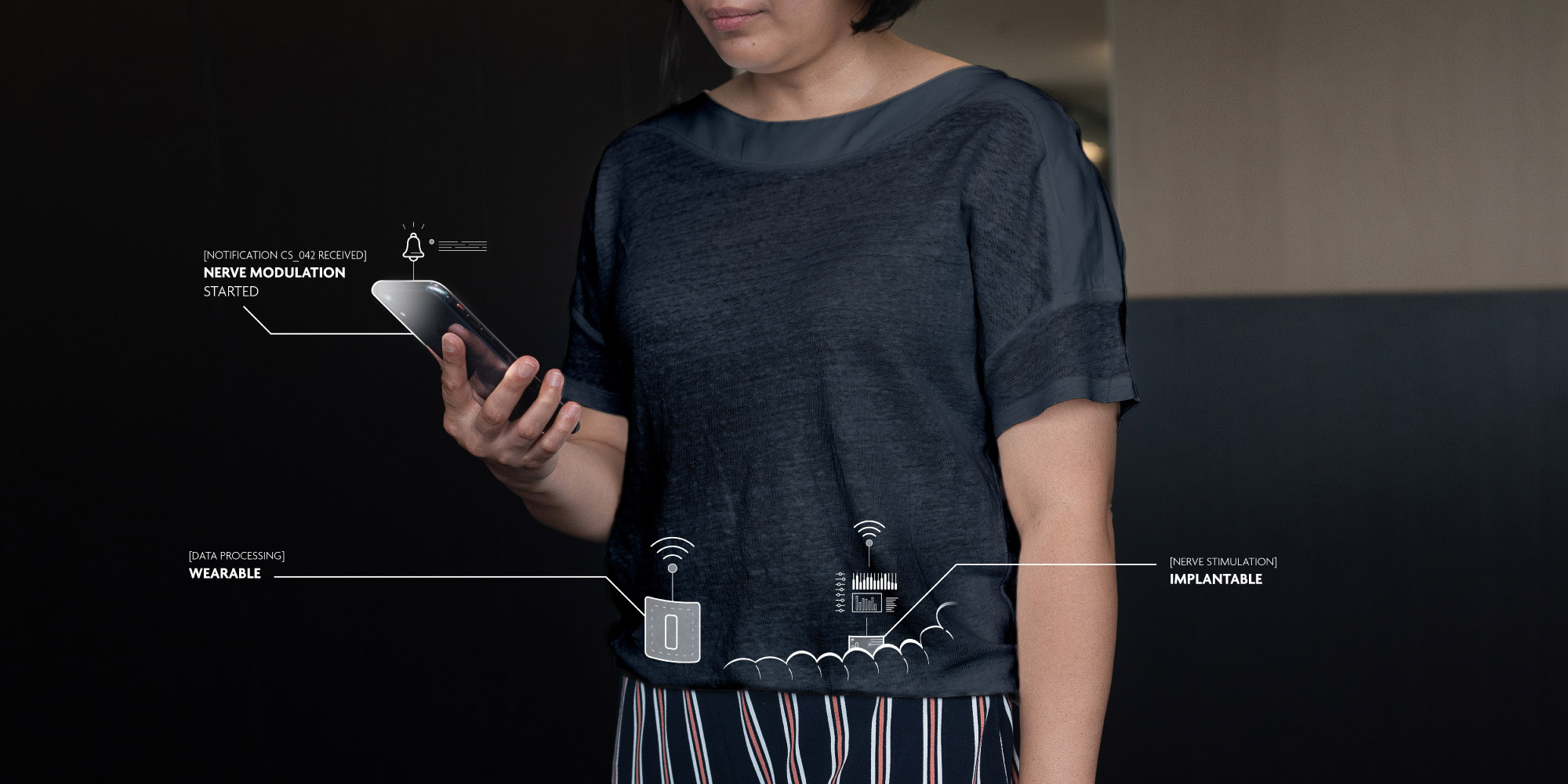

In the landscape of modern technology and health innovation, few questions spark as much imagination — and controversy — as this: Will smart implants outperform smart watches? On the surface, the question looks almost absurd: one is a gadget you strap on your wrist; the other is a surgically embedded device communicating directly with your biology. But beneath surface simplicity lies a profound story about the evolution of human‑centric technology, risk vs. reward, and the transformation of healthcare as we know it.
In this exploration, we’ll unpack the true capabilities of smart implants and smart watches, explore how each technology impacts health and lifestyle, and assess whether implants really have the potential to outperform wearables in the near future. Along the way, we’ll highlight key innovations, real‑world use cases, challenges, and why both technologies may coexist in harmony — rather than compete in a zero‑sum game.
1. Evolution of Smart Devices: A Tale of Two Technologies
Modern health tech has two major branches: external wearables and internal implantables. Wearables — especially smart watches — exploded into mainstream consciousness in the 2010s. By combining sensors, connectivity, and compute power, these devices began tracking heart rate, steps, sleep, workouts, and even ECG data right from our wrists. Smart watches helped democratize health awareness — letting consumers monitor their bodies anywhere, anytime.
Smart implants, on the other hand, have a longer but quieter history rooted in medicine. Pacemakers, cochlear implants, and deep brain stimulators were among the early generations of implantable tech that helped patients survive and function. But the latest wave of smart implants goes far beyond basic medical support.
Today’s implants embed sensors, microelectronics, wireless connectivity, and even AI‑driven monitoring systems directly inside the body. These devices collect physiological data in real time, provide targeted therapy (not just monitoring), and open new doors for personalized medicine far beyond what any wrist‑worn gadget could achieve.
2. Smart Watches: The Ubiquitous Health Companion
Smart watches have become a staple in the consumer electronics ecosystem. According to market research and industry sales figures, smart watches are the dominant wearable segment, shipping tens of millions of units globally and growing year after year.
2.1 What Smart Watches Can Do
Smart watches excel at continuous, non‑invasive health monitoring. They typically offer:
- Heart rate monitoring
- Blood oxygen (SpO2) and ECG tracking
- Sleep analysis
- Activity and fitness tracking
- Notifications, apps, and mobile connectivity
These capabilities deliver actionable insights for wellness, fitness, and even early detection of irregularities. Devices like the Apple Watch, Fitbit, Garmin, and Empatica’s medical versions have helped users spot cardiovascular anomalies or irregular respiratory patterns before symptoms become serious.
The beauty of smart watches lies in their user accessibility — no surgery, zero downtime, and instant feedback. For most consumers, they’re the first introduction to quantified health.
2.2 Limitations of Smart Watches
However, smart watches have inherent limitations:
Battery life and charging — Most devices require daily or every‑few‑day charging cycles, which can interrupt continuous monitoring and decrease user compliance.
Depth of data — Surface sensors can only measure what they can see from the skin’s surface. While innovative algorithms can infer patterns, they can’t access internal physiology directly, so accuracy has bounds.
Potential interference with implants — Studies have shown that some wearables that use bioimpedance or electrical sensing can interfere with cardiac implants like pacemakers or defibrillators. While the risk is still under clinical study, the potential conflict underscores limitations of external devices interfacing with internal medical systems.
Lifestyle fatigue — Some people find wearing devices uncomfortable or intrusive — especially while sleeping — and many users abandon wearables after initial enthusiasm wanes.
3. Smart Implants: Deep Integration, Deep Insight
Smart implants take health technology inside the body, transforming monitoring and therapeutic interventions in ways external devices simply can’t match.
At their core, smart implants are implantable devices equipped with sensors and microprocessors that can measure physiological parameters directly from within tissues or organ systems, and transmit that data to external systems for analysis.

3.1 The Advantages Implants Bring
Direct, real‑time measurement:
Because they’re inside the body, implants can measure biomarkers, pressures, electrical signals, and more — with precision and continuity that wearables cannot provide.
Extended duration without user action:
Once implanted, these devices can operate for years without daily user interaction — eliminating the compliance issues typical of wearables.
Therapeutic capability:
Some implants don’t just monitor — they intervene. For example, smart neurostimulators can regulate nerve signal patterns to address chronic pain, and advanced pacemakers can adjust pacing patterns based on real‑time feedback.
Biofeedback for personalized treatment:
The richest advantage lies in data depth and relevance. Internal sensors can monitor conditions such as joint strain after surgery, implant stability, or biochemical changes, offering clinicians a real‑time window into patient recovery and health.
3.2 Examples of Smart Implants in Use
There are already impactful smart implants in clinical use or advanced research stages:
- Cardiac rhythm management devices: Smart pacemakers and defibrillators that monitor heart activity and communicate with clinicians wirelessly.
- Orthopedic smart implants: Knee and hip replacements equipped with motion sensors and accelerometers help surgeons track recovery and biomechanical performance from within the joint.
- Cochlear implants: Electronic devices that restore hearing by directly stimulating auditory nerves.
- Myoelectric sensors: Implanted sensors can interpret muscle activation levels and help control prosthetic limbs or assistive robotics.
These aren’t futuristic fantasies — they’re today’s clinical reality.
3.3 Market Trajectory and Growth
Smart implants are predicted to grow into one of the most dynamic segments of medical technology, with markets expanding significantly in the coming decade. Market research highlights robust CAGR figures for implants as clinical use expands into chronic diseases and personalized care.
4. Side‑by‑Side Comparison: What Matters Most
Now we come to the heart of the question: Will smart implants outperform smart watches? To answer this, we must compare them across key dimensions.
4.1 Accuracy & Clinical Value
Smart implants win hands‑down in clinical precision.
Because they access physiology directly, they can offer higher fidelity metrics, detect subtle internal changes, and support medical decision making.
Smart watches are valuable for general health tracking — but their measurements are typically derived from surface sensors and inference models, making them less clinically sensitive.
4.2 User Experience & Accessibility
Smart watches clearly lead here.
No surgery, no recovery, instant adoption. Anyone with a smartphone can buy a wearable off‑the‑shelf. Conversely, implants require invasive procedures, medical oversight, and often significant costs.
For general wellness and population‑level health monitoring, wearables will remain more accessible and less intimidating for most consumers.
4.3 Risk Profile
Implants introduce surgical and biological risks — from infection and device rejection, to challenges with long‑term biocompatibility and device longevity. Cybersecurity also emerges as a unique concern: implants that transmit data are susceptible to intrusive threats unless rigorously secured.
Smart watches face far less risk — aside from privacy or data security issues — because their failure or disruption doesn’t directly threaten a user’s health.
4.4 Impact on Healthcare Outcomes
Here, implants have the potential to outperform smart watches, because they can:
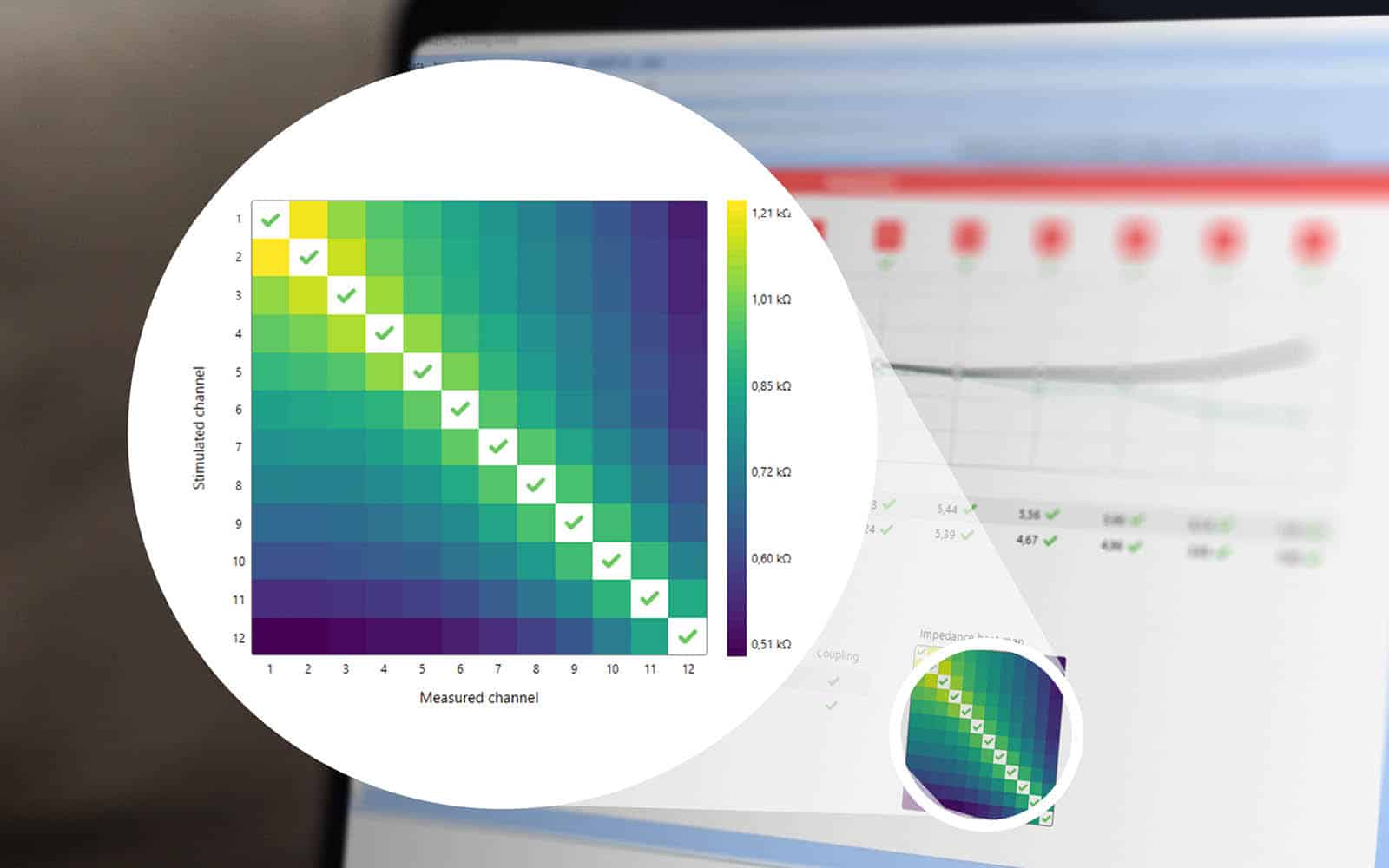
- Detect internal physiological changes earlier than wearables can.
- Adjust therapy dynamically (closed‑loop systems).
- Reduce healthcare costs by preventing complications and minimizing repeated hospital visits.
Smart watches help anyone track health trends and adopt healthier lifestyles — but they don’t yet influence direct clinical treatment in the same way implants do.
5. Synergy, Not Replacement
Rather than seeing this as a competition, it’s useful to view smart wearables and implants as parts of an integrated health technology ecosystem.
5.1 Complementary Roles
Wearables serve as universal health monitors that empower millions with insights into their day‑to‑day physiology.
Implants serve specialized medical contexts, providing deep clinical data and therapeutic functions where needed.
Some visions of future healthcare propose hybrid systems — body area networks in which wearables and implants work together, sharing data and informing each other to deliver richer insight and better outcomes.
5.2 A Continuum of Care
In this vision, a smartwatch might continually monitor general health trends. If an anomaly is detected, it could trigger deeper diagnostic routes that involve smart implants or clinical assessment.
Over time, as implantable technologies become safer, smarter, and more accepted, it’s conceivable that they become part of the extended health toolkit — not replacing wearables, but augmenting them.
6. Challenges That Lie Ahead
Despite the enormous promise of smart implants, several critical challenges remain before they can fully outpace wearables in broad impact:
6.1 Regulatory & Ethical Hurdles
Implants require strict regulatory oversight for safety and efficacy. Approvals can take years, and ethical considerations about consent, data usage, and patient autonomy remain unresolved.
6.2 Privacy & Cybersecurity
Smart implants that communicate wirelessly must be secured against breaches. Unauthorized access to internal device data or control mechanisms could have serious health implications.
6.3 Long‑Term Biocompatibility
Ensuring that implants remain safe and stable inside the body over years is non‑trivial, especially when tissue degradation, immune responses, or mechanical wear come into play.
6.4 Cost & Access Inequality
Implants typically involve hospital procedures and specialized care, making them expensive compared to consumer wearables. Without equitable healthcare frameworks, access could be limited to wealthier populations.
7. The Future: Implants, Wearables, and Beyond
Looking forward, the potential for smart implants to outperform smart watches depends on the context of measurement, purpose, and user needs.
For general wellness and everyday health awareness, smart watches remain the king of accessibility.
For clinical precision, therapeutic action, and advanced medical intelligence, smart implants have already begun to redefine what’s possible — and their trajectory suggests continued expansion into areas like chronic disease management, postoperative monitoring, and even cognitive support.
In the next decade, we may see AI‑enhanced implant systems, bio‑integrated sensors with self‑powering mechanisms, and seamless data integration across mobile, clinical, and cloud platforms. At that point, smart implants won’t just complement smart watches — they will form the backbone of a new era in personalized medicine.
What’s certain is this: the age of health tech is not about choosing one over the other. It’s about building a continuum of intelligent devices that extend the capabilities of the human body, improve outcomes, and give individuals — and clinicians — better tools than ever before.