








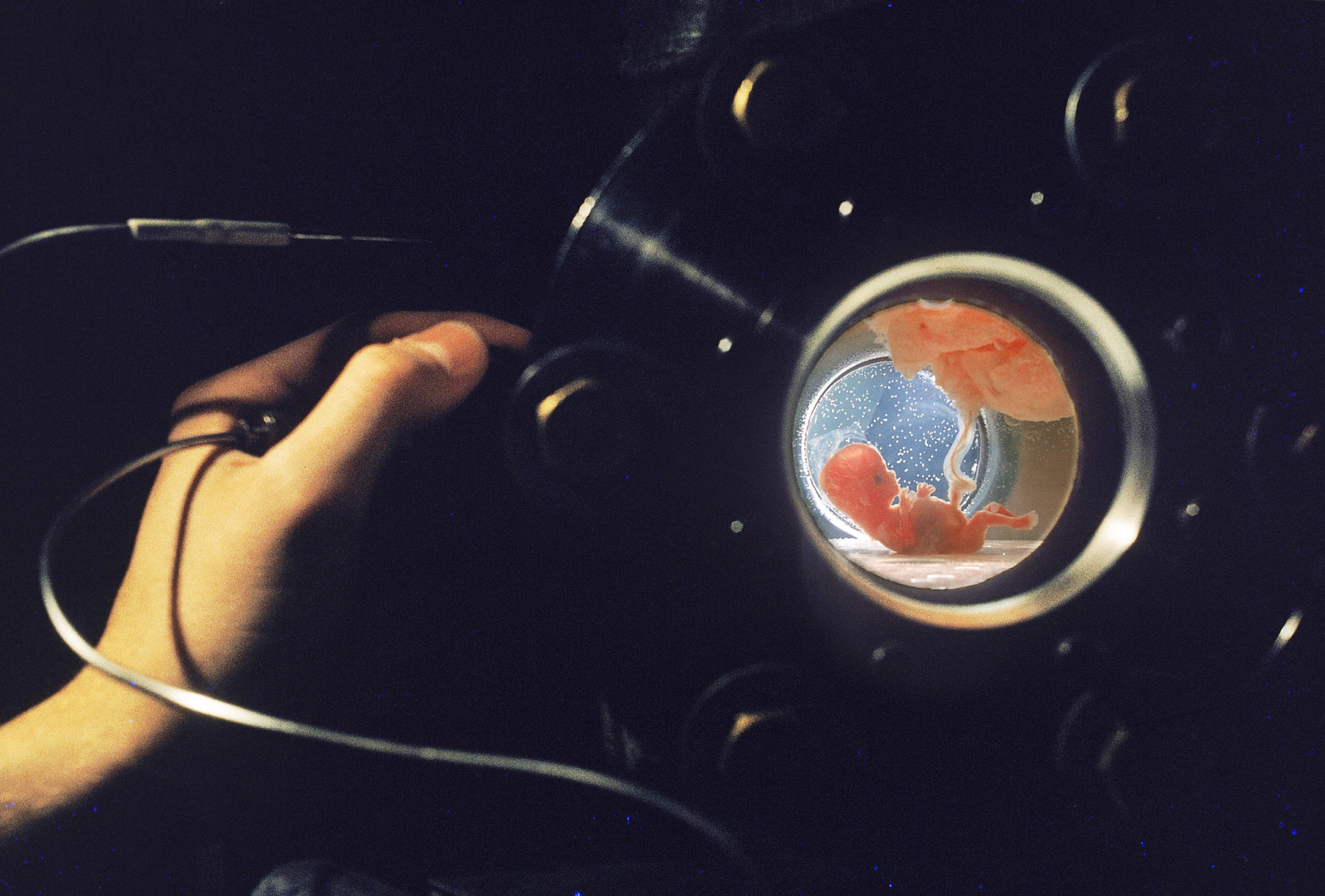

In the ever‑evolving landscape of reproductive science, one emerging frontier is capturing both awe and controversy: artificial wombs. Once relegated to science fiction, devices that mimic the human uterus and sustain fetal development outside the maternal body are rapidly progressing from theoretical speculation toward real‑world application. Known scientifically as ectogenesis or extracorporeal gestation, this technology could reshape not only neonatal medicine but also core concepts of gender, family, and what it means to be a parent.
In this article we’ll explore the science, ethical complexities, legal implications, social and psychological dimensions, and the profound ways artificial wombs might redefine parenthood as we know it.
From Incubator to Ectogenesis: What Artificial Wombs Are
Artificial womb devices are engineered systems designed to replicate the conditions of the human uterus—maintaining fluid environments, providing oxygen and nutrients, and supporting steady physiological development outside the body. Early prototypes such as biobag models have successfully sustained preterm lamb fetuses, preserving normal growth markers in a fluid‑based environment that mimics natural gestation. These advancements are the result of decades of research in perinatal care, neonatal intensive support, and biomedical engineering.
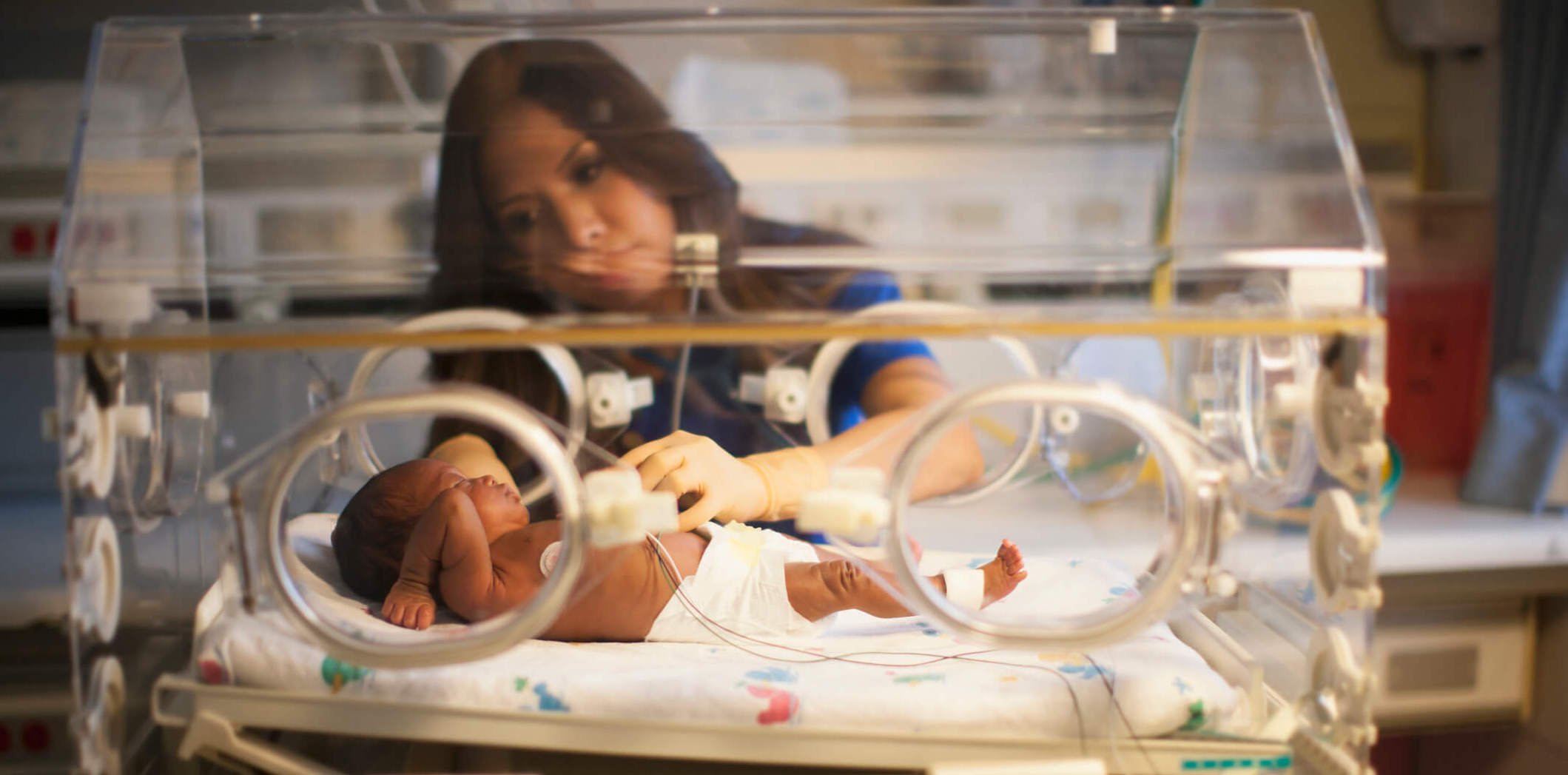
Today’s primary research focuses on partial ectogenesis—supporting extremely preterm infants (often between 22–24 weeks gestational age) who face high risks of mortality and long‑term disability. The technology aims to offer a more physiologically natural environment than traditional incubators, potentially reducing complications and improving outcomes for infants born at the margins of viability.
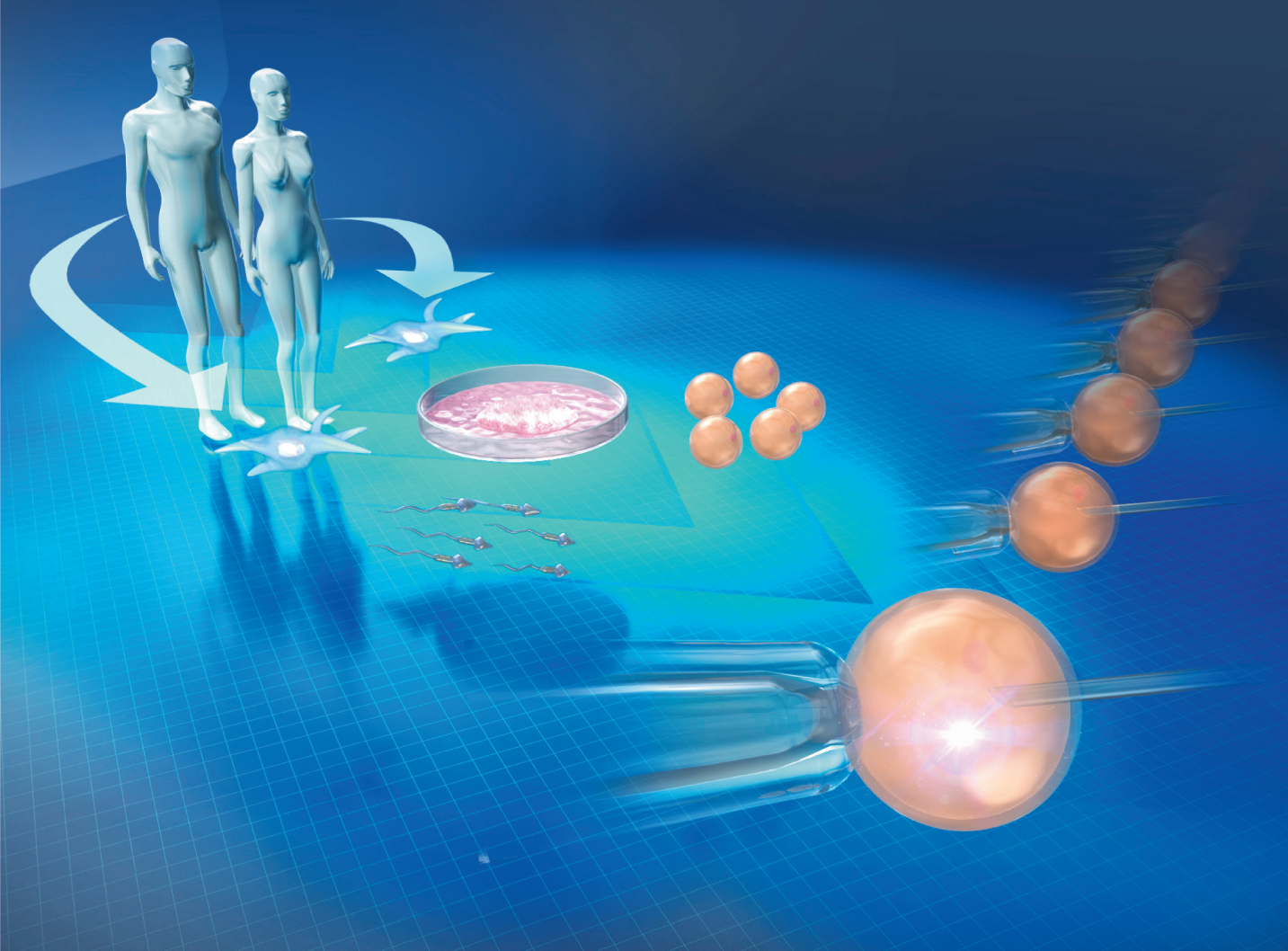
While complete ectogenesis—gestating a human from conception to term entirely outside a uterus—remains distant, the trajectory of research and technological refinement suggests that the conversation is shifting from pure speculation toward serious scientific, legal, and ethical planning.
The Science Behind the Technology
At its core, an artificial womb system must accomplish several biological feats:
- Fluid Environment Replication: It must preserve a liquid‑filled environment that keeps fetal lungs developmentally engaged while preventing premature air breathing.
- Oxygenation and Nutrition Transfer: Like a placenta, artificial systems must facilitate gas exchange and nutrient delivery without disrupting delicate fetal physiology.
- Sterile, Regulated Support: The system must guard against infection while allowing for clinical monitoring and intervention when needed.
Recent platforms such as EXTEND and Perinatal Life Support (PLS) use sophisticated mechanical engineering and modular designs to sustain early gestational growth, with AI‑assisted monitoring helping clinicians track vitals and adjust environmental parameters.
Despite progress, significant technical hurdles remain: umbilical cannulation, maintaining persistent sterility, replicating maternal endocrine signals, and understanding long‑term neurodevelopmental impacts are all unresolved challenges.
Parenthood Reimagined: The Human Dimension
Artificial wombs provoke profound questions about parenthood—biological, legal, and emotional.
Who Is a Parent?
Traditionally, the person who carries a pregnancy is automatically recognized as the genetic mother and, socially, the parent. But if gestation happens outside a body:
- Does biological gestation define motherhood?
- Does the person or persons who provide genetic material become the parent by default?
- What about situations involving donors or genetic proxies?
These questions have no simple answers, and legal systems worldwide will need to revisit definitions of maternity, paternity, and parental rights long before complete ectogenesis becomes commonplace.
Bonding and Attachment
The maternal–fetal bond—rooted in hormonal, psychological, and physical experiences of pregnancy—is currently unparalleled in human development. Critics of artificial wombs argue that removing this experience could impact early attachment or alter the way children perceive their origins. Concerns include the psychological impact on children and parents when traditional gestational experiences are absent, and whether an artificial environment could replicate sensory or emotional elements now associated with pregnancy and birth.
Proponents counter that parent–child bonds form through postnatal interaction, care, and emotional investment, not simply gestational biology. They envision alternative pathways to intimacy—where caregiving and presence define parenthood far more deeply than biology alone.
Ethical and Legal Battlegrounds
Artificial wombs intersect with some of the most contentious arenas in bioethics and legal theory.
Autonomy and Consent
In partial ectogenesis scenarios—for instance, transferring a viable fetus to an artificial womb—issues of informed consent become intense. Who makes the decision? Under what circumstances should the technology be offered or withheld? These questions extend beyond medicine into bioethical debate about autonomy and agency.
Fetal Personhood and Moral Status
When a developing entity exists outside the uterus yet is not yet born, what is its moral and legal status? Some scholars argue that these entities should be considered patients, deserving similar protective duties as newborns. Others suggest artificial womb entities represent a new category entirely—raising questions about rights, protections, and ethical obligations.
Abortion Rights and Reproductive Choice
One of the most polarizing debates centers on abortion. If ectogenesis allows a fetus to be transferred to an artificial womb instead of terminated, traditional arguments for bodily autonomy in abortion rights could be reframed. Advocates of abortion access argue that choice must remain central and that ectogenesis should not be used to coerce continuation of pregnancies.
Equity and Access
Emerging technologies often arrive with high price tags, and artificial wombs are no exception. Early on, these systems will likely be expensive, complex, and institutionally controlled, raising fears that only the wealthy or privileged will benefit, exacerbating existing reproductive inequities.
Social and Cultural Ripples
Beyond law and medicine, artificial wombs touch on cultural identities, gender norms, and societal roles.
In feminist theory, artificial wombs have been discussed as potential tools for gender equality—freeing women from the physical burdens of pregnancy and enabling a more level playing field in work, politics, and societal participation. On the other hand, some feminists warn that removing biological pregnancy could undermine cultural appreciation for women’s reproductive experiences and inadvertently devalue motherhood.
Religious perspectives vary widely—from viewing artificial wombs as tools of liberation to seeing them as affronts to natural or divine processes of life creation. In some traditions, technology enabling gestation outside the body may be conditionally permitted when it saves lives or reduces harm, while being restricted in contexts intended to circumvent natural biology.
The Future of Parenthood
If artificial wombs reach clinical viability, parenthood could be redefined in several key ways:
- Expanded Access to Biological Children: People who cannot carry pregnancies due to medical conditions could potentially have genetically related children without surrogacy or uterine transplant.
- Rethinking Family Structures: Parenthood may decouple from biological gestation, empowering diverse family structures—including same‑sex couples, single parents by choice, and non‑binary families.
- New Norms Around Pregnancy: Traditional rites of passage associated with pregnancy, childbirth, and early bonding may evolve into new cultural forms of welcoming life.
- Ethical Norms Around Reproduction: Laws and policies will need to reflect not only the rights of parents but also the rights and welfare of children gestated through novel means.
- Social Equity Considerations: Ensuring equitable access will be critical to prevent this technology from amplifying socioeconomic divides.
The journey toward these futures will not be straightforward. It will require interdisciplinary collaboration among scientists, ethicists, lawyers, policymakers, and the public to navigate the promises and pitfalls responsibly.