







Introduction: Let’s Get Bright about Cellular Healing
In the glittering world of wellness gadgets and biohacking trends, red light and infrared (IR) panels have claimed a spotlight rivaled only by cold plunges and cryo chambers. Promised benefits range from faster wound healing and anti‑aging skin effects to deeper cellular regeneration and even neuroprotective advantages. But here’s the million‑dollar question:
Are red light and infrared panels actually healing your cells — or is it just another wellness mirage?
The short answer: there is real science behind the claims — but not all lights, devices, or outcomes are created equal. Long answer? Let’s unpack how it works, what the current evidence truly shows, and where the hype meets hard biology.
This article will walk you step‑by‑step through the cellular mechanisms, evidence from clinical research, real‑world uses, limitations, and a science‑grounded verdict on whether red light and infrared panels really help your cells heal.
What Are Red Light and Infrared Panels?
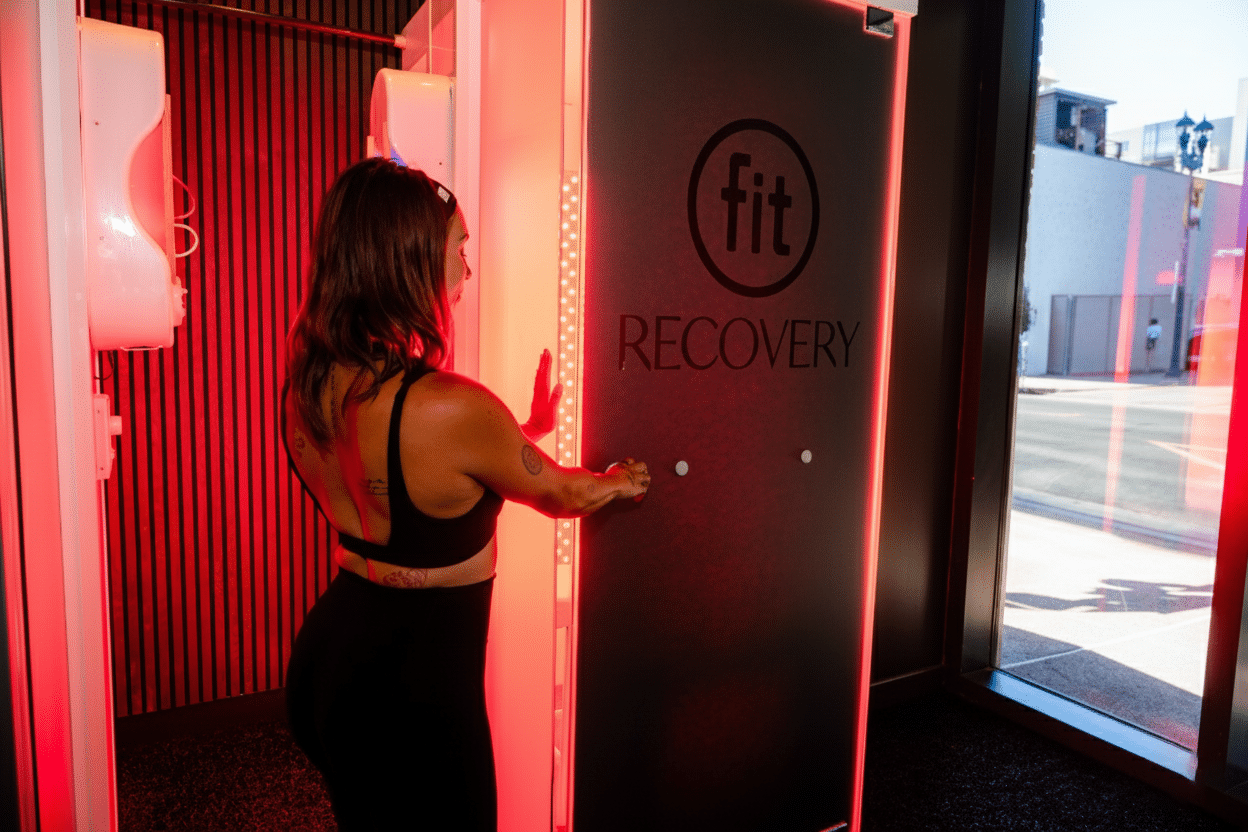
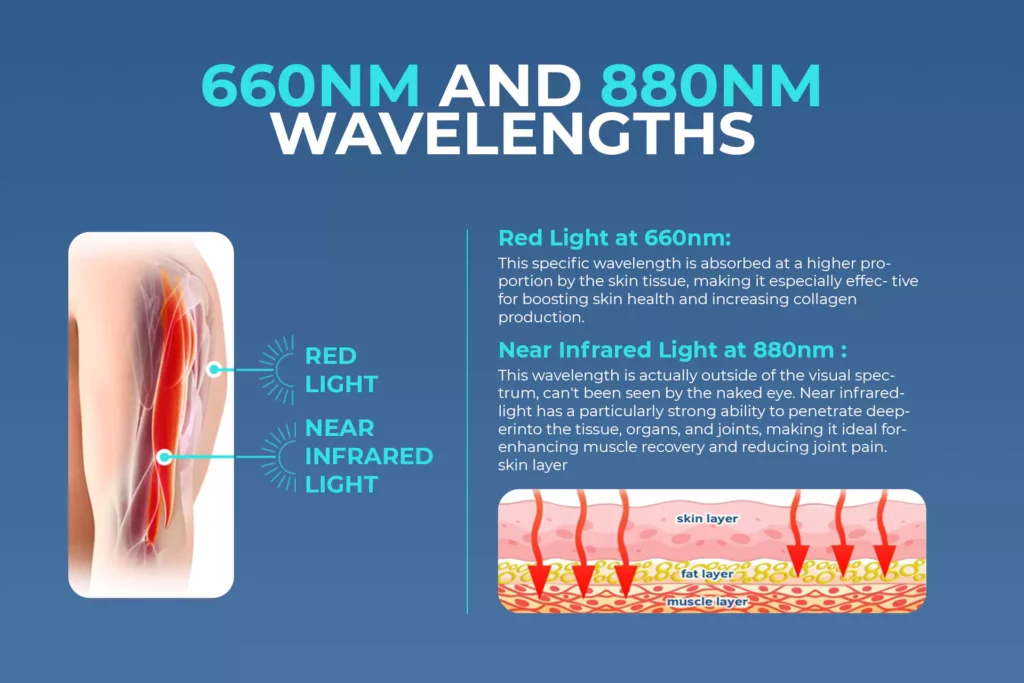
Red light and near‑infrared (NIR) panels emit wavelengths of light that do not burn skin or damage DNA like ultraviolet radiation does. Instead, these wavelengths — typically between ~600 and 900 nanometers (nm) — pass into tissues and interact with cells in ways that may influence cellular metabolism.
To understand how these lights might be healing cells, we first need to peek inside the tiny powerhouses of your body: the mitochondria.
The Cellular Mechanism: How Light Affects Cells
1. Photobiomodulation — The Heart of the Matter
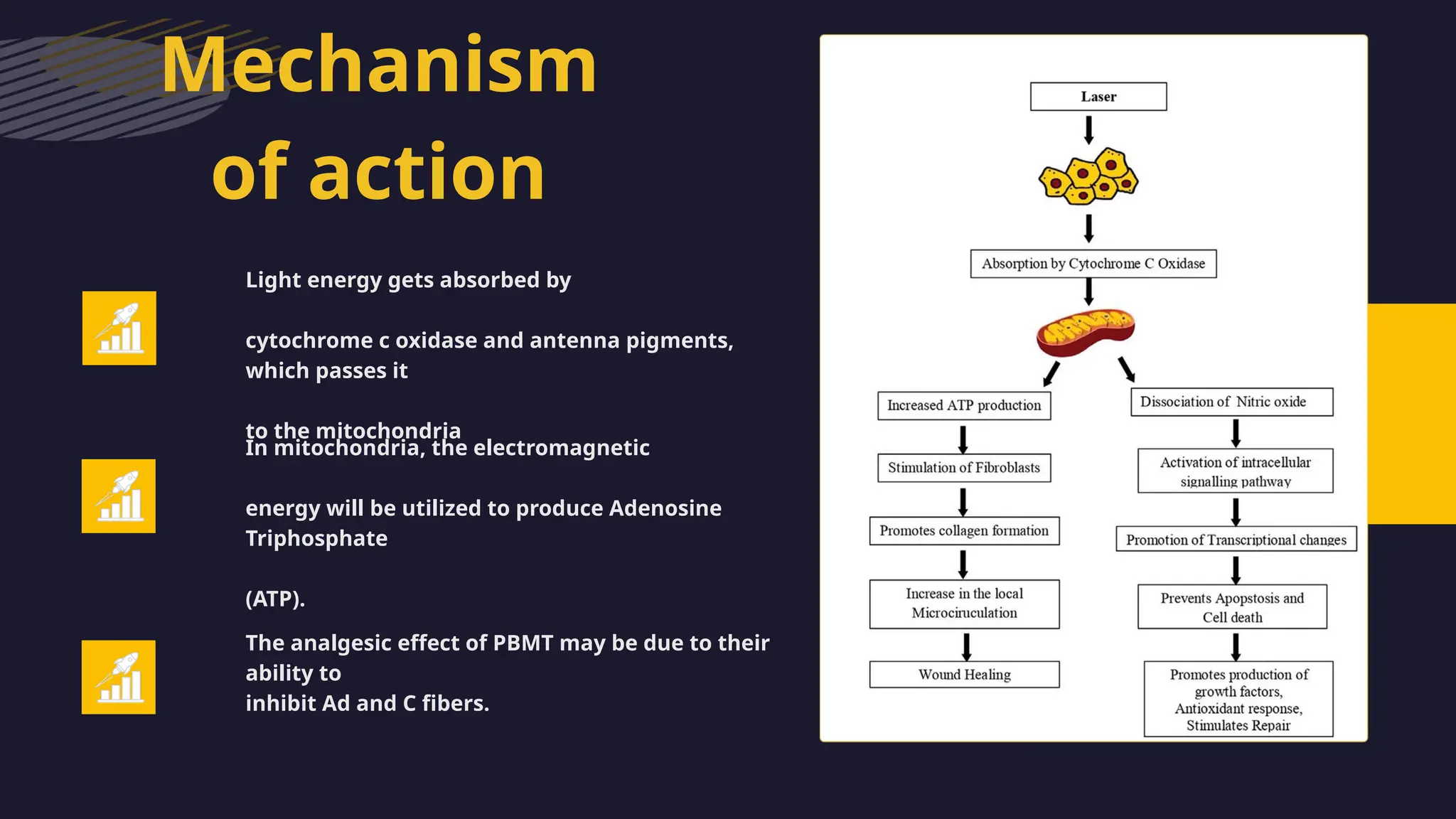
The central mechanism underlying red light and infrared therapy is called photobiomodulation (PBM). In simple terms, this means that specific wavelengths of light can change how cells behave — particularly at the mitochondrial level.
Inside cells, a key enzyme named cytochrome c oxidase responds to red and NIR light. When these photons are absorbed, several biochemical cascades may be triggered:
- Increased ATP production — more energy for the cell to perform work and repair itself.
- Nitric oxide (NO) release — improves microcirculation and nutrient delivery.
- Balancing reactive oxygen species (ROS) — moving cells away from damaging oxidative stress.
Think of it as giving energy back to tired cells so they can rev up, repair, and regenerate — rather than languishing in low‑energy mode. That’s what makes the concept compelling and biologically plausible.
Peek Under the Microscope: Research Finds
ATP and Mitochondria
One of the most frequently cited effects of red and NIR light is an increase in ATP (adenosine triphosphate) — the cellular “energy currency.” By boosting ATP, cells have the extra energy needed to heal, detoxify, and renew.
This is essential because healing — whether it’s closing wounds, tightening skin, or reducing inflammation — requires energy.
Inflammation and Immune Modulation
Inflammation is both a friend and a foe: essential for fighting infection but detrimental when chronic. Red and infrared wavelengths can modulate inflammatory responses, reducing pro‑inflammatory signals and pushing cells toward resolution and repair.
Collagen and Structural Renewal
Especially in skin tissues, red light has been shown to stimulate fibroblasts — cells responsible for collagen production. More collagen means better skin elasticity, thicker dermal layers, and visible rejuvenation.
These effects have been studied most intensively in contexts like aging skin, where collagen naturally diminishes over time.
Clinical Evidence: What Science Says
Skin Rejuvenation and Aging
Multiple controlled studies find that consistent red light exposure can improve dermal thickness and collagen density — leading to firmer, more youthful skin.
Wound Healing and Tissue Repair
Clinical trials and meta‑analyses (scientific studies that combine many individual trials) show that red and infrared light can accelerate wound healing, reduce pain at wound sites, and improve tissue repair compared with untreated controls.
Pain and Inflammation Reduction
For conditions like arthritis, muscle strains, and joint pain, studies indicate reduced inflammation and improved function after red/NIR treatment.
Hair Growth
Interestingly, red light therapy has also been cleared — in some cases by regulatory bodies like the FDA — for use in stimulating hair growth in pattern hair loss.
Beyond Skin Deep: Emerging and Experimental Uses
The cellular impacts aren’t limited to superficial tissues. Some research is exploring red and near‑infrared light’s potential in:
- Neurological health — including brain injury recovery and cognition support.
- Eye health and myopia control — with intriguing preliminary evidence from ophthalmologic research.
These areas remain emerging, and while the biological rationale exists, more large‑scale clinical trials are needed.
The Real World vs The Lab Bench
Here’s where things get practical: the clinical benefits seen in research often come from well‑controlled, high‑intensity equipment used with precise wavelengths and dosing protocols.
In contrast:
- Many home panels vary wildly in quality and power output.
- Lower‑powered devices may deliver minimal physiological impact.
- Effects often require consistent use over weeks — not one‑off sessions.
So, while the mechanism is real, how much you benefit depends on device quality, wavelength accuracy, and consistent application.
Safety and Side Effects
One of the main attractions of red and infrared therapy is its excellent safety profile. It’s non‑ionizing, meaning it doesn’t damage DNA like UV radiation does, and serious risks are rare when used appropriately.
Common mild side effects may include temporary warmth or slight redness. However:
- Overuse (very long sessions, too frequent exposure) can lead to irritation.
- Devices too close to the eyes without proper protection can pose risk.
For most people, red and infrared panel therapy is considered low‑risk when instructions are followed.
Where Is the Evidence Strongest — and Where Does It Weaken?
Strong Evidence Exists For:
- Skin rejuvenation and collagen stimulation
- Wound healing acceleration
- Pain reduction and inflammation relief
- Hair growth in certain forms of alopecia
Limited or Mixed Evidence:
- Cognitive/neuro applications — promising, but early stage.
- Systemic whole‑body “anti‑aging” claims — still debated.
- Deep tissue regeneration beyond joints and muscle — less conclusive.
Practical Tips: Using Red and Infrared Panels Wisely
If you are considering using a red or infrared panel, consider these evidence‑guided tips:
- Look for panels that cover the therapeutic spectrum (600–900 nm).
- Use devices with sufficient irradiance — clinical benefit generally requires a certain power threshold.
- Adopt a consistent schedule — most research protocols recommend regular sessions over several weeks.
- Combine with other healthy practices — nutrition, sleep, hydration, and physical therapy all influence healing.
Verdict: Are They Healing Your Cells?
Yes — under the right conditions, red light and infrared panels can boost cellular energy (ATP), modulate inflammation, enhance circulation, and support regenerative processes in tissues. These mechanisms are grounded in well‑understood biological processes and supported by clinical research for specific indications.
But here’s the important part:
They are not magic.
They don’t instantly heal cells in every context. Real results usually require thoughtful use, proper device choice, and consistent application.
If you go into red and infrared therapy expecting a cellular healing miracle, you may be disappointed. But if you view it as a science‑supported tool in the regenerative toolbox, the available evidence suggests it can indeed help your cells heal — especially for pain relief, tissue repair, and skin rejuvenation.