








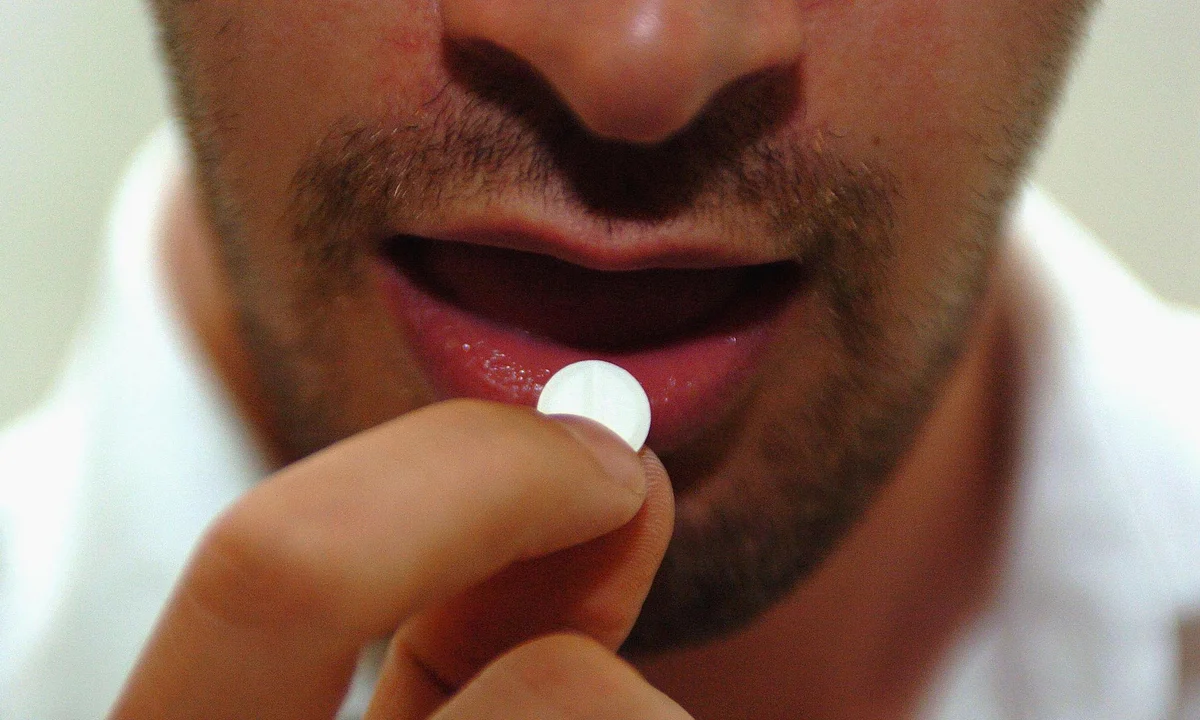

When it comes to nootropics — the substances marketed as “smart drugs” or cognitive enhancers — the space is wildly hyped, often confusing, and rife with unverified claims. Commercial labels make big promises about focus, memory, creativity, and “unlocking your brain’s potential,” but what actual science supports these claims? Let’s navigate this landscape with clarity, rigor, and enough entertainment to keep you reading past the first cup of coffee.
At the heart of the confusion is a simple truth: most marketed nootropics have little to no robust clinical evidence in healthy humans, especially when compared to the regulatory standards that drugs must meet. Many supplements are sold with appealing narratives, yet lack rigorous trials that demonstrate measurable cognitive benefits or underlying neural mechanisms.
This article dives into the research, breaks down what science actually says about popular nootropics, and distinguishes lab‑backed evidence from marketing fiction.
What Researchers Actually Mean by “Lab‑Backed”
Before exploring specific compounds, it’s crucial to understand what counts as credible scientific evidence:
- Randomized Controlled Trials (RCTs): The gold standard for clinical research, where participants are randomly assigned to receive the compound or placebo.
- Peer‑Reviewed Studies: Research vetted by experts in the field and published in established scientific journals.
- Standardized Cognitive Tests: Measures of real cognitive performance (memory, attention, executive function) rather than self‑reported effects.
Many nootropics are studied only in animal models or in combination with other ingredients, which makes interpretation tricky. Often, effects discovered in rodents do not transfer cleanly to humans.
With that context, let’s look at the nootropics that do have legitimate evidence in humans.
1. Caffeine + L‑Theanine: Classic Combo With Human Proof
Perhaps the most evidence‑supported nootropic strategy — and one you likely already use — is caffeine combined with L‑theanine.
Why It Counts
- Caffeine: Widely studied, it reliably boosts alertness, vigilance, attention, and task performance.
- L‑Theanine: A bioactive amino acid found in tea leaves that can promote relaxation without sedation.
Numerous human studies — including randomized, placebo‑controlled trials — have shown that caffeine and L‑theanine together improve attention, reaction time, and accuracy compared to placebo.
Importantly, the combination often smooths out caffeine’s jittery effects and may support a state of calm, focused attention. It’s not magical, but it’s one of the few combinations with reproducible cognitive benefit.
:max_bytes(150000):strip_icc()/VWH-GettyImages-1328677249-baafdb589a9d415ea514abe273756b1b.jpg)
Bottom line: If you want a nootropic with solid human evidence — start with this combo.
2. Bacopa Monnieri: Traditional Herb, Some Evidence
Bacopa monnieri is an herb used in Ayurvedic medicine for centuries and one of the better‑studied plant‑based nootropics.
What the Evidence Says
Clinical studies have found that, over several weeks of daily supplementation:
- Certain cognitive tests show improvements in memory and attention compared to placebo.
- Some meta‑analyses and systematic reviews support its role in enhancing cognitive performance, particularly tasks involving processing speed and memory.
However, the effects tend to be modest and often require consistent use over time rather than a quick “one‑pill boost.” There is also debate about study quality and variability in outcomes across research.
Takeaway: Bacopa shows promise and is one of the more scientifically studied herbal nootropics, but its effects are not dramatic and require regular use.
3. Citicoline (Cognizin®): Choline Source With Cognitive Support
Citicoline (often branded as Cognizin®) is a precursor to acetylcholine — a neurotransmitter heavily involved in memory and attention.
Research Highlights
Studies involving citicoline have shown:
- Improvements in memory and cognitive performance in healthy adults, particularly in tasks requiring attention and working memory.
- Support for brain health through enhanced phospholipid synthesis and neuronal membrane integrity.
The evidence here is stronger than for most over‑the‑counter supplements, though not as extensive as for well‑studied pharmaceuticals.
Verdict: Citicoline is one of the better‑evidenced nootropics when it comes to supporting memory and cognitive function in humans.

4. Prescription Nootropics — Real Drugs With Verified Effects
When we talk about lab‑proven cognitive enhancement, prescription medications often outperform supplements — though they also carry more risk and are not generally recommended for healthy people without medical supervision.
Examples
- Modafinil: A wakefulness‑promoting agent used clinically for narcolepsy. Research in healthy adults shows improved alertness and sustained attention, though effects on other domains like memory are mixed.
- Prescription Stimulants (e.g., methylphenidate): Improve attention and executive function but are typically only prescribed for ADHD — not recommended for non‑clinical use.
These drugs often have well‑documented cognitive effects but are strictly regulated because of side effects, tolerance, and ethical concerns.
Important: Prescription nootropics are not over‑the‑counter supplements and should only be used with a doctor’s guidance.
What Doesn’t Have Good Human Evidence?
It’s equally important to know what the research doesn’t support:
Nootropic Supplements With Little or No Solid Backing
- Most nootropic supplements marketed online lack rigorous clinical evidence and often rely on small, poorly controlled studies.
- Many products on the market don’t perform better than placebo in well‑designed trials.
Individual Herbs and Combinations
- Many herbal extracts (Ginkgo biloba, Rhodiola rosea) show potential in some studies, but evidence is inconsistent and often influenced by dosage, formulation, and study quality.
Lone Ingredients With Mixed Results
- L‑Theanine alone has some positive signals but mixed overall evidence for cognitive enhancement.
- Some compounds may influence mood or stress rather than directly boosting cognitive performance.
Practical Takeaways for Real Use
If you’re curious about nootropics and want evidence‑based guidance, consider the following:
- Start with what’s proven: caffeine + L‑theanine offers the most reliable, human‑tested boost to focus and attention.
- Use sustainably: herbs like Bacopa may help over time but aren’t quick fixes.
- Be cautious of claims: most supplements on the market are not backed by strong clinical data.
- Talk to a professional: especially if you’re considering prescription options or have health conditions.
The Real Story: Placebo, Promise, and Practicality
Science tells us that the brain is complex, and improving cognition is not as simple as taking a pill. Many so‑called smart drugs lack adequate evidence, and even when effects exist, they’re often subtle and context‑dependent.
Nootropics are an exciting field — blending ancient herbal wisdom with modern neuroscience — but the strongest recommendation for most people remains good sleep, exercise, nutritious diet, and mental training.