








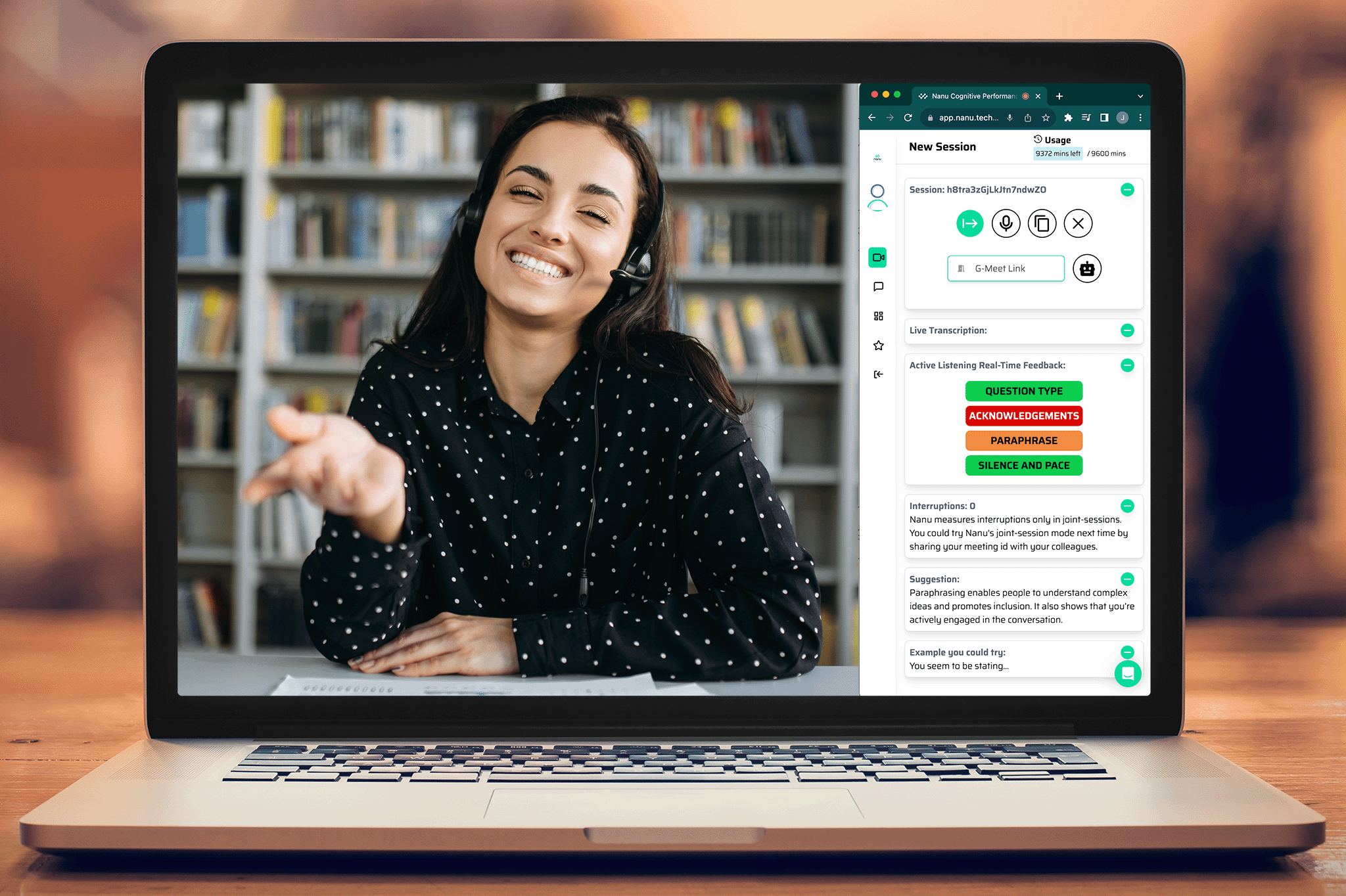

In every era of human progress, learning has evolved—not just in what we learn, but how we learn. From oral traditions to print, from chalkboards to smartphones, educational innovation has relentlessly reshaped the human experience. Today, we stand at the cusp of a transformation that could eclipse all that came before: Real-Time Neural Feedback (RTNF). This emerging paradigm leverages live monitoring of brain activity to guide and optimize learning, and it may fundamentally redefine how we think about education, cognition, and human potential.
In this long‑form exploration, we’ll unpack what RTNF actually is, the science behind it, how it may revolutionize learning, its practical implementations, its limitations, ethical implications, and where this field is headed next. Let’s dive deep.
1. What Is Real‑Time Neural Feedback?
Real‑Time Neural Feedback (sometimes also called neurofeedback, decoded neurofeedback, or brain‑computer interface feedback) refers to techniques that measure a learner’s brain activity and present that information back to them in real time in a way they can use to adjust their mental strategies. Instead of waiting for test results or teacher evaluations, the learner sees instant feedback tied directly to neural signals.
At the core, RTNF systems use tools like electroencephalography (EEG) or real‑time functional magnetic resonance imaging (rt‑fMRI) to capture ongoing brain activity. These signals are processed by algorithms that translate complex neural patterns into feedback metrics that learners can interpret and respond to.
A powerful example is decoded neurofeedback (DecNef)—a system where participants learn to elicit beneficial neural activation patterns even without explicit instructions about cognitive strategies. Over time, this can change how the brain performs certain tasks. Remarkably, this approach was shown to let volunteers improve performance on visual puzzles they had never seen before, purely through neural pattern feedback.
2. The Neuroscience Behind Learning and Feedback
Why does neural feedback matter? To answer that, we need to understand two key concepts:
Neuroplasticity: The brain’s capacity to reorganize and adapt its structure and function in response to experience. Neuroplasticity underlies learning itself—forming memories, refining skills, and adapting to new situations.
Real‑Time Modulation: Conventional learning often has delayed feedback—test scores come days or weeks later, and self‑reflection can be misleading. RTNF transforms feedback into immediate information about your own neural processes, making learning more adaptive and efficient.
Neuroscience has long confirmed that when learners adjust their cognitive strategies based on immediate outcomes, learning accelerates. With RTNF, those outcomes become neural signals rather than just behavioral outcomes. Studies show that real‑time biofeedback training can lead to targeted changes in neural activity, fostering better self‑regulation and skill acquisition.
3. From Theory to Practice: Applications in Education
3.1 Enhanced Focus and Attention
One of the most immediate applications of RTNF is enhancing concentration. Attention is a limited cognitive resource—students often appear attentive without truly engaging cognitively. Traditional measures like webcams or self‑reports fail to reveal actual neural engagement. Emerging systems are designed to monitor attention in real time and deliver feedback alerts or adaptive content that keeps learners in a state of cognitive engagement. Early research suggests such systems can measurably boost attention during tasks.
Imagine an online learning platform that can detect when your brain begins to drift, then adjust the presentation style, recommend a brief break, or guide you to refocus—all based on live neural signals. That’s a future some developers are actively building toward.
3.2 Adaptive Learning Paths
Beyond focus, RTNF can enable personalized learning trajectories. Just as adaptive algorithms tailor content to a student’s performance, neural feedback can adjust not only what is presented, but when and how material is reinforced based on neural readiness.
For example, if a student’s neural markers indicate cognitive overload, an RTNF system could shift strategies—perhaps switching from rote problem solving to gamified conceptual exploration. If the neural data shows readiness for deeper challenge, the system can introduce higher‑order tasks.
This level of customization goes beyond behavior and taps directly into neurocognition.
3.3 Training Memory and Executive Function
Real‑time electrophysiological feedback can also target specific cognitive abilities such as working memory. Recent neurofeedback paradigms have begun to refine ways of rewarding specific neural patterns associated with effective memory retrieval, offering a novel path to strengthen neural circuits that support executive function.
This is significant because working memory is a core component of learning across domains—from mathematics to language to problem solving.
3.4 Neurorehabilitation and Inclusion
Although not strictly educational, applications in neurorehabilitation demonstrate the power of RTNF in remediating cognitive and motor deficits. For example, stroke survivors receiving motor imagery‑contingent feedback through brain‑computer interface (BCI) systems show enhanced neuroplasticity and improved motor function compared to traditional feedback. These advances may translate back into education to better support learners with neurological differences.
4. Emerging Technologies Driving RTNF Forward
Several technological threads are converging to make real‑time neural feedback feasible and scalable:
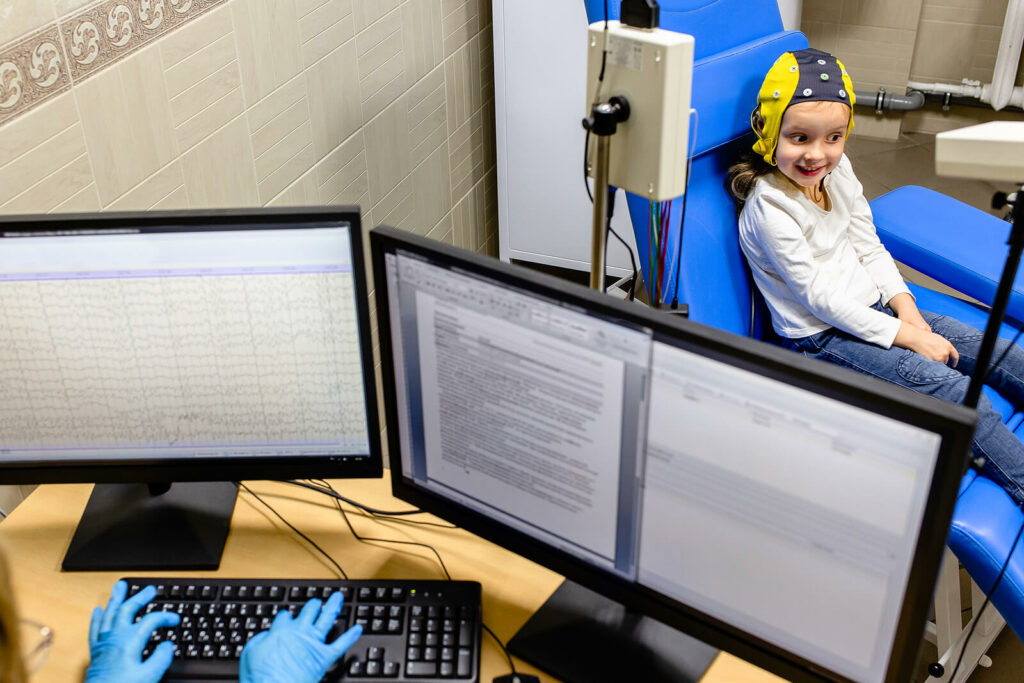
Noninvasive EEG and Wearables: Affordable EEG headbands and caps are now capable of capturing live brainwave data with reasonable fidelity, enabling real‑time decoding of cognitive states.
Machine Learning and AI: Sophisticated algorithms can interpret noisy neural data and map it to cognitive constructs like attention, engagement, or learning readiness.
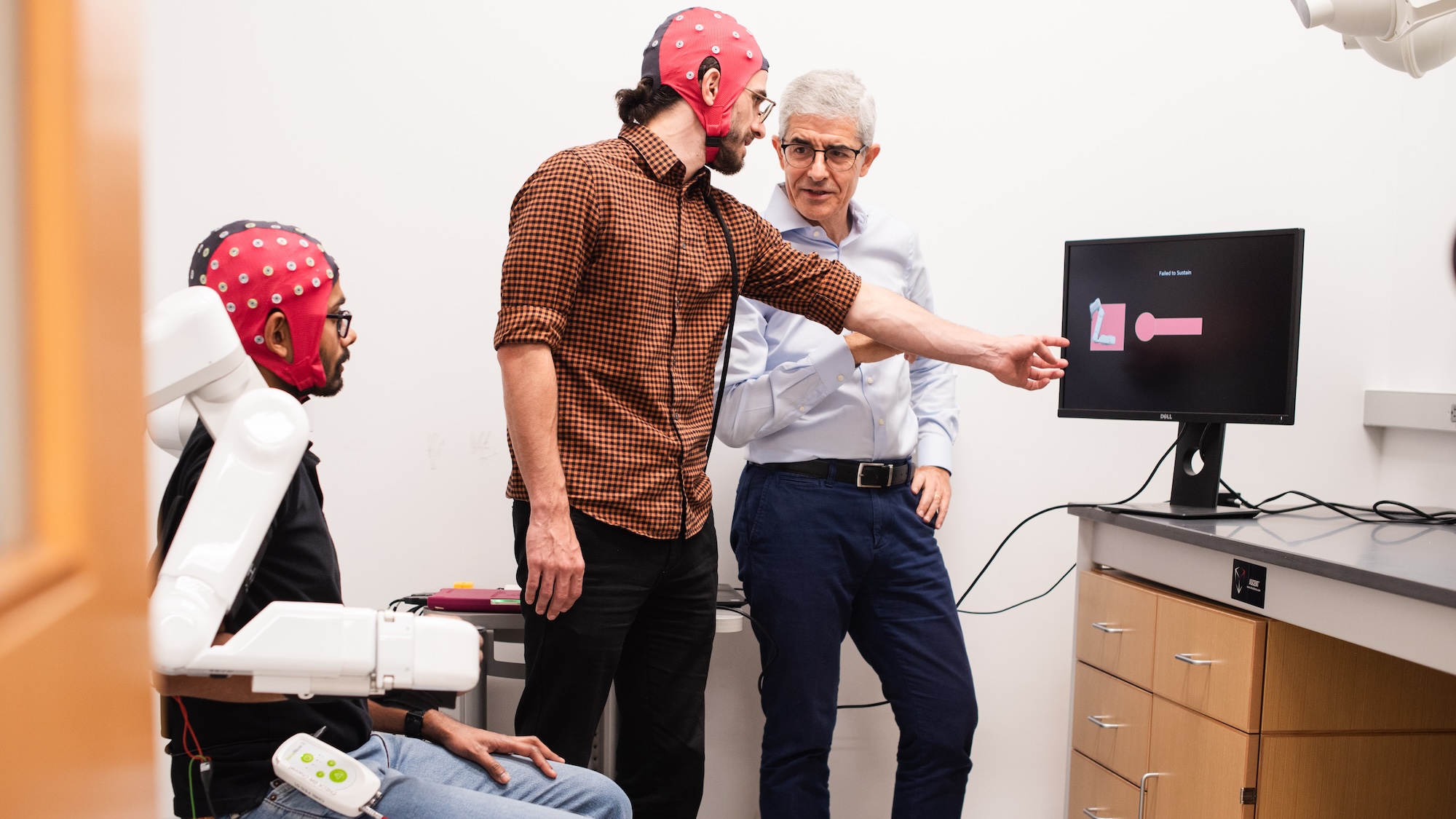
Brain‑Computer Interfaces: BCIs are increasingly able to convert neural signals into actionable commands or feedback loops. Real‑time control of external devices, such as robotic limbs responding to neural activity, showcases the rapid evolution of these systems.
Hybrid Systems: Some frameworks combine neural data with AI to deliver personalized language or cognitive rehabilitation experiences based on real‑time brain activity.
5. What RTNF Could Mean for Learners
The potential payoff of real‑time neural feedback in learning is vast. Here are some examples of what it could enable:
More Efficient Learning: Immediate neural feedback loops can help learners identify effective strategies and abandon ineffective ones faster than ever.
Deeper Engagement: Rather than passive content consumption, learning becomes an active, self‑tuned cognitive experience.
Reduced Frustration: Neural feedback can adapt challenges in real time so learners remain in a productive struggle zone, where tasks are neither too easy nor too frustrating.
Personalized Neuro‑Pedagogy: Every brain is unique—RTNF holds the promise of education that aligns with individual neurological profiles rather than a one‑size‑fits‑all model.
6. Challenges and Limitations
Despite its promise, RTNF is far from a fully realized mainstream educational technology. Several key challenges remain:
Technical Noise and Signal Interpretation: Brain signals are complex and noisy. Distinguishing meaningful learning signals from background neural activity is difficult and often context dependent.
Infrastructure Costs: High‑fidelity, real‑time brain imaging technologies like fMRI are expensive and confined to research settings. Even EEG, while more affordable, poses accessibility barriers.
Algorithmic Bias and Misinterpretation: AI systems interpreting neural data must be rigorously validated to avoid misrepresenting learners’ cognitive states.
Learning Transfer: There is still limited evidence showing how training with neural feedback transfers to long‑term improvements in real‑world learning outcomes at scale.
These challenges temper expectations and highlight that RTNF should be viewed as complementary to traditional pedagogy in the near term.
7. Ethical and Societal Concerns
As with any technology that interfaces with the brain, RTNF raises profound ethical questions:
Cognitive Privacy: Brain data is deeply personal. Who owns that neural data? How is it protected from misuse?
Informed Consent: Learners must understand what data is collected, how it’s used, and what it doesn’t tell us.
Equity and Access: If only privileged learners gain access to neural feedback tools, educational inequality could widen.
Neurobehavioral Manipulation: There is a fine line between empowering learners and nudging cognitive states in ways learners don’t fully control.
Addressing these concerns is essential before RTNF can be ethically deployed at scale.
8. The Future: Will RTNF Define Tomorrow’s Learning Landscape?
Real‑Time Neural Feedback remains in its early stages, but the combination of neuroscience insights, AI, and real‑time data processing makes it one of the most exciting frontiers in learning science. While it’s unlikely that every classroom will be equipped with neural sensors in the next decade, hybrid deployments in specialized learning environments—such as adaptive online courses, VR immersive learning platforms, and rehabilitation‑oriented education—will pave the way for broader adoption.
Whether RTNF becomes the dominant future of learning or a powerful augment to other methods, one thing is clear: a world where learners can access real‑time windows into their cognition would transform how we understand and practice education.