








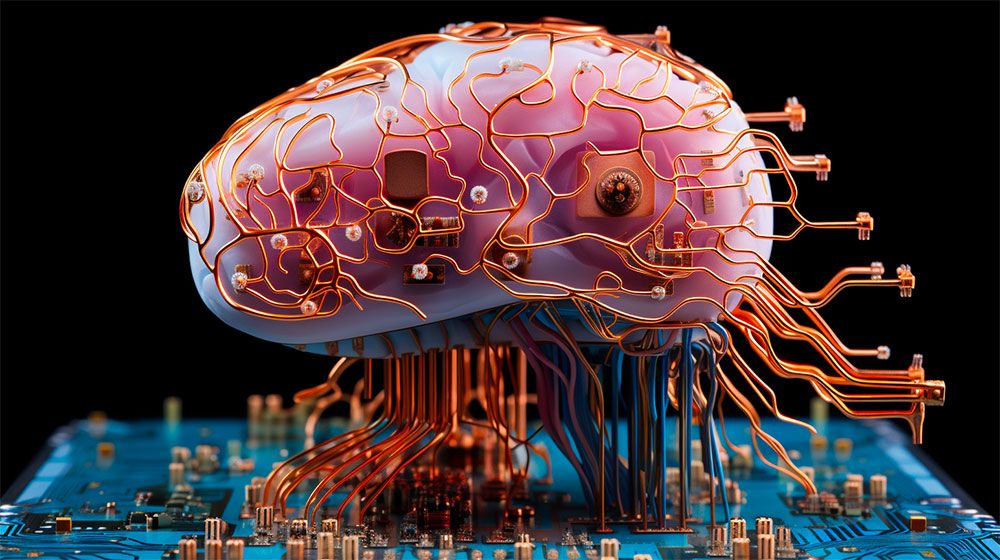

Brain‑Computer Interfaces (BCIs) are no longer the stuff of science fiction. They’ve moved from futuristic dream to rigorous scientific reality, propelling decades of research into uncharted and exciting territory. Today’s neuroscientists, engineers, ethicists, and futurists are asking something far deeper than whether we can control a cursor with our mind: Could a BCI actually rewrite your thoughts? The answer isn’t simple. It sits at the intersection of cutting‑edge science, machine learning, ethics, psychology, and societal vision. This article explores that question comprehensively, blending science, context, controversy, and emerging perspectives from the global research front.
What Is a Brain‑Computer Interface?
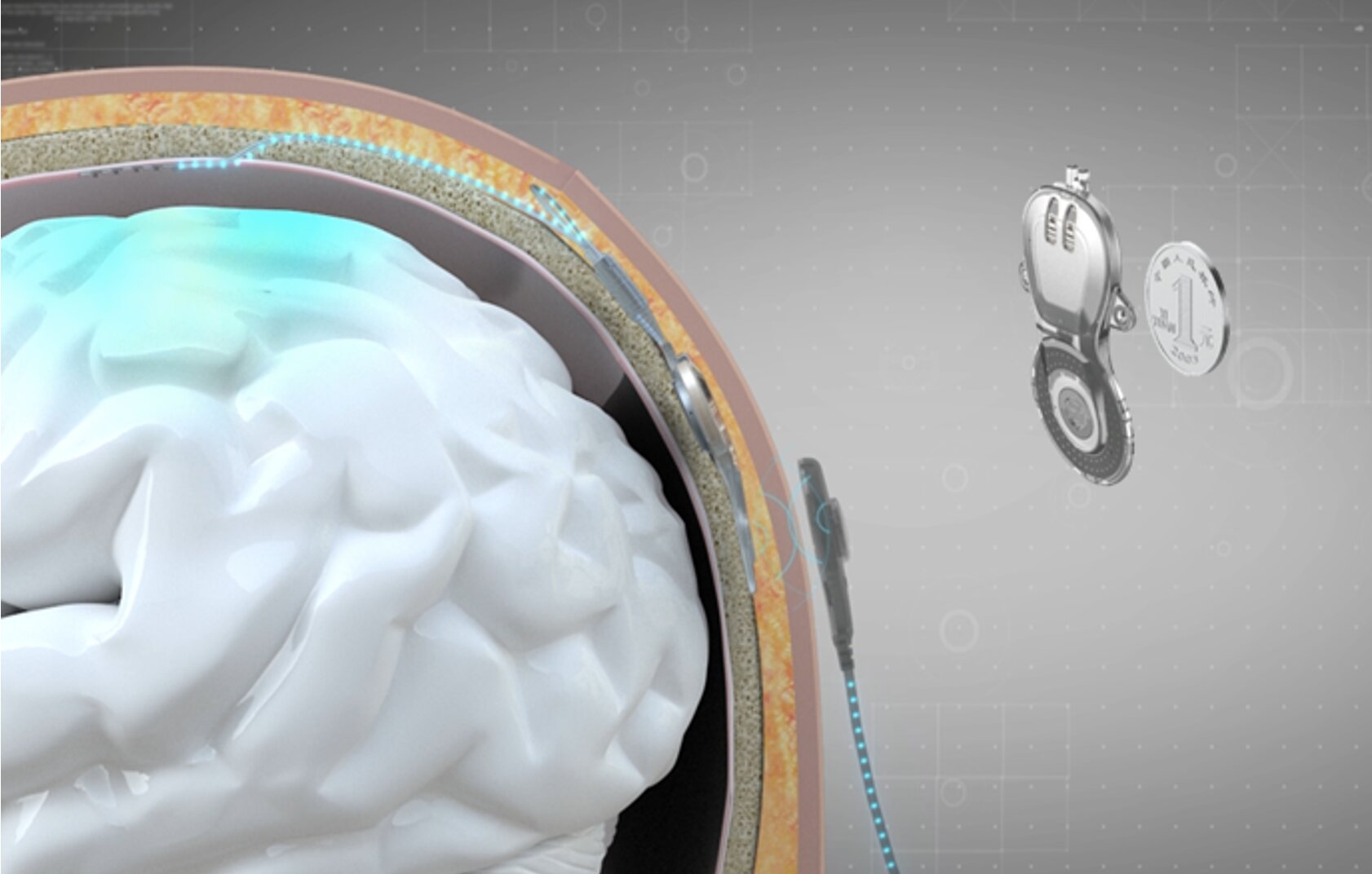
At its core, a Brain‑Computer Interface is a system that forms a direct communication channel between the human brain and external devices—bypassing muscles, language, and traditional sensory pathways. There are invasive BCIs, which use implanted electrodes to capture neural signals with high precision, and non‑invasive BCIs, which use sensors placed on the scalp to monitor brain activity externally. Both aim to decode neural activity and translate it into machine‑understandable signals to interact with computers, robots, or other systems.
The concept seems almost magical: read a mind without speaking, type emails with thought alone, or control a wheelchair with pure intent. These are not far‑off fantasies—they’re present‑day applications under active trial. But while decoding neural signals is achievable, writing information into the brain is far more complex and controversial.
The Science of Reading the Brain
Over the last decade, BCIs have made astonishing progress in decoding neural signals. Researchers have gone beyond capturing intended movement to interpreting internal mental processes like silent speech. In one landmark experiment at Stanford University, scientists developed an implant capable of decoding inner speech—words imagined but not spoken—with around 74 % accuracy using AI to map neural patterns into language.
This is a technical marvel. Inner speech, which occurs without physical movement, is inherently low‑amplitude and noisy from the brain signal perspective. Yet advanced AI models trained on neural data can tease apart subtle patterns and convert them into recognizable linguistic constructs. This breakthrough offers hope for people who cannot speak due to paralysis or neurological conditions, enabling them to express thoughts in ways previously impossible.
But does interpreting thought mean we can experience someone else’s inner world or rewrite it? Not yet.
From Read to Write: The Hard Science of Neural Encoding
Reading brain activity is one challenge; writing to the brain is another altogether. Writing requires not only mapping patterns of activity but also reliably stimulating the brain to induce specific thoughts or memories. Current invasive BCIs typically use electrical signals to generate sensory input or assist movement, not to create complex cognitive experiences or rewrite memories. The brain’s neural code is not a simple binary system—it reflects dynamic, context‑dependent states influenced by history, emotion, and ongoing processing.

While there are experimental efforts exploring memory decoding and decision prediction, even those successes involve interpreting patterns, not editing or constructing internal thoughts. A recent advanced BCI design using flexible electrodes demonstrated stable signal capture and decision decoding in animal models, hinting at future prospects for deeper cognitive interface—but nowhere near rewriting thought content.
To rewrite thoughts, a system would need precise, real‑time control over neural populations that underlie subjective experience—something far beyond the current state of neuroscience.
Why Thought “Writing” Is So Difficult
The brain is arguably the most complex known biological system. Thoughts are encoded across distributed networks involving sensory integration, memory, language, emotion, and context. Unlike movement, which maps more directly onto motor cortex activity, thought patterns do not localize cleanly to specific, easily identifiable neural signatures. This makes interpreting such activity hard—and influencing it even harder.
Even if a BCI could deliver targeted stimulation, there’s no established protocol for translating electrical input into specific concepts, beliefs, or memories. While researchers can evoke simple sensations (like visions or tactile feedback) through stimulation, generating nuanced ideas or reshaping belief systems remains speculative.
Furthermore, each brain is unique. Neural representations vary from person to person, and decoding these patterns requires personalization and sophisticated modeling—much more so than current systems can handle.
The Ethical Frontier: Mind Reading vs. Mind Writing
The possibility of decoding internal thoughts raises major ethical questions. What rights do individuals have over their own neural data? If a BCI can interpret inner speech or even preferences, how can consent and privacy be protected? Experts have debated the concept of “neurorights” to protect mental privacy and preserve cognitive liberty, noting that BCIs capable of decoding thoughts—however limited—challenge traditional notions of privacy.
UNESCO has even adopted global standards to regulate emerging neurotechnologies, emphasizing safeguards for mental privacy and freedom of thought. These guidelines aim to prevent misuse, exploitative practices, and unethical data harvesting that could accompany widespread BCI deployment.
The difference between reading and writing thoughts is crucial here. Reading can already approximate inner speech in controlled settings; writing suggests actively altering cognitive content, and that crosses into territory traditionally reserved for science fiction and dystopian speculation.
Practical and Beneficial Uses of BCIs
Most real‑world BCI use cases are restorative rather than invasive in the cognitive sense. Patients with spinal cord injuries control robotic arms, people with ALS communicate through mind‑driven text systems, and stroke survivors regain lost motor functions via brain‑driven assistive technologies. These applications harness BCIs to restore lost capacity, a profoundly positive use of the technology.
In industry and entertainment, non‑invasive BCIs are being explored for attention monitoring, mental state tracking for adaptive interfaces, and even brain‑driven gaming. However, these applications rely on interpreting broad neural signals (like attention level or relaxation) rather than detailed cognitive content.
The Regulatory and Safety Landscape
BCI research isn’t happening in a vacuum. As the field grows, governments and regulatory bodies are formalizing frameworks for ethical development, testing, and deployment. Some nations have introduced standards for medical devices involving BCIs, integrating them into healthcare systems and establishing clear clinical guidelines.
Safety is another pressing concern. Implanted BCIs involve neurosurgery, with risks including infection, immune response, and long‑term biocompatibility challenges. Non‑invasive systems, while safer, offer lower fidelity and limited capacity for complex control.
Regulatory and ethical frameworks aim to ensure that safety, consent, autonomy, and data security are central to BCI deployment. Guidelines from research ethics and security organizations emphasize transparent practices, risk assessment, and strict limits on data use.
The Future: Where Might This Technology Head?
Today’s BCI achievements are remarkable, yet they are early steps. Future advances might include higher‑resolution interfaces, deeper integration with artificial intelligence, and more seamless brain‑device communication. Researchers are investigating Brain‑Agent Collaboration paradigms that blend human intention with autonomous systems to enhance assistance without compromising autonomy.
There’s also increasing exploration of hybrid systems that combine brain signals with external AI models to interpret and respond to user intent more intelligently and flexibly. These systems aim to augment human ability, not commandeer human thought.
Yet true thought rewriting—where a machine implants specific ideas or influences beliefs—remains firmly speculative. It would require breakthroughs in understanding and controlling the neural basis of cognition that we have not achieved and may not achieve for decades, if ever.
So, Could a BCI Rewrite Your Thoughts?
At present: no.
Current BCIs can interpret and translate certain neural signals, restoring communication and mobility to those who need it most. They can even decode internal speech under controlled conditions. But rewriting thoughts—deliberately instilling, altering, or manipulating our inner experiences—remains outside the realm of practical science.
Future research could deepen our ability to interact with the brain, but comprehensive control over thought formation and manipulation would require advances far beyond today’s technology, along with profound ethical deliberation and regulatory safeguards.
In closing, BCIs offer a window into neural activity and a bridge between mind and machine. They promise to amplify human ability, restore lost function, and expand interfaces between our brains and external systems. But the idea of rewriting thoughts? That’s a frontier we haven’t crossed—and one we must approach with caution, respect, and deep ethical reflection.