








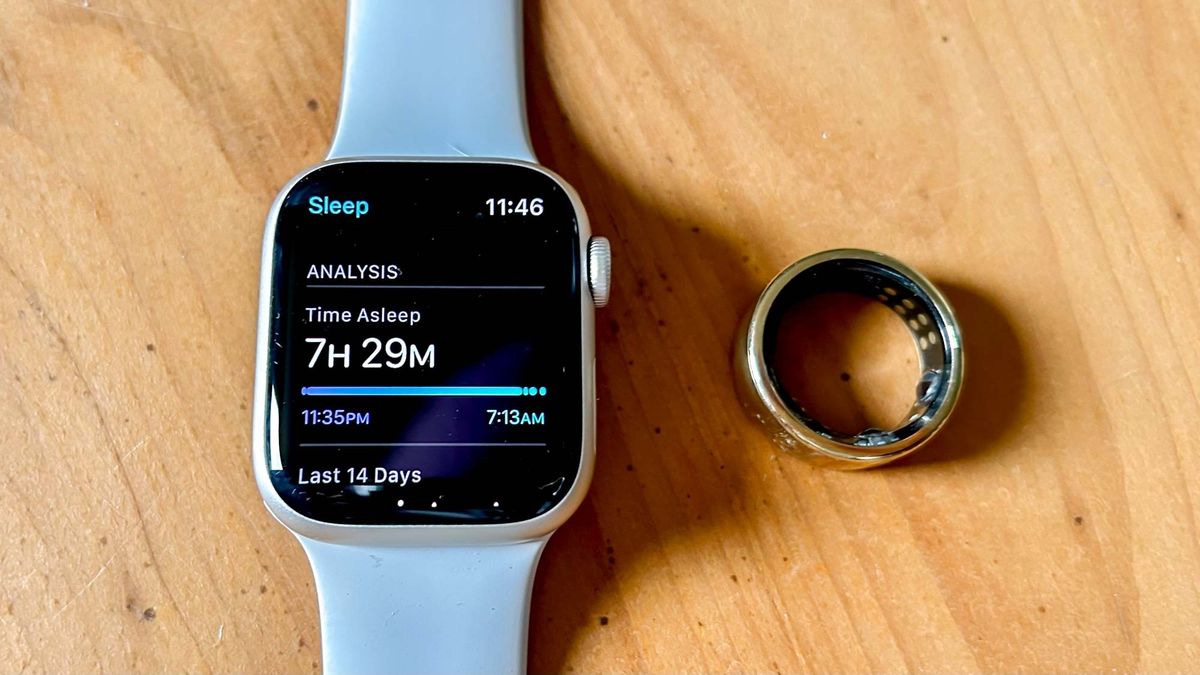

Sleep. It’s the nightly reset we all desperately want but rarely get. For centuries, measuring sleep accurately meant spending a night in a somnolent laboratory hooked up to EEG electrodes, chest belts, and an army of wires. Enter modern wearables — tiny gadgets promising to turn your fingertip or wrist into a personal sleep laboratory. At the forefront of this revolution is the Oura Ring, a sleek smart ring that claims to deliver profound insights about your sleep without ever leaving your bed.
But here’s the big question: Can Oura Ring insights truly compete with traditional sleep labs?
Let’s unpack this with a mix of science, real-world context, and a sprinkle of fun — all while keeping things professional, engaging, and deeply informative.
The Sleep Gold Standard: What a Sleep Lab Actually Measures
To judge another technology, first we have to understand what it’s being compared against.
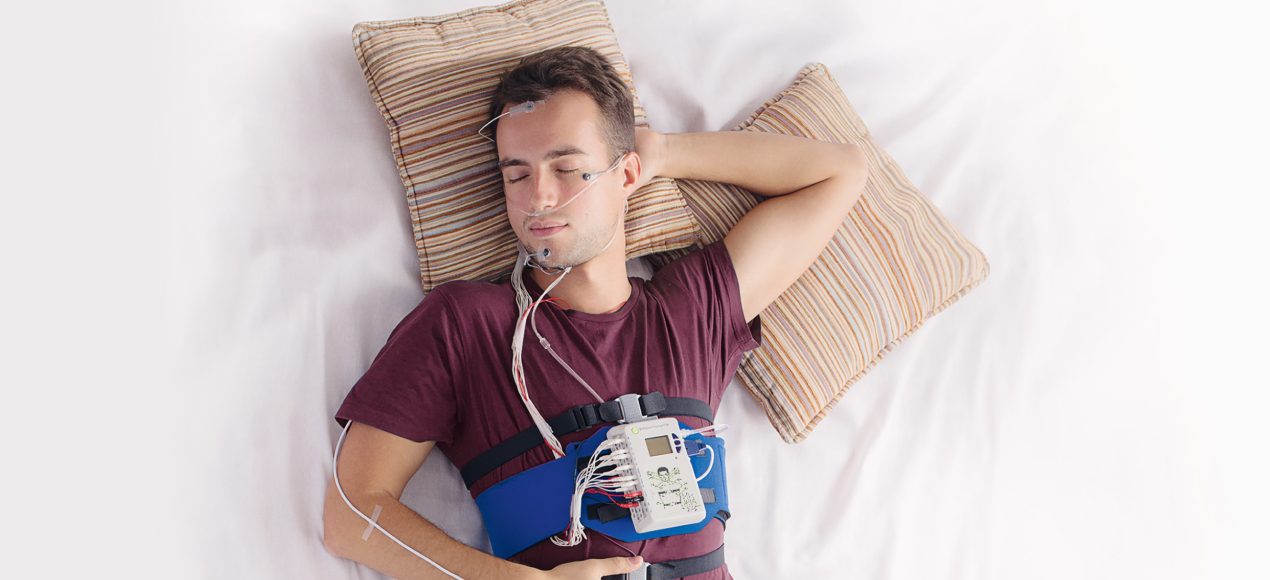
Traditional sleep labs use polysomnography (PSG) — a comprehensive method capturing:
- Brain activity (EEG)
- Eye movements (EOG)
- Muscle activity (EMG)
- Heart rate and rhythm
- Respiratory patterns
- Blood oxygen levels
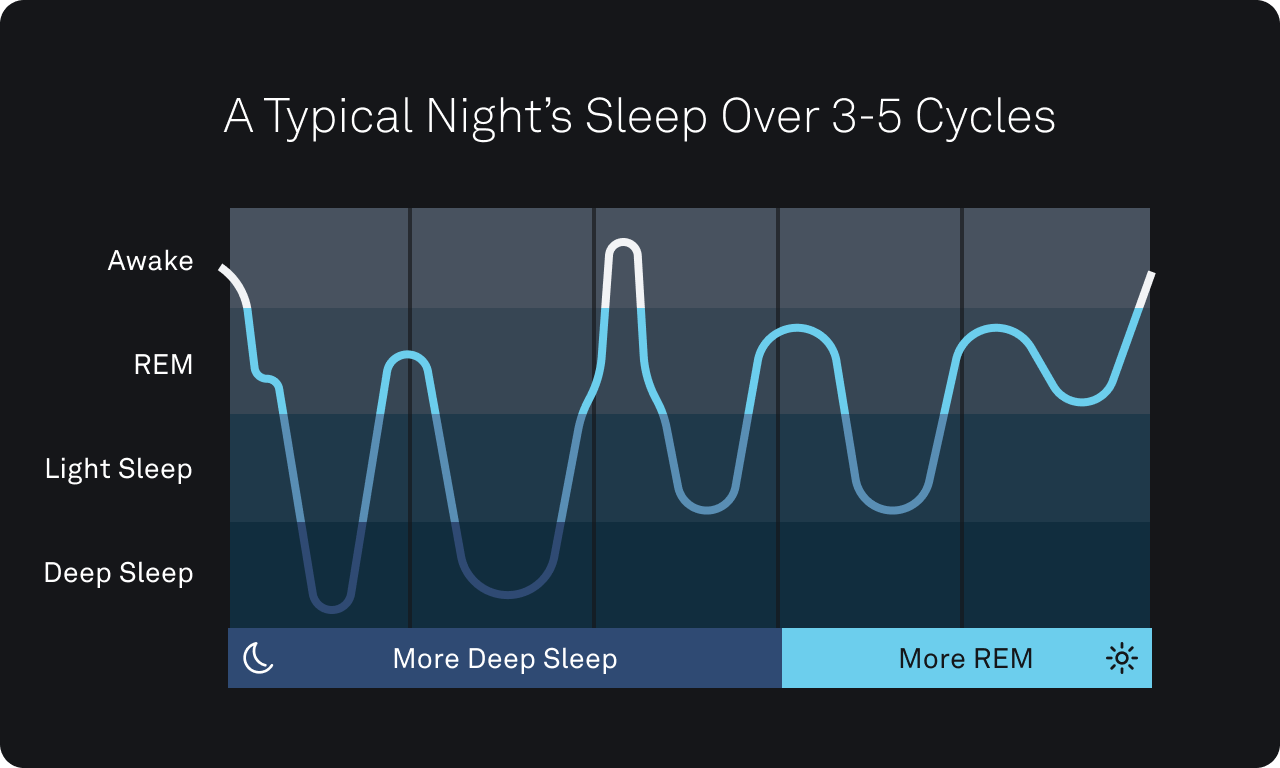
These measurements allow experts to distinguish sleep stages (awake, light sleep, deep sleep, REM sleep) with remarkable precision. Clinicians then manually score these signals to paint a detailed sleep profile crucial for diagnosing conditions like apnea, insomnia, narcolepsy, REM behavior disorder, and more.
That’s a LOT of data — and accuracy is essential because decisions about diagnosis and treatment hinge on it.
Meanwhile, wearables like Oura cannot measure brain activity directly — they infer sleep patterns indirectly. More on that later.
Oura Ring: How It Tracks Sleep (Without Wires or Labs)
The Oura Ring is a smart wearable designed to be as unobtrusive as your favorite wedding band. It uses a combination of sensors to collect data throughout the night:
- Infrared photoplethysmography (PPG) to estimate heart rate and heart rate variability
- Accelerometer to detect movement
- Temperature sensors to measure body heat changes
- Machine-learning algorithms to interpret all of this into sleep stages and patterns
This approach doesn’t directly measure brain waves like a sleep lab does — but it tries to infer them based on physiology. Think of it as reading the clues detectives leave behind when the “witness” (your brain) isn’t present.
Scientific Comparisons: Oura Ring vs. Polysomnography
So how does Oura stack up when compared head-to-head with the gold standard?
Sleep vs. Wake Accuracy
Research shows that the Oura Ring is excellent at detecting when you’re asleep versus awake, with ≥94% sensitivity for sleep detection in validation studies. This means it correctly identifies sleep periods the vast majority of the time, nearly matching sleep labs in this basic metric.
Sleep Stage Classification (Light, Deep, REM)
This is where things get nuanced:
- In a study comparing Oura Ring Gen3 to PSG, Oura’s four-stage sleep classification reached around ~79% agreement with PSG data. That’s impressive for a wearable, but it still falls short of the precision achieved by traditional sleep labs.
- In the same study, Oura outperformed mainstream wrist-worn devices like the Apple Watch and Fitbit in accuracy for classifying four sleep stages.
This improvement likely stems from Oura’s multiple sensors and sophisticated sleep staging algorithms, though all sleep trackers still struggle with subtleties compared to PSG.
Wake Detection and Sleep Segmentation
Oura typically excels at recognizing when you fall asleep and when you wake up — often within just a few minutes of lab-based measurements. That’s valuable because total sleep time and consistency are important markers of sleep health.
Strengths vs. Limitations
Strengths
- Offers a continuous, multi-night view of sleep patterns in a natural home environment.
- Highly comfortable and unobtrusive compared with wired lab gear.
- Provides trend data that helps users identify sleep habits and their impacts over time.
- Performs better than most wrist wearables in core sleep tracking metrics.
Limitations
- Doesn’t record brain waves, so precise sleep stage breakdowns are still approximations.
- Sleep staging accuracy, while good, doesn’t match clinical PSG, especially for subtle transitions.
- External factors like disrupted sleep, noise, or irregular sleep routines can affect reliability.
So — Are Oura Ring Insights Better Than Sleep Labs?
The short answer: No — not if your goal is clinical diagnosis.
Sleep labs are still the gold standard, especially for diagnosing disorders and understanding detailed neurophysiological sleep patterns. They capture data about brain activity that wearables simply can’t access. For clinicians and researchers, PSG remains indispensable.
But here’s the twist: for daily life, personal optimization, and trend monitoring, Oura Ring insights are extremely valuable — and in some ways, better than a one-time sleep lab visit.
Why Oura May Be Better — For Your Life
- Real-World Sleep Patterns
Traditional labs provide a snapshot — one night under strange circumstances. Oura gives you repeated nights in your normal setting, which can be more representative of your typical sleep behavior. - Actionable Sleep Habits
Oura doesn’t just measure — it contextualizes. Users get metrics like sleep score, sleep efficiency, restorative time, and readiness score, helping guide lifestyle changes. - Comfort & Convenience
Sleep labs are expensive, time-consuming, and involve wires. Oura is comfortable, discrete, and wearable every day. - Cost & Accessibility
Sleep labs may cost thousands and require specialist appointments. A wearable is a one-time (plus subscription) investment with ongoing insights.
The Deeper Science: What Studies Really Show
Validations and comparative research reveal several important points:
- Oura Ring doesn’t differ significantly from PSG in estimating total sleep time, sleep onset latency, and wake after sleep onset.
- Although Oura’s sleep staging approximations are close, they aren’t perfect. It’s common for wearables to misinterpret subtle transitions between stages, especially without EEG input.
- Some peer-reviewed research notes that clinical devices still outperform wearables in detecting nuanced sleep features.
This body of evidence suggests that Oura is an excellent estimation tool for healthy adults but not a stand-in for a clinical sleep study when detailed diagnostic accuracy is necessary.
How People Actually Use Oura Ring Insights
Let’s talk practical use cases:
1. Performance & Athletic Recovery
Athletes and trainers use Oura to optimize rest and recovery cycles — often pairing sleep data with training load for better performance outcomes.
2. Behavior Insight
Users can track how caffeine, alcohol, stress, exercise, or late meals affect their sleep quality over weeks or months.
3. Routine Tweaks
By comparing sleep scores over time, many people adjust bedtimes, screen habits, or environment for better rest.
4. Longitudinal Patterns
Over time, Oura reveals sleep trends that might correlate with long-term health changes — something rarely captured in one-off lab tests.
When You Should Choose a Sleep Lab
Use Oura Ring for insights and health optimization — but consider a sleep lab if:
- You suspect sleep apnea, restless legs syndrome, insomnia, narcolepsy, or other disorders.
- You need clinical diagnosis or treatment planning.
- Precise characterization of brain activity and sleep stages is required.
In these scenarios, the granular data from PSG is irreplaceable. Wearables are excellent for habits and tracking, but they don’t replace clinical expertise.
Final Verdict: Two Tools, Different Purposes
The real answer isn’t whether Oura is better than sleep labs — it’s whether Oura is better for your purpose.
- For clinical precision, diagnosis, and deep stage analysis: Traditional sleep labs still win.
- For everyday insight, habit tracking, trend awareness, and user-centered optimization: Oura Ring may be more useful — especially if you want continuous data in your normal environment.
At the end of the day, these tools are complementary. Think of Oura as your personal sleep coach and the lab as your medical expert.