









The story behind the first sketch of the iPhone is part mythology, part meticulous engineering lore, and part legend crafted in secrecy behind the glazed doors of Apple’s design studios. To understand who really holds the first sketch of iPhone, we need to peer deep into the early 2000s—before the word smartphone was synonymous with touchscreens, gestures, and app icons, before the Macworld stage in 2007, and before Apple’s logo became inseparable from the idea of a device that “changes everything.”
The Whispered Origins of iPhone: An Idea Too Bold for Its Time
The concept of the iPhone didn’t emerge out of thin air. It was seeded in Apple’s history with the iPod, whose success in the early 2000s made it clear that Apple was capable of redefining mobile computing. By 2004, Apple leadership had begun informally discussing a device that would combine phone, music player, and internet communicator in a singular experience. The codename for this project was “Project Purple,” and it became one of the most secret endeavors in tech history.
Project Purple was not announced internally with fanfare. Instead, Apple’s senior leadership quietly assembled a dedicated team of hardware and software engineers, industrial designers, and user‑experience experts—individuals selected because of their ability to produce groundbreaking work under intense confidentiality restraints.
In large swathes of Silicon Valley lore, every revolutionary invention begins with a drawing. That is especially true for the iPhone. But who drew the first sketch? Answering that requires virtue of both historical record and tacit understanding of Apple’s culture of design.
Jony Ive: The Mastermind Behind the Form
Nobody looms larger in the narrative of Apple hardware design than Sir Jonathan “Jony” Ive, Apple’s legendary Chief Design Officer (and later founder of LoveFrom). Born in London and joining Apple in 1992, Ive’s philosophy of minimalism—captured in the idea that design is about simplicity and essence—reshaped consumer gadgets forever. Apple’s iMacs, iPods, and eventually smartphones all bore his distinct fingerprints.
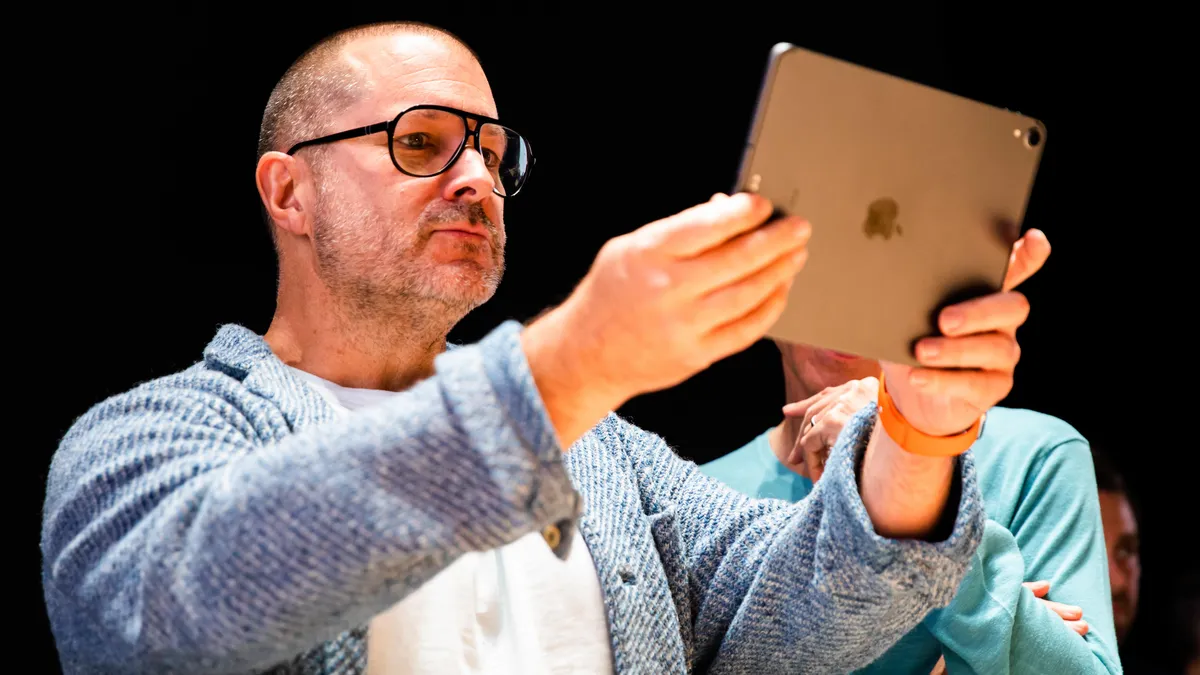
Inside the story of iPhone’s birth, Ive was the central figure on the hardware side. According to sources that delve into Apple’s design history, the earliest conceptual sketches for what became the first iPhone were indeed created by Jony Ive and his industrial design team. These sketches depicted a single, unbroken expanse of glass dominating the front surface of a device, a visual departure from the then‑common segmented screen keypads and resistive buttons used by most phones.
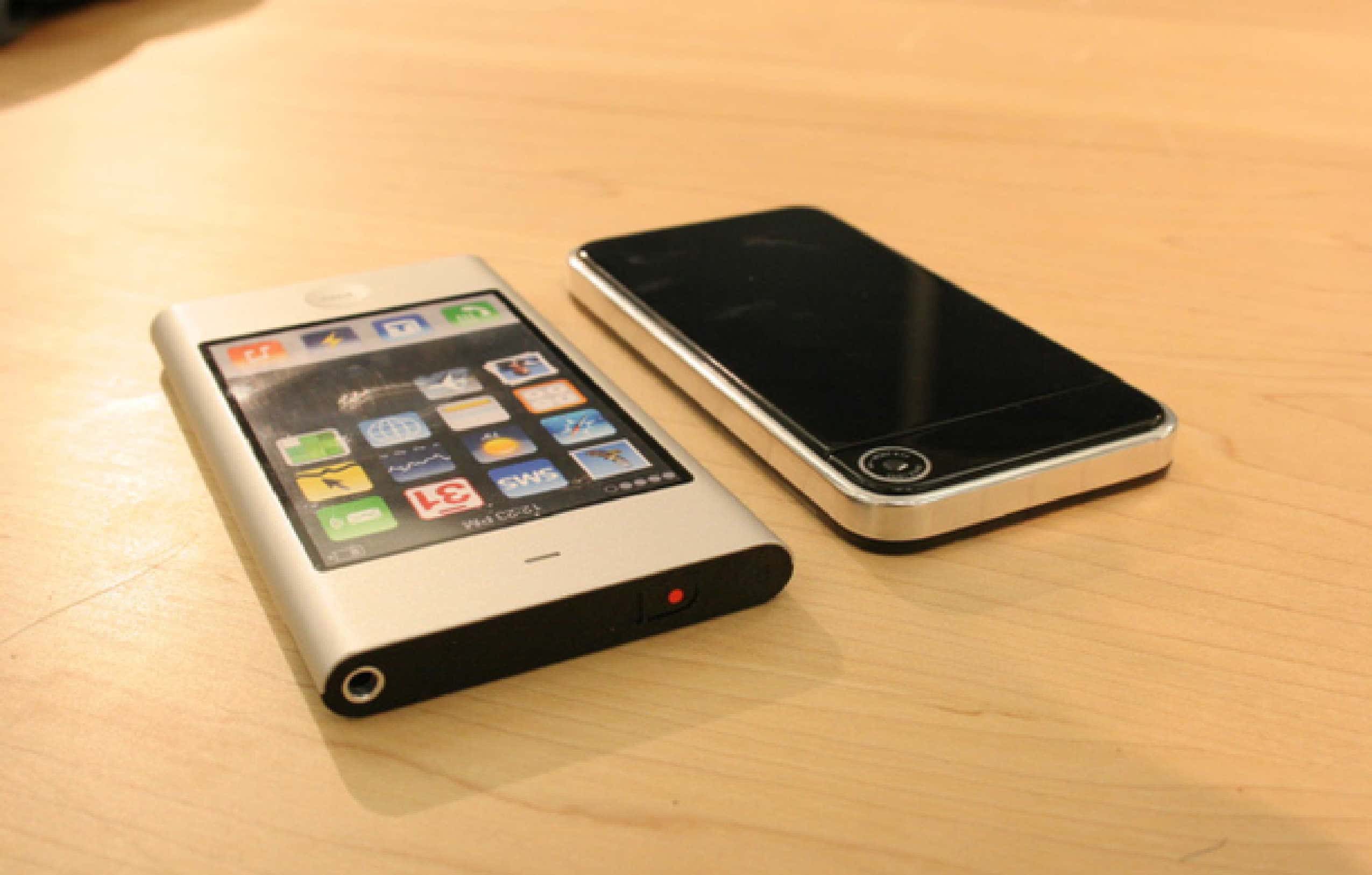
This first sketch wasn’t just a drawing; it was a radical proposal. In an era when flip phones and early Blackberry devices dominated mobile communication, a touch first interface was untested territory. The sketches revealed something that would define the next decade: no physical keyboard, no stylus, no trackball—just glass, intuitive gestures, and a human interface designed for touch.
Where exactly these earliest sketches now reside is a matter of private history. Unlike most public documents, Apple’s internal design sketches are closely held. They are treated as proprietary intellectual property, rarely displayed outside design review rooms, executive desks, or secure archives. It’s unlikely that the original physical first sketch exists in public hands; if it does, it likely resides in Apple’s corporate archives in Cupertino, accessible only to select executives and design custodians.
Steve Jobs: The Visionary Who Demanded Perfection
Though Ive drew the first sketches, the conceptual steward of the iPhone was Steve Jobs—the co‑founder of Apple and the CEO who steered and refined the vision during development. Jobs’ contribution was not merely managerial; he actively shaped product definition and user experience direction in ways that few CEOs ever have.
Jobs was obsessed with simplicity and intuition. He insisted that the device fit beautifully in the palm of your hand and that users should interact with it without confusion or friction. Though he did not personally sketch hardware designs, his influence was the guiding hand on every page of Apple’s design notebooks.
In the story of iPhone’s origin, Jobs was the lens through which Ive’s sketches were viewed, debated, refined, and eventually approved. Without Jobs’ approval, those sketches—as visionary as they were—might have remained intellectual exploration instead of the blueprint for the world’s most iconic smartphone.
Imran Chaudhri and the User Interface Sketches
Design is more than physical shape; it is interface, interaction, and experience. On the software side, Imran Chaudhri was instrumental in shaping how the iPhone would feel. Chaudhri, a British‑American designer who worked on Apple’s Human Interface team, is credited with helping create the iPhone’s home screen and interaction paradigms.
Whereas Ive’s sketches defined the physical hardware form, Chaudhri’s contributions helped define the visual, gestural, and psychological layer—the icon grid, motion, and intuitive gestures that would become hallmarks of iPhone and future touchscreen devices. If one asks who sketched the first interface concepts of the iPhone’s touchscreen experience, Chaudhri’s role is central.
The significance of these sketches was profound. They helped Apple establish standards for multi‑touch input, visual feedback, and navigation that competitors would struggle to emulate for years.
Secrecy, Sketches, and the Culture of Innovation
Apple’s design culture during the iPhone’s birth was intensely secretive—even by Silicon Valley standards. Teams worked in closed offices, behind code names like Project Purple, and shared information only on a need‑to‑know basis. This culture ensured that the first sketches were not leaked, dissected, or diluted by outside opinion.
This secrecy contributed to a mythology around these sketches. Rumors circulated about hidden drawings, lost notebooks, or design rooms behind glass that only a handful of people had seen. It has become one of the tech world’s great what‑ifs: If the original sketches could be shown publicly, what stories would they tell?
The answer is that they already have, albeit filtered through books, interviews, court exhibits, and design retrospectives. Some of the earliest sketches have been reproduced in books about Apple’s design philosophy—none of which are official patent filings, but all demonstrate the astonishing clarity of vision that guided the iPhone’s creation.
Patents and Public Records: The Official Sketches

It’s important to distinguish sketches from patents. Sketches are internal conceptual drawings used by designers, whereas patents are legal documents filed to protect intellectual property. Apple has filed numerous patents related to iPhone design, some of which include sketches that have entered the public domain through patent offices.
These patent sketches show device outlines, touchscreen layouts, button configurations, and sensor placements. They are highly stylized and technical, unlike the rough early brainstorming sketches that designers may have first drawn. In some cases, enthusiasts and historians analyze patent filings to infer design evolution, but the very first sketch—the one that sparked the idea—remains a piece of internal design history.
Myths and Misinterpretations
The question of the first sketch’s holder sometimes attracts myths and folklore. Some commentators jokingly argue that paintings centuries old depict people holding an object that resembles a modern iPhone, but these are playful coincidences rather than historical fact.
There are also internet rumors about individuals outside Apple who claim to possess original drawings—but none of these claims have been substantiated with credible evidence. Apple’s internal protections and the specialized nature of design custody mean that such sketches are unlikely to have left corporate control.
So Who REALLY Holds the First Sketch?
With all historical context, contributions, and culture in view, we can conclude:
1. The physical first sketch in the design lineage of the iPhone was created by Jony Ive and Apple’s industrial design team. That conceptual document set the physical language of the device.
2. If one considers interface sketches, then Imran Chaudhri and his team were responsible for the first UI interaction and layout concepts that are inseparable from the iPhone’s identity.
3. Conceptual stewardship was maintained by Steve Jobs, whose vision and approval were essential for turning a sketch into a product.
4. The original physical artifacts—the first sketches—are held within Apple’s internal archives and design studios, not public museums or private collections. They remain intellectual property and are preserved under secure conditions.
Thus, although we can credit the individuals responsible for the sketches, the entity that truly holds the first sketch is Apple Inc., preserved as part of corporate heritage and design legacy.
Why This Matters
Understanding who holds the first sketch of the iPhone is not just a trivia quest. It illuminates how modern innovation happens in collaborative teams, under secrecy, and through iterative exploration. It shows how design is both art and engineering, rooted in sketches, prototypes, debate, and relentless refinement.
It also reminds us that history isn’t just written in finished products; it’s written in the margins of notebooks, on whiteboards, and inside conversations between designers and leaders striving to make something truly transformative.