








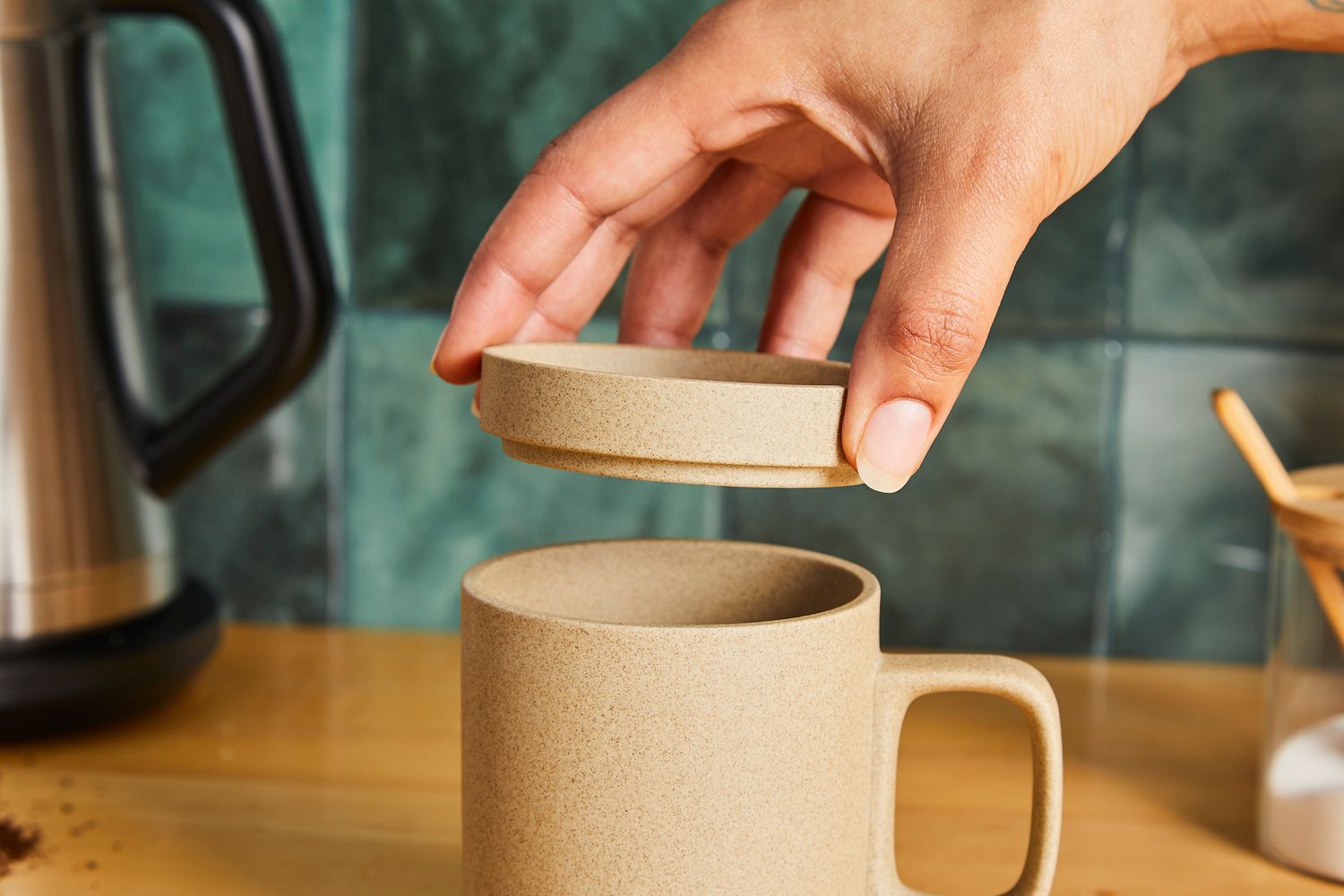

At first glance, the humble coffee cup seems trivial — a vessel that holds a hot drink. Yet recent research in design science, cognitive psychology, and sensory perception suggests that redesigning something as ordinary as a coffee cup can subtly shift how we perceive our environment, interpret sensations, and even approach everyday thinking. What follows is a deep dive into the fascinating intersection of cognitive science, design theory, and sensory experience, showing that a simple redesign can echo into our mental lives in surprising ways.
The Psychology of Everyday Objects
Human beings are pattern seekers. From a cognitive psychology perspective, our brains form mental shortcuts, expectations, and schemas based on repeated experiences. This pattern recognition allows us to navigate the world efficiently — but it also means that the objects we interact with every day shape our conscious and unconscious thinking. A coffee cup is no exception. Whether it’s its colour, shape, weight, or texture, the way a cup is designed directly influences our perceptual and cognitive responses to it.
Donald Norman’s foundational design texts argue that design is fundamentally a form of communication between the object and the user. Good design should make interactions intuitive and meaningful; poor design leads to confusion and frustration. Though Norman didn’t study coffee cups specifically, his principles apply to all objects we use daily.
In a broader sense, this reflects a design psychology principle: objects aren’t just functional, they are cognitive stimuli. The coffee cup becomes a silent messenger, influencing our expectations of taste, pleasure, and even social signaling.
Sensory Perception and Cross-Modal Influence
Scientific research has shown that the physical form of a drinking vessel affects not just function but sensory perception. A study comparing coffee cup shapes — tulip, open, and split designs — found that shape significantly influenced how drinkers rated aroma, flavour attributes like sweetness, and overall enjoyment. The shape of the cup can physically change how volatile aroma compounds concentrate near the surface, and psychologically prime the drinker’s expectations.

Similarly, colour matters: cups with different hues alter perceived intensity of flavours, illustrating “sensation transference” — where visual cues bias taste perception. A coffee in a brightly coloured cup can taste more vivid than the exact same coffee served in a neutral or transparent vessel.
In design psychology terms, these effects are examples of cross-modal correspondence — where one sensory modality (vision) influences another (taste). This reveals that redesigning the coffee cup isn’t just aesthetic; it alters the multisensory expectations and cognitive judgments we make every time we take a sip.
The Cognitive Ergonomics of Simple Tools
Cognitive ergonomics studies how design can align with human mental processes such as perception, memory, and reasoning. When products are designed with cognitive ergonomics in mind, they work with the user’s internal processing rather than against it. This means reducing cognitive load, making affordances — the possible interactions with an object — clear and intuitive, and providing feedback that matches our expectations.
Think of a poorly balanced cup: every sip becomes a moment of tension, diverting mental energy toward posture and grip. By contrast, a cup designed to fit comfortably in the hand becomes an effortless extension of intention. Over time, this subtle comfort contributes to habits of ease and focus, freeing cognitive resources for reflection and creativity.
Emotional and Symbolic Dimensions of Design
Beyond sensory perception and cognitive ergonomics, objects carry symbolic meaning. A coffee cup is embedded in culture — it can signal status, identity, morning ritual, and even social connection. Cup design can leverage symbolic cues that shape how we feel about ourselves and the act of drinking coffee. This is central to product design research linking aesthetics and symbolic meaning to user behaviour and preference.
For example, a minimalist ceramic mug might prime thoughts of calm and mindfulness, whereas a flamboyant, oversized travel mug evokes dynamism and mobility. These associations can subtly shape how we approach our day, and researchers have shown that product symbolism affects not just purchase intent but the meaning we attribute to the experience itself.
Rethinking Habits Through Design
Design has power not just to make objects look nicer, but to influence habits and behaviour. Habit formation is deeply embedded in cognitive routines — repeated stimuli trigger automatic responses over time. A redesigned coffee cup that alters sensory experiences, reduces physical discomfort, or fits more naturally into a daily ritual can shift the mental association with the act of drinking coffee.

When design intervenes in routine, it creates opportunities for mental reprioritization. For instance, if a cup is crafted to encourage slower sipping — through ergonomic weight distribution or lip shape — it can promote a more reflective mindset at the start of the day. This kind of intentional design acts as a micro-nudge: a subtle redesign that prompts people to slow down, savour, and perhaps think more deeply.
Design Thinking in the Coffee World
Design thinking — a human-centred approach that emphasises empathy, experimentation, and iteration — has begun to infiltrate the coffee industry. From packaging to brewing tools, designers are applying structured creative problem-solving to elevate experiences beyond function.
In this context, coffee cup redesign isn’t just an aesthetic or sensory issue — it’s a real design thinking challenge: how do we craft a tool that improves user experience, meets functional needs, and evokes meaning? Whether designers are prototyping interactive tableware or experimenting with dynamic, shape-changing liquid forms, the goal remains the same: deepen the connection between object and mind.
Creativity, Innovation, and Future Directions
As innovation continues to blur boundaries between physical objects and cognitive impact, the coffee cup might eventually emerge as a canvas for richer interaction. Imagine cups that respond dynamically to touch, cups that change colour with temperature, or forms that enhance aromatics through engineered geometry. Each innovation has the potential to do more than serve coffee — it can shape thought, mood, and even social interaction.
Designers and cognitive scientists alike increasingly see everyday objects as tools for shaping experience. When designers apply insights from psychology, sensory science, and cognitive ergonomics, the result is not merely a product with better form — but an object that resonates with human thought and behaviour in subtle, meaningful ways.
Conclusion: More Than Just a Cup
Could a coffee cup redesign change how we think? The answer — as emerging research suggests — is more nuanced than a simple yes or no. Redesigning a coffee cup alters sensory perception, influences cognitive expectations, enriches emotional symbolism, and can subtly shift daily habits. When objects are thoughtfully redesigned, they can become more than vessels; they become partners in human cognition. In an age where design permeates every aspect of life, even the simplest tools hold the potential to shape how we see, feel, and think.