








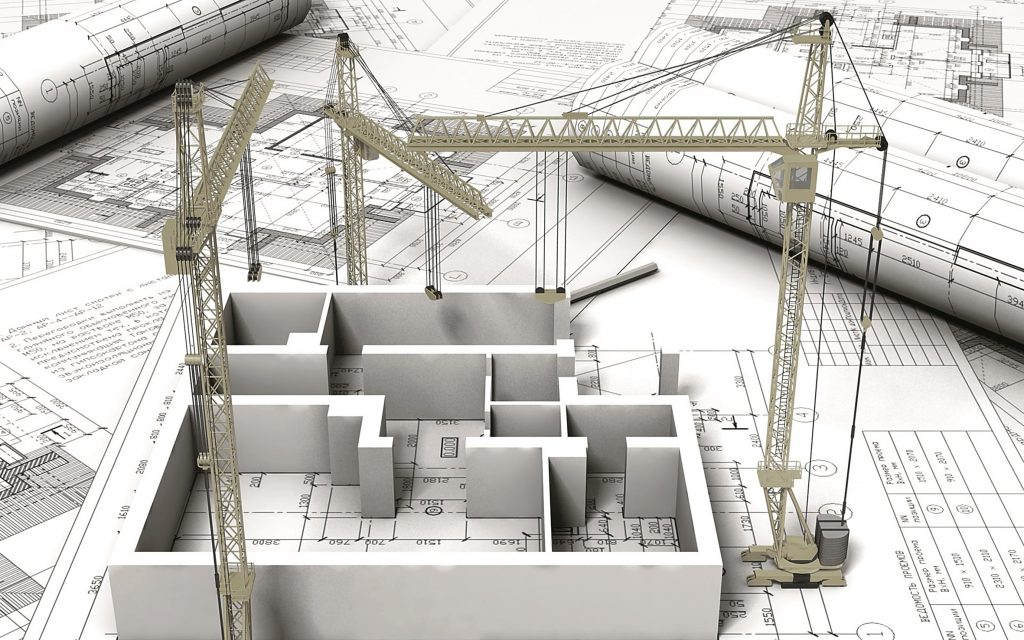

In the engineering world, a common truism has long held that function must precede form — that engineers should prioritize solving technical problems first and worry about beauty later. But what actually happens when engineers treat aesthetics as an afterthought or disregard it entirely? Does ignoring aesthetics harm technological adoption, user experience, or even the product’s success in the marketplace? Or are there cases where such defiance yields better outcomes? This deep dive explores the history, psychology, philosophy, and real-world consequences of engineering-first designs that choose function before aesthetics, what this means for users and industries, and whether this paradigm is still relevant in 2026’s integrated design landscape.
This is not a casual opinion piece — it’s an analytical journey into how and why aesthetics matters in engineering systems and why ignoring it can sometimes create wins and failures.
1. A Brief History: Form Follows Function — or Does It?
The phrase “form follows function” became a cornerstone of modern design philosophy in the late 19th and early 20th centuries, especially in architecture and industrial design. It argues that the shape of a structure or product should be primarily dictated by its purpose, not decoration.
This idea was popularized by architects and industrial designers who were reacting against overly ornamental forms that had little to do with usefulness — and thus, set the stage for minimalist and rational design thinking.
Yet, even its original adopters recognized nuances. A building or machine that serves human needs well also has social and symbolic roles; design is not just about mechanical function.
2. Engineering Without Aesthetics: What Happens Internally?
Engineers who sideline aesthetics typically prioritize technical correctness — structural integrity, efficiency, safety, and reliability. This approach has its virtues:
- High functional performance: The product or system does what it is supposed to do extremely well — often exceeding performance benchmarks.
- Cost efficiency: Aesthetics (materials, finishes, sculpted shapes) often add cost; leaving them out can lower production costs and simplify supply chains.
- Clarity and simplicity: For highly complex systems, focusing on function first can reduce unnecessary features and improve reliability.
However, such focus also has systemic blind spots:
- Reduced user empathy: Engineers may miss how design affects human perception, interaction, and emotional engagement.
- Obscured human values: Products with excellent function but dull appearance may still struggle to be accepted or trusted.
- Market underperformance: Even technically perfect products can get outcompeted by more appealing alternatives — particularly if the competition prioritizes both aesthetics and innovation.
3. User Perception: The Aesthetic–Usability Effect
One of the strongest arguments for aesthetics comes from cognitive psychology and user experience research: the aesthetic–usability effect. This is a well-documented bias where users perceive more visually pleasing products as more usable — even if the functionality is no different.
In simple terms: people forgive minor usability flaws when a design is beautiful, and they may even believe a well-crafted design works better. This effect matters for engineers because it means that ignoring aesthetics can lead users to prematurely judge a technically excellent product as frustrating or unintuitive.
But beware: aesthetics can mask problems only up to a point — users will eventually reject systems that fail in core functionality, no matter how pleasing they look.
4. Engineering Culture: Why Aesthetics Is Often Deprioritized
Engineers are trained to solve technical problems — failing safety tests, optimization constraints, control theory, performance metrics. Aesthetics, by contrast, is harder to quantify and often lacks the rigorous metrics engineers rely on. This cultural preference emerged because:
- Education focuses on fundamentals: physics, materials, structures — not subjective beauty.
- Tools and methods (e.g., FEA, simulations) emphasize performance over sensory experience.
- Historical norms treat aesthetics as the realm of designers — not engineers.
Yet, industrial history shows this dichotomy is artificial: iconic engineers often deliver elegant solutions precisely because beauty was implicitly considered in form and function.
5. Case Studies: Where Ignoring Aesthetics Brought Unexpected Results
Throughout history, products and systems designed to maximize technical performance at the expense of aesthetics have had mixed fates:
5.1 High-Performance Equipment That Shunned Beauty
In specialized industrial equipment or scientific instruments, aesthetics often took a back seat. These tools worked extremely well — but were intimidating, unapproachable, and rarely understood by outsiders. Their users tolerated visual austerity because function mattered most. However, when such equipment needed broader market adoption, they faced branding challenges.
5.2 Software Tools With Brutalist Interfaces
Many engineering and scientific software interfaces are notoriously ugly by modern UX standards. These tools are powerful, trusted by professionals, and built for accuracy. But poor visual cues contribute to steep learning curves, lower productivity for novice users, and error proneness in complex tasks. The aesthetic–usability effect predicts that such tools are often perceived as harder to use — and this perception can influence training costs and adoption rates.
5.3 Consumer Products That Failed Without Beauty
Products that match competitors in performance but are perceived as ugly often lose market share. Consumers today look for both performance and design appeal — so products that ignore aesthetics risk being seen as outdated or unworthy of consideration, regardless of their engineering credentials.
6. The Balance Between Beauty and Function in Engineering
The real world rarely rewards extremes. Today’s most successful products integrate function and aesthetics in a holistic unity:
- Beautiful interfaces can improve usability and trust.
- Elegant structure can improve performance (e.g., biomimetic designs).
- Intuitive form invites exploration, reduces errors, and strengthens adoption.
Modern design research emphasizes that functionality and aesthetics are not binary; they are part of a continuum of user-centered design that includes creativity, usefulness, and experiential value.
:max_bytes(150000):strip_icc()/architecture-Prudential-cornice-Dacoslett-WC-crop-5bda339c46e0fb0051bf28f4.jpg)
In some design disciplines, a third principle is gaining traction — meaning or semantics — which goes beyond both form and function to consider what a product signifies in people’s lives.
7. When Aesthetics Become Function
There are cases where aesthetics becomes part of the function itself. For example:
- In user experience design and UX engineering, aesthetic cues guide interaction flows.
- In architectural engineering, spatial beauty influences human behaviour and well-being.
- In brand-sensitive products, aesthetic appeal shapes perceived quality and market value.
Such examples prove that aesthetics is not merely a decorative add-on — in many domains, it is a functional dimension of user satisfaction and product effectiveness.
8. The Future: Integrated Design Thinking
By 2026, engineering fields increasingly embrace integrated design thinking that values:
- Human psychology
- Cognitive biases
- Emotional responses
- Cultural meaning
Engineers who learn aesthetic principles alongside technical mastery are better equipped to build products that resonate with both machines and people.
This is not about beauty for beauty’s sake — it’s about designing solutions that are effective, engaging, trustworthy, and adoptable.
Conclusion: What Happens When Engineers Defy Aesthetics First?
Defying aesthetics is not inherently wrong — it can produce clear, robust engineering outcomes. But it often carries hidden costs:
- Poor user perception
- Lower adoption
- Lack of emotional engagement
- Market underperformance
In a world where engineering systems increasingly interact with humans at every level — from industrial machinery to AI interfaces — beauty, meaning, and usability have become essential performance indicators, not luxuries. The smartest engineers today know aesthetics is a tool — not an obstacle — and they wield it to improve solutions, user trust, and overall success.