








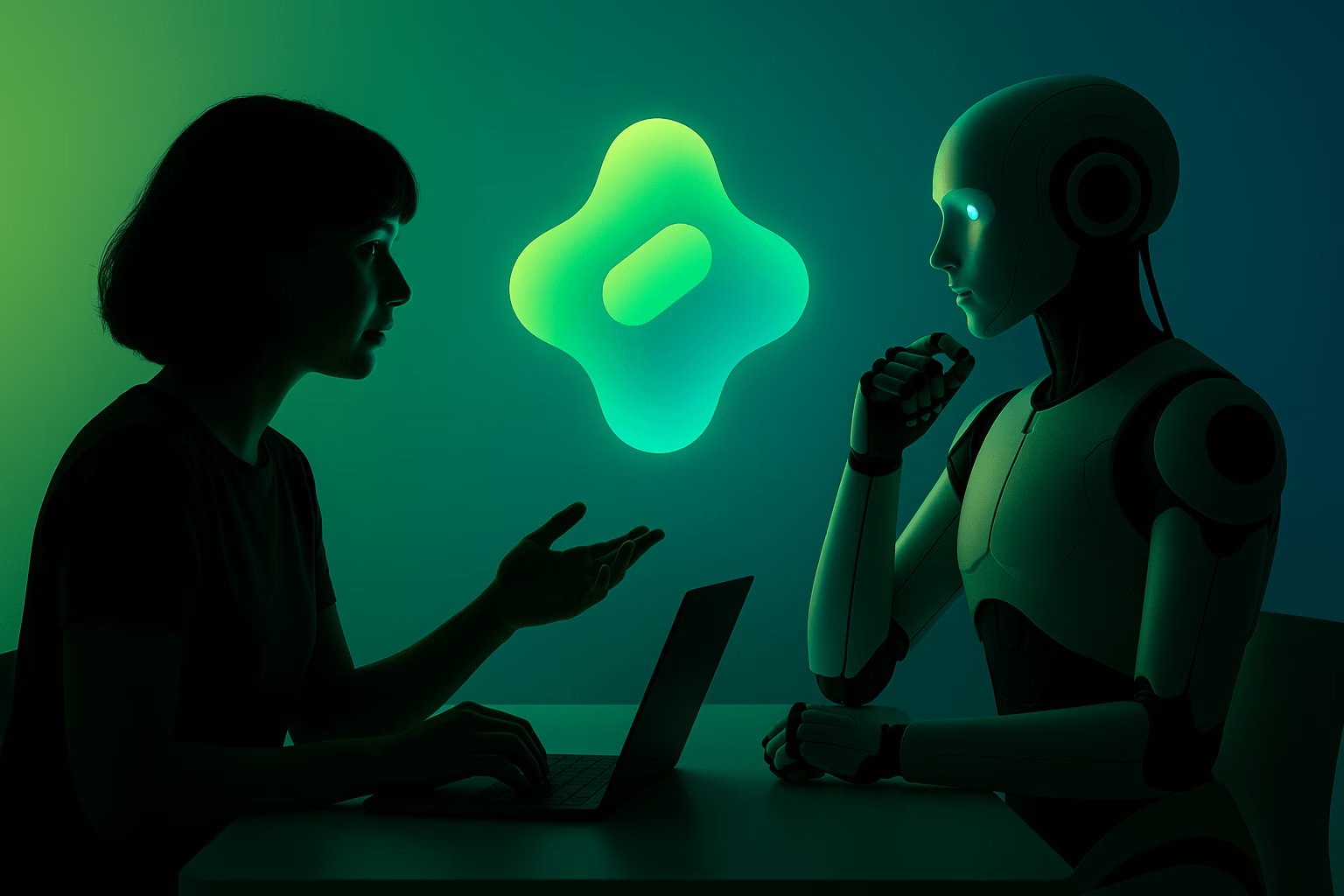

In the dawn of the 21st century, machines went from performing rote physical labor to mastering complex cognitive tasks. Today, artificial intelligence (AI) doesn’t just compute numbers—it sketches, iterates, simulates, prototypes, and even predicts what might work before a human ever puts pen to paper. But can AI truly build better prototypes than humans? Is this a future scenario or a present reality?
This question cuts to the core of design, engineering, product development, UX innovation, and even creativity itself. To unpack this, we need to examine how prototypes are conceived, what “better” even means, and where AI’s strengths and limitations lie in comparison to human expertise.
What Is Prototyping, Really?
Prototyping is the act of making a testable representation of an idea—a physical model, a mock‑up, a clickable UI, a code snippet, or even a simulation that shows how something might feel or work. In modern product development, prototypes serve three fundamental purposes:
- Clarity – Distill abstract ideas into concrete experiences.
- Feedback – Expose assumptions to user testing and observation.
- Iteration – Enable learning loops that teach teams what works and what doesn’t.
Traditional prototyping embraces uncertainty, embraces failure, and celebrates ambiguity—because it’s usually the point where teams learn the most.
How AI Is Entering the Prototyping Process
From no‑code platforms and generative design algorithms to large language models (LLMs) that can suggest features or auto‑generate flow charts, AI is no longer a distant collaborator—it’s becoming central to prototyping workflows. According to research on AI in design thinking, AI can increase the velocity, volume, and variety of design candidate generation compared to conventional human workflows. These capabilities help teams explore more options quickly and without fatigue.
In practical terms, designers already use AI tools to:
- Turn concept descriptions into visual mock‑ups.
- Generate multiple layout options automatically.
- Predict user flows and interaction sequences.
- Auto‑suggest accessibility adjustments or error states.
- Rapidly refine prototypes based on feedback loops.
AI’s ability to churn out iterations is not bound by human fatigue or timeline constraints.
Can AI Be “Creative”? The Human Creativity Debate
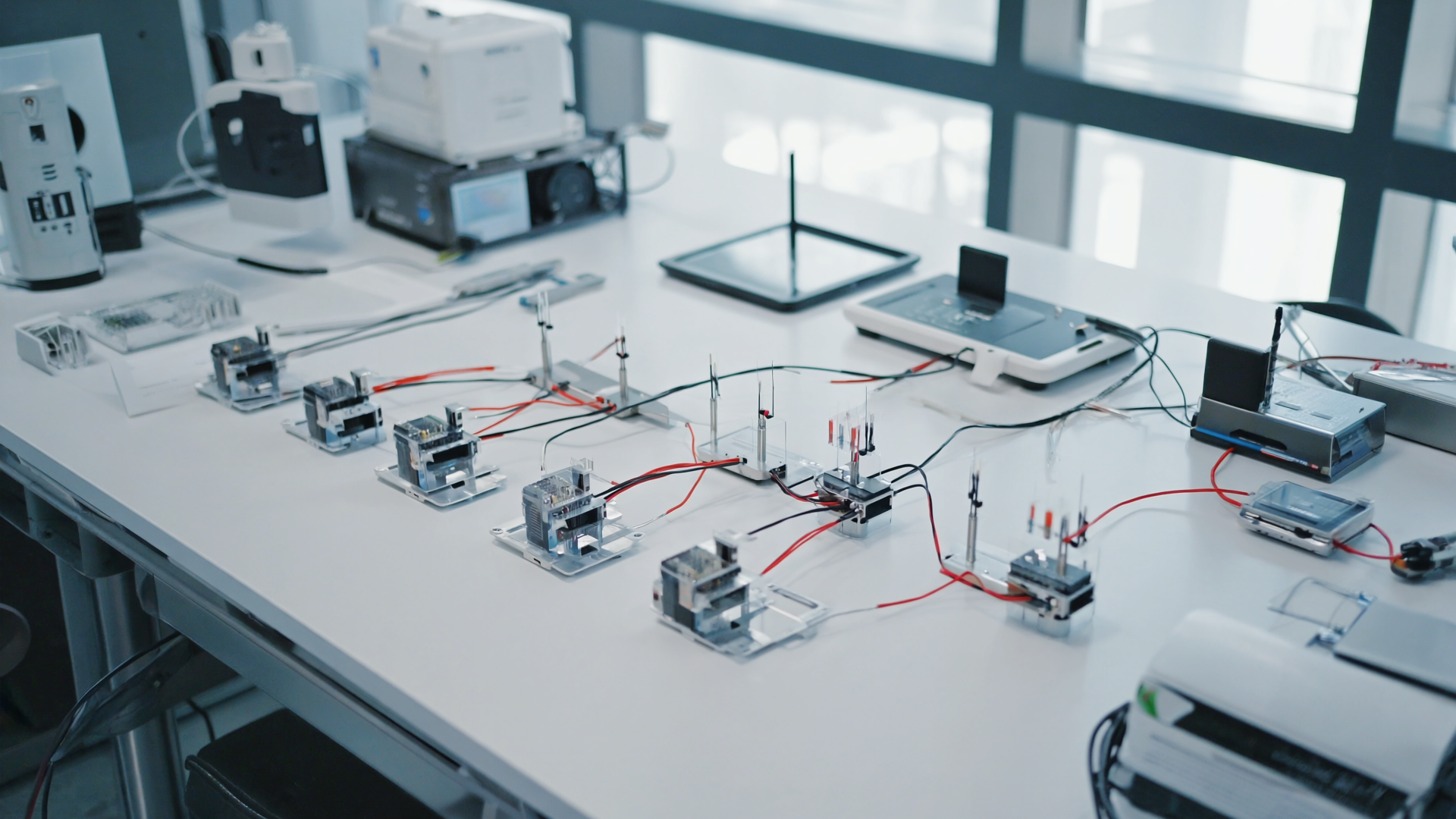
One of the most contentious points in this discussion is creativity. Can an AI truly imagine something novel the way a human can?
AI’s creative output is bound by its training data—it doesn’t invent contexts the way humans do. Without consciousness or lived experience, AI cannot truly understand human culture, emotions, or meaning in the sense humans do. It can recombine patterns and suggest possibilities, but it doesn’t choose with intent and foresight the way a human designer does.
Studies show that while AI may produce design suggestions that feel novel, the lack of contextual reasoning means its “creativity” is of a different kind—pattern synthesis rather than intentional insight.
Thus, AI may appear creative but does so without purposeful semantics or deep understanding. It’s like assembling puzzle pieces without knowing the picture on the box.
Empirical Insights: AI vs. Human and Human-AI Collaboration
Recent design science research compared prototypes and design solutions generated by humans alone, AI alone, and human–AI collaborations. The results are nuanced:
- AI alone can generate a greater number of design options and styles across early stages than a human working alone.
- Humans alone, especially experts, often produce more refined contextual understanding when prototypes need deep insight into real‑world constraints.
- Human–AI collaboration, in many controlled studies, generated higher quality outcomes overall—especially in ideation and exploration phases—than either humans or AI working alone.
This suggests the real breakthrough isn’t AI replacing humans, but AI augmenting human designers in ways that amplify strengths and mitigate weaknesses.
Where AI Excels in Prototyping
There are specific stages and functions where AI shines, sometimes even outpacing humans:
1. Rapid Ideation
AI can output dozens or hundreds of alternative designs and ideas in a fraction of the time it would take a human, vastly expanding the exploration space.
2. Automated Iteration
AI systems are unburdened by repetition. They can churn through variants and help surface unexpected design configurations that humans might overlook due to cognitive biases.
3. Pattern Recognition
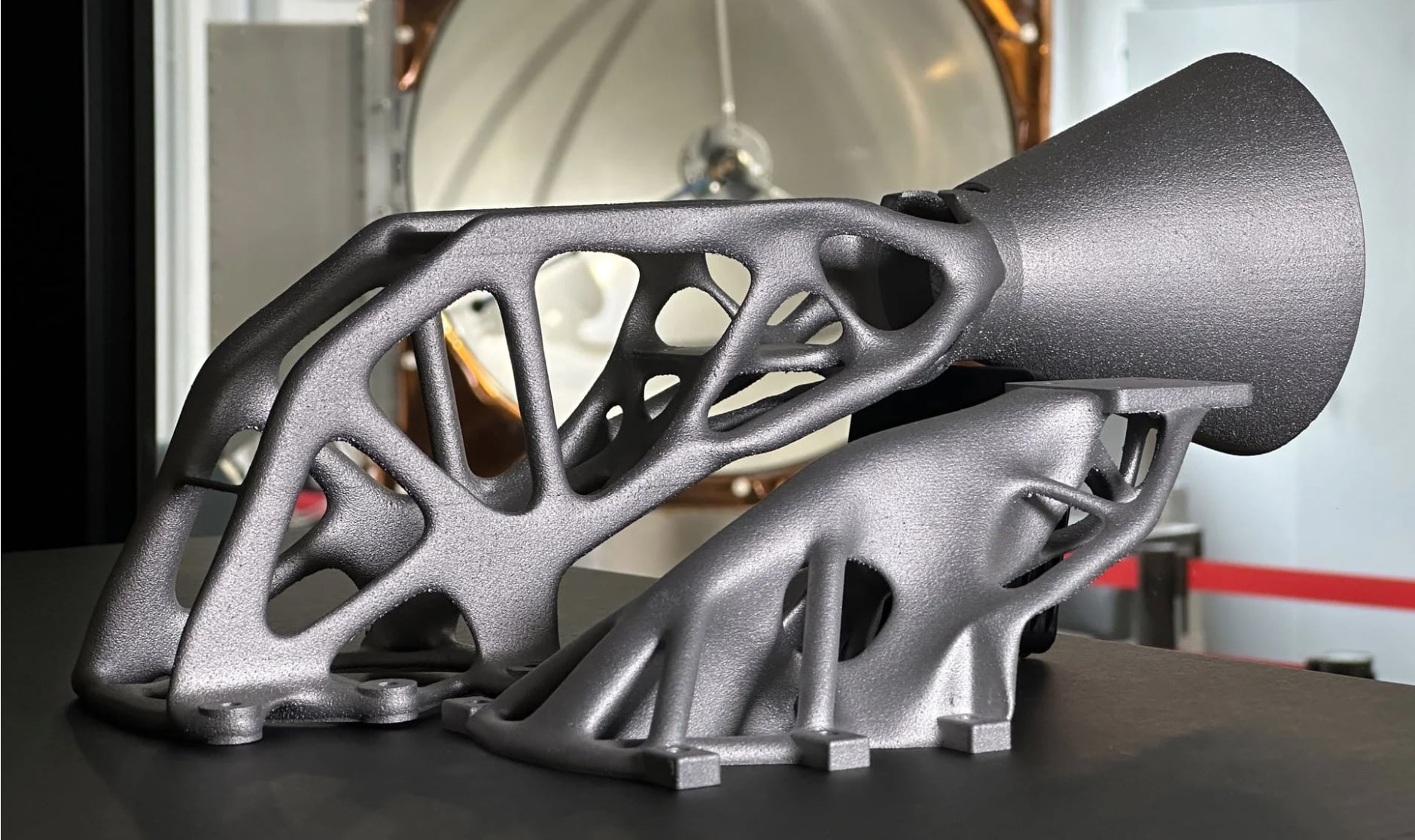
AI trained on massive datasets often identifies patterns that humans miss—especially in large, data‑rich problem spaces like interaction flows or ergonomic configurations.
In essence, where brute‑force computation matters—AI holds a clear edge.
Where AI Falls Short
Despite these advantages, AI still lacks competencies that human designers possess inherently:
1. Contextual Judgment
Humans understand context, culture, meaning, and human behavior nuances—areas where AI is fundamentally limited.
2. Emotional Intelligence
Design decisions often hinge on empathy and human experience—AI can generate options, but it doesn’t feel user delight or frustration.
3. Value‑based Decision Making
Prototypes are not just technical exercises—they are value decisions. Humans evaluate trade‑offs based on ethics, brand identity, and business goals. AI does not have intrinsic values or goals.
Many studies caution that when AI is used too aggressively without human oversight, it can even hinder divergent thinking by anchoring ideas to familiar patterns.
The Future of Prototyping: More Than Automation
If we define “better prototypes” merely by quantity or speed, AI often wins. But if we define “better” by meaningful outcomes, context‑aligned usability, and human resonance, the answer is more conditional.
Rather than “AI vs. Human,” the evidence increasingly points to AI as a co‑creator—a collaborator that expands human capacity. Current research shows that frameworks integrating human and AI inputs throughout the design process often outperform solo efforts in creativity, efficiency, and quality.
This doesn’t mean humans become redundant. Instead, human designers will likely shift roles:
- from manual prototyping tasks
- to strategic guidance, contextual reasoning
- to evaluation and ethical judgment
- to shaping AI suggestions toward user‑centric outcomes
The AI is not the hero—it’s the amplifier.
Key Principles for AI‑Powered Prototyping Success
To fully leverage AI effectively, teams should:
- View AI as a tool not an authority.
- Maintain clear criteria for user needs, ethics, and context.
- Integrate human evaluation throughout the process.
- Use AI to expand possibilities, not to decide final outcomes.
- Combine human insight with machine efficiency for balanced innovation.
Rather than asking “Can AI build better prototypes than humans?”, the more pragmatic question becomes:
“How can we design systems where AI and human strengths complement each other to build the best prototype possible?”
And today, the answer leans strongly toward collaboration.