









Introduction
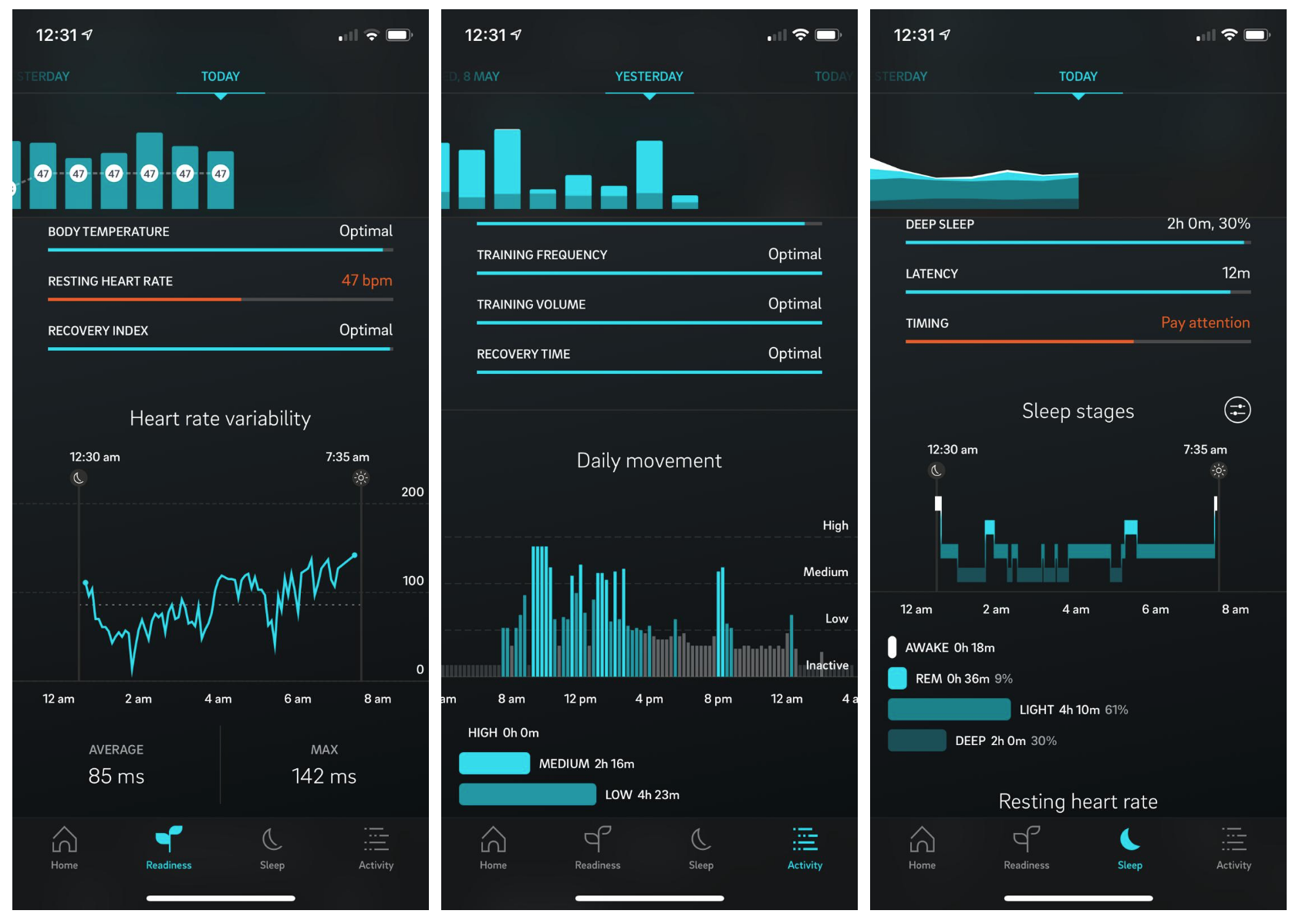
In 2026, heart rate variability (HRV) has become a household term. It’s on smartwatches, fitness trackers, and health apps. Regardless of whether you’re an athlete, a biohacker, a stressed professional, or simply someone curious about your body’s internal rhythms, HRV shows up as a key metric. But beneath its seemingly simple numbers lies a complex biochemical and psychological story.
At the heart of the debate is a provocative question: does HRV actually predict stress—or is it misleading us? This article delves into the science, the practical applications, the limitations, and most importantly the nuanced truth about HRV and stress.
What Is Heart Rate Variability?
Heart rate variability is not what most people imagine when they hear the word “heart rate.” It doesn’t measure how fast your heart beats. Instead, HRV measures the tiny fluctuations in time between successive heartbeats. This variability reflects the dynamic interplay between two major branches of your autonomic nervous system:
- Sympathetic Nervous System (SNS): Often labeled the “fight or flight” system. It accelerates heart rate and prepares the body for action.
- Parasympathetic Nervous System (PNS): Often labeled the “rest and digest” system. It slows the heart rate and supports recovery.
When the PNS is dominant, HRV tends to be higher. When the SNS dominates (such as during physical exertion or stress), HRV tends to be lower. This relationship is the scientific basis for using HRV as a proxy for autonomic balance and stress.
The Science Behind HRV & Stress
HRV Reflects Autonomic Nervous System Activity
At a physiological level, HRV reflects how flexibly your body adjusts to changing demands. Higher HRV is generally interpreted as “good,” indicating a responsive and adaptable autonomic nervous system. Lower HRV suggests the system is less responsive, potentially indicating stress, fatigue, or disease.
However, context matters. HRV isn’t a stand‑alone “stress detector.” It is influenced by many factors:
- Time of day
- Recent physical activity
- Sleep quality
- Hydration
- Illness
- Emotional arousal
- Caffeine, alcohol, and medication
All these factors influence HRV independent of psychological stress. This is a crucial point often overlooked in mainstream interpretations.
Laboratory Evidence
Numerous laboratory studies demonstrate that HRV does change under stress:
- In controlled settings where stressors like mental arithmetic or physical exertion are applied, HRV tends to decrease, signaling sympathetic dominance.
- Meta‑analyses of HRV research show clear patterns linking low parasympathetic activity (and therefore lower HRV) with stress responses.
These results suggest that HRV captures real physiological responses to stress—but with important caveats (which we’ll explore next).
Where HRV Truly Shines

Objective Physiological Stress
In controlled environments, HRV offers objective, non‑invasive insights into how the body responds to acute stress:
- In simulations of medical emergencies, HRV changes follow predictable patterns as clinicians respond to stress.
- Post‑stress recovery patterns in elite performers show distinct HRV responses that correlate with resilience and performance under pressure.
These findings are especially valuable in research and high‑stakes performance settings where accurate physiological measures are essential.
Autonomic Flexibility and Resilience
Rather than being a pure “stress meter,” HRV is a marker of autonomic flexibility—your body’s ability to shift between rest and action. Higher HRV at rest is linked to better emotion regulation and adaptability. One study showed individuals with higher resting HRV exhibited less negative emotional response to daily stressors.
This suggests that HRV is not just a stress predictor—it’s a resilience predictor.
Stress Recovery Patterns
HRV also offers predictive insights during post‑stress recovery. Those whose HRV rebounds quickly after stress may have better long‑term stress tolerance and recovery capabilities.
Important Limitations: When HRV Can Mislead
Despite its promise, HRV is not a magic stress bullet. Its interpretation must be cautious and context‑aware.
Wearables vs. Real Life
Wearables like smartwatches make HRV accessible, but real life is messy. A large longitudinal study found that although HRV does correlate with perceived stress, it explains only a small proportion of the variance in everyday life — far less than in controlled labs.
In other words:
HRV may signal stress — but it shouldn’t be used as a stand‑alone indicator of perceived psychological stress in everyday settings.
This is a key point for both consumers and clinicians.
Confounding Emotional States
HRV also reflects emotional arousal that isn’t stress. Excitement, anxiety, and other emotions may all influence HRV similarly. In real life, HRV often correlates with anxiety, negative mood, and even positive affect — complicating interpretation.
Individual Differences
What is “high” HRV for one person might be “low” for another. Age, gender, training history, genetics, and even circadian rhythms play significant roles. This variability makes population norms less useful than personalized baselines.
Wearable Algorithm Limitations
Wearables often use proprietary algorithms that convert raw data into simplified “stress scores.” These scores may mix heart rate, HRV, activity, and sleep metrics — and are influenced by the sensor’s quality and measurement conditions. As users on forums frequently note, these scores can appear inconsistent or “wrong” in real life.

How Not to Misinterpret HRV
To avoid being misled by HRV, consider these evidence‑based best practices:
1. Always Compare to Your Personal Baseline
Absolute numbers are less useful than changes relative to your own typical range. Trends are more meaningful than single readings.
2. Contextualize with Behavior
A low HRV reading during exercise or after poor sleep likely reflects physiological load, not psychological stress.
3. Use Multiple Measures
Combine HRV with other indicators like self‑report stress scales, sleep tracking, and mood assessments. HRV is one piece of a multi‑dimensional puzzle.
4. Time Window Matters
Short HRV readings are convenient but less reliable. Studies show that longer or well‑timed windows (e.g., during restful periods) can offer stronger associations with perceived stress.
5. Beware of Over‑Simplified “Stress Scores”
Apps often reduce complex physiology to a single number. Use those with healthy skepticism — and understand what they are actually measuring.
The Big Picture: Predictive, But Not Definitive
HRV’s relationship with stress is real but limited:
- It reflects physiological stress and autonomic balance.
- It correlates with stress responses, especially under controlled conditions.
- It does not reliably predict subjective psychological stress in everyday life without context and supporting data.
In short:
HRV predicts aspects of stress physiology, but can mislead if treated as a definitive stress detector.
Modern science sees HRV not as a stress answer, but as a window into the complex interplay between body, brain, and emotion.
What the Future Holds
Emerging research is expanding beyond HRV alone:
- Multimodal stress detection systems are combining HRV, cortisol, EEG, and behavioral data to create personalized stress profiles.
- Machine learning models are attempting to improve generalizability of HRV‑based stress detection across diverse settings.
These approaches don’t treat HRV as a single “truth meter,” but as one powerful signal among many.
Practical Takeaways
If you’re using HRV as a stress tool:
- Treat it as a trend indicator, not a definitive diagnosis.
- Keep personal baselines and long‑term data.
- Understand that lifestyle factors heavily influence readings.
- Combine HRV with subjective measures and professional guidance when possible.
If you’re designing technology around HRV:
- Don’t rely on HRV in isolation. Integrate context awareness, multi‑modal inputs, and personalization algorithms.
- Validate across real‑world, naturalistic datasets, not just controlled labs.
Conclusion
Heart rate variability is a fascinating and valuable biometric. Its predictive power for stress physiology is supported by numerous studies. However, its limitations in applied settings — especially when translated into consumer wearable stress scores — show that HRV is more nuanced than many popular narratives imply.
Instead of asking “Does HRV measure stress?”, the better question is:
“What aspect of stress or physiology does HRV reflect — and what does it not?”
This shift reframes HRV as a thoughtful tool, not a misleading shortcut.