








In the age of smartphones and smart rings, dashboards aren’t just for business anymore. They’ve entered our bedrooms, wrists, and even our pocket‑sized computers, promising real‑time insights into our bodies. But can a self‑built or consumer health dashboard—assembled from wearable devices, apps, and personal health data—really predict future illnesses? Like a seasoned detective piecing together clues, can your own data reveal the onset of disease before any symptoms appear?
This comprehensive article takes you on a journey from the fundamentals of health dashboards and predictive analytics, to the scientific limitations, ethical considerations, technical challenges, and the future potential of DIY predictive health. By the end, you’ll not only understand what these tools currently can and cannot do—but what they might be able to do as technology evolves.
1. What Is a Health Dashboard?
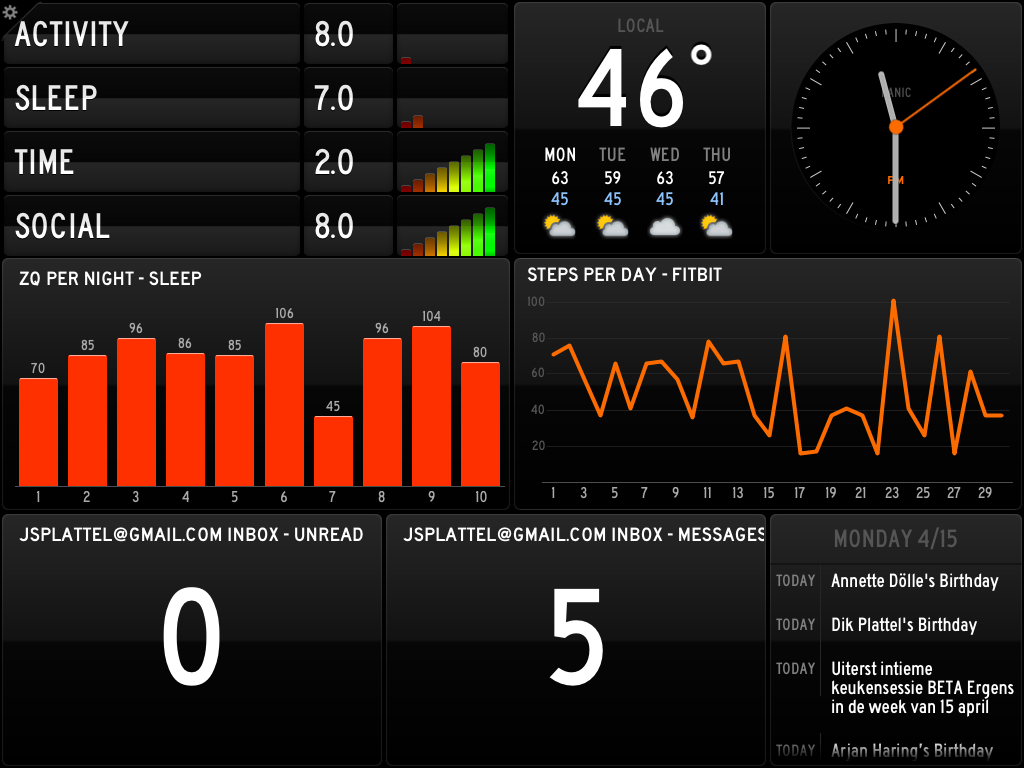
A health dashboard is a digital interface that brings together numbers from different sources—wearables, apps, lab results, manual entries—into a unified view. Think of it like your car’s dashboard, but instead of speed and fuel, you see heart rate trends, sleep patterns, blood markers, and activity levels. These dashboards often use charts, graphs, and alerts to help you interpret complex health data.
At its simplest, a dashboard might show you how many steps you’ve taken this week. At its most complex, it can integrate continuous biometrics, medical records, and lifestyle data to identify subtle trends that might otherwise go unnoticed.
So far, such dashboards are excellent tools for monitoring health, boosting engagement, and encouraging preventive behavior—but the leap from “monitoring” to predicting illness is a high one.
2. The Science Behind Prediction: What Predictive Analytics Really Means
To evaluate whether DIY health dashboards can predict illness, we need to understand how predictive analytics works in healthcare.
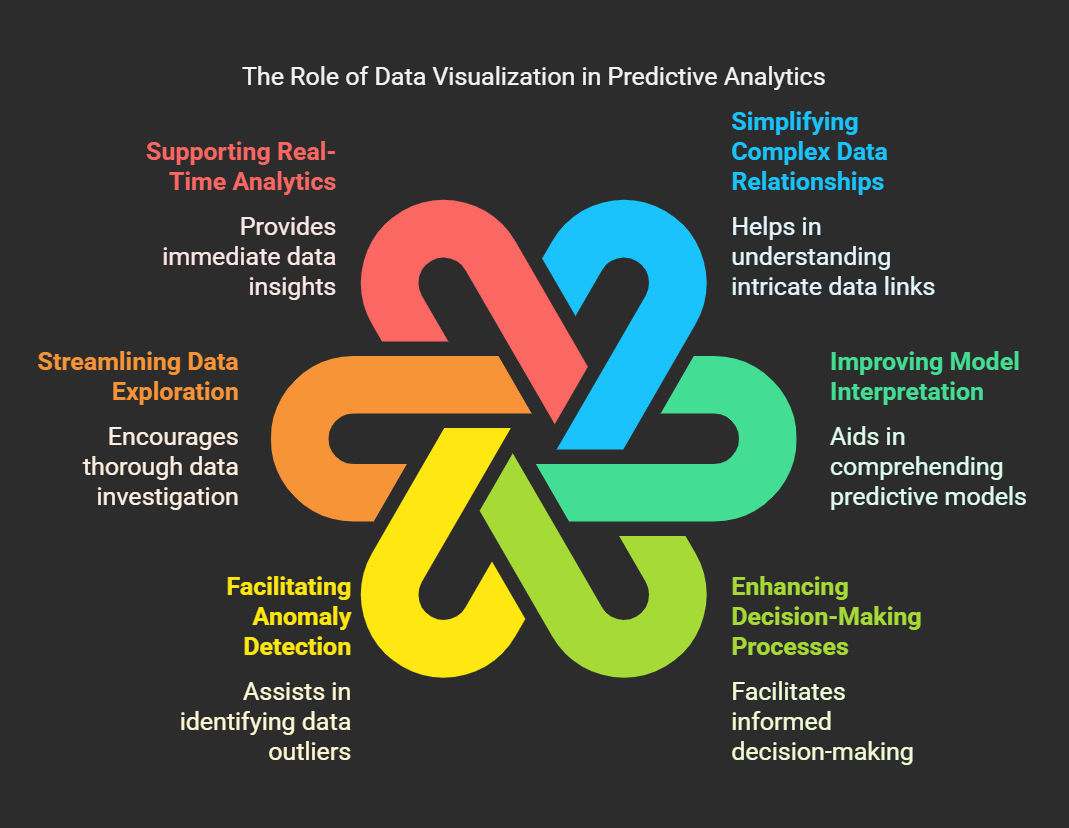
Predictive analytics combines historical and real‑time data with advanced statistical models—often powered by artificial intelligence (AI) and machine learning—to forecast the likelihood of future outcomes. In healthcare organizations, this approach is used to estimate risks such as hospital readmissions, disease progression, or treatment outcomes.
But there’s a critical distinction: institutional predictive models often rely on large populations and validated clinical data, whereas DIY dashboards rely on individual, often noisy data streams. That means while the theory of prediction is well‑established, the application at the individual, home‑built level remains limited—but evolving.
3. DIY vs. Clinical Predictive Dashboards
DIY Dashboards
DIY health dashboards are constructed using consumer devices and personal health logs. Examples include syncing Apple Health, Fitbit, Garmin, or Oura Ring data into a central interface like Heads Up Health, where trends and correlations can be visualized.
Advantages of DIY dashboards:
- Personalized: Tailored to your own data and goals.
- Insightful: Trend lines and patterns help illuminate behavior effects.
- Motivational: Seeing progress fuels positive habits.
Limitations of DIY dashboards:
- Data Quality: Consumer metrics can be inconsistent or affected by device error.
- Lack of Clinical Validation: Many dashboards are not designed with predictive medical models.
- Context Matters: Without clinical context, correlations may be misleading.
Clinical/Institutional Predictive Dashboards
Clinical predictive dashboards are built on validated data and models, often incorporating electronic health records (EHRs), lab results, and population‑level statistics. These systems can stratify risk for chronic disease progression, hospital readmission, or acute events. Predictive models here may factor in genetic, clinical, and demographic data that DIY systems cannot access.
This stark difference means that while consumer dashboards are useful for awareness and trend detection, they are not yet reliable stand‑alone tools for medical prediction.
4. Current Capabilities of DIY Health Dashboards
Although DIY dashboards aren’t ready to replace a physician’s risk assessment, they have some notable strengths:
A. Early Trend Recognition
DIY dashboards help you spot patterns over time—like rising resting heart rate or declining sleep quality—that might precede illness. These patterns provide personal insight that would otherwise be invisible on isolated data points.
B. Behavior–Health Linkages
Tracking food, sleep, exercise, and stress in one place can help reveal connections between lifestyle choices and physical outcomes. That’s especially powerful for preventive behavior change.
C. Risk Awareness
Some dashboards include generalized risk scores—for example, “health scores” intended to publish a directional view of overall wellness. These scores represent indicators rather than objective predictions of disease.
5. Why DIY Dashboards Are Not Yet Predictive
Despite the hype, there are several key reasons DIY dashboards cannot reliably predict disease on their own:
1. Lack of Clinical Ground Truth
Predictive models in medicine rely on large annotated datasets and validated markers (like blood biomarkers, genetic profiles, clinical histories). DIY dashboards typically don’t integrate such robust clinical evidence. Without this ground truth, prediction models risk drawing mistaken conclusions.
2. Data Fragmentation
Consumer devices often store and sync data in different formats and quality levels. This fragmentation makes it hard to cleanly integrate data for robust predictive modeling.
3. Noise and Bias
Self‑tracked data can be noisy, inconsistent, and influenced by device variability, user compliance, and lifestyle factors. Unlike controlled clinical data, these signals are hard to model accurately.
4. Model Validity and Generalizability
Machine learning models need training on large and diverse datasets to be both accurate and unbiased. DIY models trained on a single user’s data lack generalizability and can overfit, meaning they describe the past well but fail to forecast reliably.

6. Where DIY Prediction Could Go Next
Even though DIY dashboards aren’t predictive yet, the horizon is promising. Here’s where the field is headed:
A. Integrated Data Platforms
Future dashboards may be able to pull in EHRs, lab results, genetic data, and wearable metrics to create a richer data foundation—approaching the depth of clinical systems.
B. AI‑Driven Predictive Features
As machine learning evolves, personal dashboards could give probabilistic insights—e.g., “Based on observed blood sugar trends, you are at elevated risk for prediabetes in the next 12 months”—though such predictions would need rigorous validation.
C. Personalized Preventive Interventions
The real power lies not just in prediction but in actionable recommendations. Dashboards that suggest behavior adjustments based on risk trends could become powerful tools in preventive care.
7. Ethical and Privacy Considerations
Collecting and analyzing health data—especially potentially predictive insights—raises serious ethical questions:
• Privacy: Personal health data is extremely sensitive. Secure storage and user consent must be prioritized to avoid misuse.
• Data Ownership: Who owns the health data generated by devices—users, device companies, or platform providers?
• Misinterpretation Risks: Predictive insights can be misunderstood by lay users, potentially causing anxiety or inappropriate self‑diagnosis.
These concerns raise the need for transparent analytics and ethical guardrails, even in DIY tools.
8. Real‑World Examples and Research
Several real‑world platforms demonstrate aspects of predictive health:
- Heads Up Health aggregates wearables and labs into visual dashboards for personalized insights.
- Research shows that digital dashboards can enhance preventive tracking and early intervention efforts by visualizing subtle health changes.
- Clinical predictive dashboards are already used in hospital settings to forecast risks like readmission or adverse events.
What’s largely missing, however, is a validated, individual‑level predictive model built from consumer data alone that meets clinical standards for accuracy.
9. The Bottom Line: What DIY Dashboards Can and Can’t Do
DIY Health Dashboards can:
- Visualize long‑term trends and patterns in personal health data.
- Support behavior change and preventive lifestyle adjustments.
- Aggregate data from wearables, mobile apps, and self‑entered metrics.
DIY Health Dashboards can’t yet:
- Provide clinically reliable predictions of future illnesses.
- Replace professional medical diagnostics or risk models.
- Deliver validated predictive insights without clinical data integration.
In short: DIY dashboards are powerful monitoring tools, but prediction remains a frontier that requires stronger data foundations and validated modeling techniques.