










In an era where biohacking, precision health and AI‑driven wellness trends dominate social feeds and ad banners alike, the idea of a personalized supplement stack sounds like the logical evolution of health optimization. But beneath the buzzwords and glossy “science‑backed” claims lies a much more nuanced truth. Are these tailored stacks genuinely effective, or are they just clever packaging riding the coattails of the placebo effect?
This deep dive will explore what personalized supplement stacks are, the scientific evidence for and against them, how placebo effects intertwine with real biological outcomes, and how to think critically—and scientifically—about this booming wellness frontier.
What Exactly Is a Personalized Supplement Stack?
At its core, a supplement stack is a curated group of vitamins, minerals, botanicals, amino acids, or other compounds intended to work synergistically toward a health goal—whether that’s cognitive focus, metabolic performance, sleep enhancement, or immune support.
A personalized stack takes this a step further by tailoring the recommendations based on individual data—often blood biomarkers, lifestyle habits, diet, genetic information, or AI analysis—to craft a unique regimen just for you.
Unlike generic multivitamins or one‑size‑fits‑all protocols, the promise of personalization is seductive: No more guesswork—just evidence‑based supplementation optimized for your biology.
But does the data back up this lofty claim?
The Science Behind Personalization: More Than Marketing?
The idea of customizing supplementation isn’t pure fantasy. On the cutting edge, biomarker‑guided supplementation shows promise. A recent narrative review highlights how using blood biomarkers and even artificial intelligence to tailor supplement doses could offer precision nutrition that’s more effective and safer than generic advice.
Similarly, controlled clinical studies show that AI‑guided supplement prescriptions can produce measurable health benefits. For example, in one pilot study involving individuals with elevated LDL cholesterol, those assigned to receive an AI‑guided supplement regimen saw significantly greater reductions in LDL levels compared with traditional physician‑guided approaches.
These findings suggest that, at least in some settings, when stacks are founded on clinical data and objective health metrics, they can produce benefits beyond what a placebo might achieve.
However, this is not the complete picture.
The Placebo Effect: A Powerful Force in Health Outcomes
To understand why personalized stacks are often accused of being placebo in disguise, we need to unpack what “placebo” really means—and why it’s surprisingly potent.
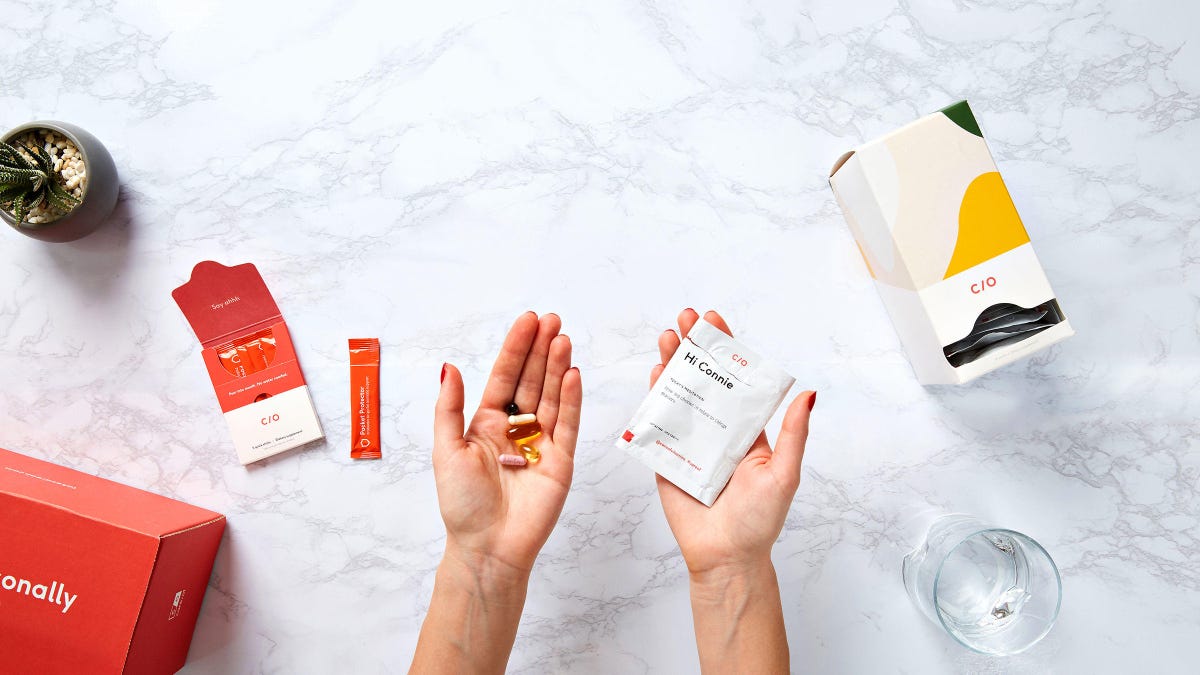
The placebo effect isn’t just about “fake pills”—it’s a genuine psychobiological response where expectation alone can trigger measurable changes in perception and physiology. Classic placebo research shows that even saline injections believed to be analgesics can reduce pain in some patients.
Placebos can influence subjective symptoms like mood, energy, fatigue, and even aspects of pain perception. This is especially relevant in the supplement world, where many outcomes (e.g., feeling more focused, less fatigued, or more motivated) are subjective and open to expectation bias.
Evidence vs. Hype: Where Personalized Stacks Often Fall Short
Despite the promise of personalization, the supplement industry is still rife with inconsistency:
- Many widely marketed supplements lack robust clinical evidence supporting their health claims—even when they’re bundled into “premium stacks.” Some popular products have virtually no controlled clinical trials to substantiate their advertised benefits.
- Meta‑analyses on common supplements (e.g., omega‑3s, herbs, nootropics) yield mixed or minimal effects on key health outcomes in healthy populations.
- Supplements that might have benefit in clearly deficient individuals (e.g., vitamin D for deficiency) often show negligible benefits in replete people.
In many cases, poorly sourced or widely hyped supplements are bundled into a “stack,” and the total effect is assumed to be more than the sum of its parts—without rigorous evidence to support that assumption.
This doesn’t necessarily mean the stack only works because of placebo, but it does raise questions about how much of the benefit is due to true biological effects versus expectations and anecdote.
Why Personalized Stacks Seem Effective—Even If They’re Not
Several factors make personalized stacks feel convincing, even if the objective science is thin:
1. Confirmation Bias
When people believe a stack will make them feel better, they are more likely to interpret subtle changes as positive—even if those changes are normal day‑to‑day variation.
2. Small Physiological Effects Seen as Big Wins
Supplements with modest effects (e.g., slight tweak in energy or focus) can feel dramatic to a user, especially if they’re tracking intimately. These small, subjective changes can feel like “proof” even when the objective effect size is minimal.
3. Lifestyle Confounds
People who invest in personalized stacks often also engage in other health‑oriented behaviors—better sleep, healthier diets, exercise—that can drive improvements. It’s hard to isolate the effect of the supplements themselves without well‑controlled studies.

4. Industry Incentives and Hype
A booming elite market around personalization means more marketing, more influencers, and more narratives that assume efficacy before solid evidence exists.
When Personalized Stacks Are Not Placebo
Despite the hype and skepticism, there are contexts where personalized supplement stacks have real biological traction:
✔ Addressing Verified Deficiencies
If a clinician identifies a nutrient deficiency (e.g., iron, B12, vitamin D), targeted supplementation based on labs will likely produce real, measurable health improvements.
✔ Therapeutic Support in Specific Conditions
Certain combinations—backed by controlled clinical trials—can aid support for defined conditions (e.g., omega‑3s for triglyceride control in dyslipidemia, or specific antioxidants in clinical studies). These effects are more than placebo and have mechanistic backing.
✔ Synergistic Formulations Based on Evidence
Quality supplement stacks that emphasize bioavailability, synergy, and clinical evidence—as Smart Stacks and similar platforms claim—are more likely to generate real effects than arbitrary combinations.
The Critical Role of Quality, Transparency, and Evidence
The difference between placebo masquerading as science and evidence‑based personalized supplementation comes down to methodology and transparency:
- Are recommendations based on validated biomarkers, not just questionnaires?
- Is there peer‑reviewed evidence supporting each component of the stack?
- Are dosage, timing, interactions, and individual variability taken into account?
- Are outcomes tracked longitudinally with objective markers?
Without these scientific guardrails, personalized stacks risk becoming expensive placebos—not because placebo effects are trivial, but because real efficacy is unproven.
So… Are Personalized Supplement Stacks Just Placebo?
Here’s the honest conclusion:
Not always—but too often, they lean heavily on placebo‑like effects and marketing hype rather than robust evidence.
Personalized stacks can be meaningful when grounded in data, guided by biomarkers, and built on clinically substantiated ingredients. However, for many users, the benefits they feel come from a blend of psychological expectation, lifestyle improvements, and selective attention to outcomes.
In other words, the placebo effect isn’t the enemy—it’s a real psychobiological response. The danger lies in mistaking expectation for evidence, and marketing hype for science.
If you’re considering a personalized stack, ask yourself:
- Is this recommendation evidence‑based?
- Has it been validated in randomized, placebo‑controlled trials?
- Am I tracking objective outcomes, not just feelings?
Answering these questions will determine whether your stack is a genuine performance tool—or just a very tailored placebo.