








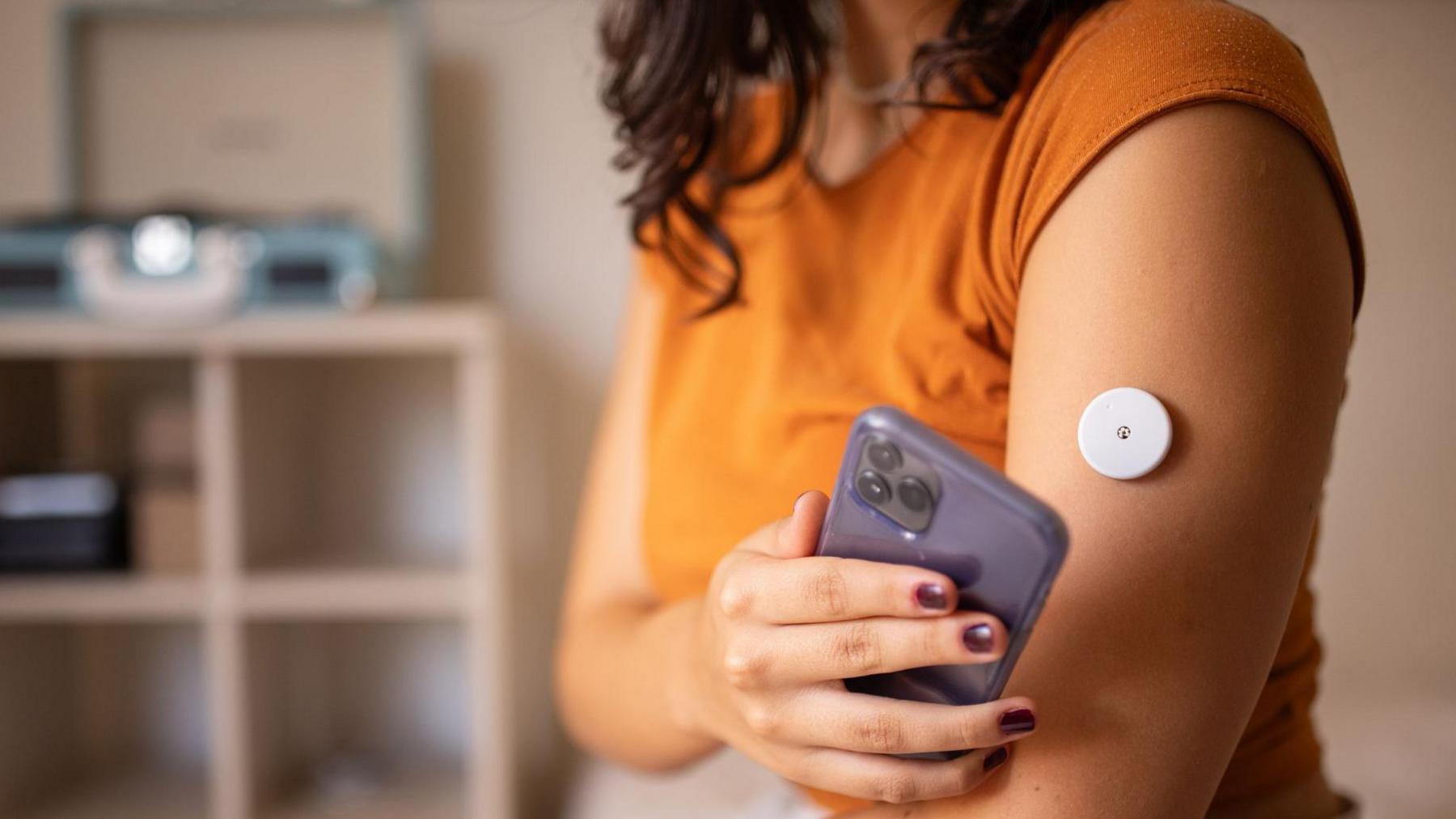

Continuous Glucose Monitoring (CGM) has burst out of the clinical context of diabetes care and into the spotlight of biohacking, wellness optimization, and personalized health. Once a tool reserved almost exclusively for people with type 1 and type 2 diabetes, CGMs are now being touted by longevity enthusiasts, performance athletes, and everyday health-conscious individuals as a window into the hidden language of their own metabolism. But is CGM truly the new biohack gold standard, or is it an overhyped trend riding a wave of tech‑club enthusiasm? In this deep dive, we’ll explore the technology, the science, the real-world applications, the limitations, and the future of CGM in biohacking parlance — all in clear, engaging, and evidence‑grounded prose that’s as informative as it is fun to read.
What Exactly Is a Continuous Glucose Monitor?
At its core, a CGM is a wearable sensing device that continuously tracks blood glucose (blood sugar) levels in real time — often every few minutes — and displays those trends through an app or smart device. Unlike traditional blood glucose monitoring, which relies on finger‑prick tests at discrete points in time, a CGM captures a dynamic, living picture of how your glucose waxes and wanes throughout your day and night.
CGM systems typically consist of three parts:
- A tiny sensor inserted under the skin (usually on the arm or abdomen) that measures glucose levels in interstitial fluid.
- A transmitter that sends readings wirelessly to a paired device.
- A smartphone app or receiver that displays glucose trends, alerts, and analytics.
This continuous feedback loop turns your metabolism into a dashboard — filled with peaks, valleys, and patterns that are otherwise invisible to you.
Importantly, CGMs were originally developed as clinical devices to help people with diabetes manage their disease more effectively. But over the past few years, the technology has evolved dramatically — in comfort, accuracy, integration, and accessibility — making it a more tempting tool for anyone who wants to understand their metabolism better.
From Clinical Necessity to Biohacking Curiosity
So how did CGMs migrate from hospitals and endocrinologist offices into the realm of personal optimization?
The answer is partly cultural and partly technological. For decades, glucose testing was limited to finger sticks — manual, intermittent, and uncomfortable. CGMs changed this by offering real‑time insights without repeated invasive procedures. This feels not just convenient but empowering.
As wearable health tech became mainstream, millions of people embraced data — from heart rate variability to sleep stages. CGMs were a natural next frontier: the ultimate metabolic feedback device. Biohackers quickly began experimenting with them to answer questions like:
- How do specific foods affect my glucose spike?
- Does a workout lower my glucose faster than meditation?
- Can blood sugar patterns predict cognitive performance or energy crashes?
- What does my blood sugar look like after midnight snacks or late‑night streaming sessions?
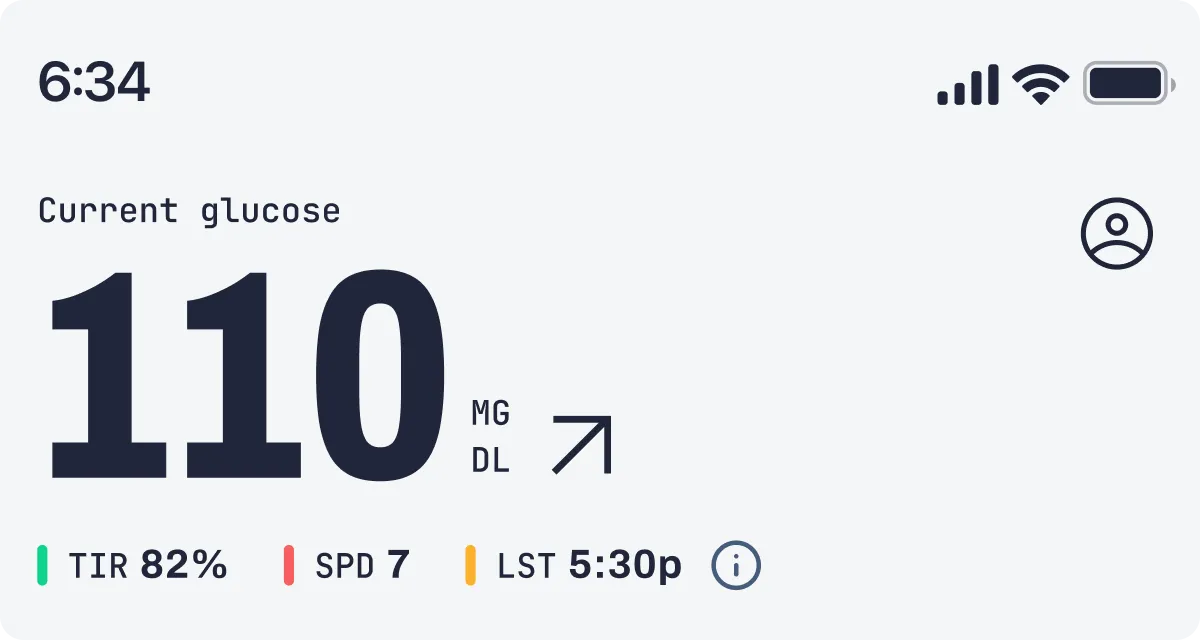
This type of self‑monitoring culture — where feedback informs behavior — lies at the heart of biohacking. And in that worldview, CGM looks like a tool that can illuminate and optimize your internal physiology in a way that was previously impossible.
The Scientific Reality: What CGM Actually Measures
CGMs don’t measure glucose directly in your bloodstream; they measure glucose in the interstitial fluid — the fluid between your cells. This is why CGM readings can sometimes lag behind real blood glucose levels by a few minutes, especially during rapid changes after meals or exercise.
Still, the trend data and directional insights are what make CGMs powerful. For people with diabetes, studies show that CGM use leads to:
- Reduced time spent in dangerous glycemic ranges, including hypoglycemia and hyperglycemia.
- Lower hemoglobin A1c values over time, indicating better long‑term glucose control.
- Improved ability to detect and correct glucose excursions before they become problems.
These aren’t just anecdotal claims — meta‑analyses of randomized clinical trials support the effectiveness of CGM to improve glycemic outcomes when used with education and feedback aimed at behavior modification.
For people without diabetes, the evidence is less definitive. There is no consensus clinical guideline on optimal glucose patterns in healthy individuals. That hasn’t stopped many wellness influencers and biohackers from proclaiming CGM as a revolutionary tool for metabolism optimization — but it does mean we should be cautious about equating CGM data with guaranteed enhancements in health outcomes.
The Biohacking Perspective: Why Enthusiasts Love CGM
Here are some of the major reasons CGMs are capturing the imagination of the biohacking community:
1. Personalized Nutrition Feedback
Everyone responds differently to foods. What spikes your blood sugar might barely move someone else’s. CGM offers individualized, real‑time feedback to help you optimize your meals.
Some biohackers find this feedback invaluable in designing meal plans that stabilize glucose, reduce energy crashes, and enhance metabolic flexibility. This is especially true for carbohydrate‑rich meals and post‑prandial responses that vary dramatically between people.
2. Metabolic Awareness Beyond Diet
CGM data reveals that glucose isn’t just a reflection of food. Stress, sleep patterns, exercise, and even environmental factors can influence glucose levels in unexpected ways. Some users report discovering glucose spikes caused by stress or poor sleep — insights that would have otherwise gone unnoticed.
3. Enhanced Athletic Performance
Athletes and fitness enthusiasts use CGM to fine‑tune pre‑ and post‑exercise nutrition. Avoiding rapid glucose swings can support endurance, recovery, and even strength outcomes, especially in sports where metabolic control matters.

4. Motivation Through Real‑Time Feedback
There’s a psychological advantage to seeing your body react to choices in real time. Many users report that CGM data encourages deeper lifestyle changes — from prioritizing sleep to moving more after meals. This feedback loop alone can create powerful behavior changes that other metrics fail to capture.
Real Limitations and Misconceptions
Despite the excitement, CGMs are not a universal solution — and in some cases, they may even create more questions than answers.
Noise vs. Signal
For healthy individuals without glucose regulation issues, glucose naturally fluctuates throughout the day. These fluctuations don’t always correlate with health risks. Without expert guidance, people can misinterpret normal patterns as problems — leading to unnecessary anxiety or restrictive habits.
Cost and Accessibility
CGMs can be expensive — often hundreds of dollars per month — especially if insurance doesn’t cover them. This makes them less accessible as a casual wellness tool for many people.
Data Overload and Interpretation Challenges
Continuous data isn’t inherently useful without context. Many people experience “data fatigue” and struggle to interpret what glucose trends actually mean for their long‑term health. In some cases, obsessive focus on minor fluctuations may lead to unhealthy behavior changes.
Clinical vs. Wellness Use
Clinicians use CGM data as part of broader care plans for people with diabetes, often integrated with insulin delivery systems, professional guidance, and lifestyle interventions. Without this clinical context, the utility of CGM data for general wellness is still an open question.
Cutting‑Edge Innovations in CGM
The technology is evolving rapidly — and not just in form factor.
Longer Wear and Implantability
Advances in sensor technology have led to longer wear durations and even implantable CGMs that can last up to a year, reducing disruption and increasing convenience for users.
AI and Predictive Analytics
Some systems are integrating artificial intelligence and predictive analytics to forecast glucose trends hours before they occur. These tools are already being used in diabetes care and are poised to trickle into wellness‑oriented platforms.
Wearables Integration
Major wearables — from smart rings to watches — are beginning to incorporate glucose tracking or integrations with CGM systems. This creates unified health dashboards that link glucose to everything from heart rate variability to sleep quality.
Non‑Invasive Technologies on the Horizon
Researchers are actively exploring non‑invasive glucose sensing techniques that don’t require subcutaneous sensors — a development that could radically democratize glucose tracking if successful.
So, Is CGM the Biohack Gold Standard?
It depends on what you mean by “gold standard.” If gold standard means a tool that offers unprecedented insight into your metabolism, trends, and personal glucose responses — then yes, CGM currently sits near the top of that list for biohackers and wellness enthusiasts. Its ability to turn abstract physiology into real‑time feedback is genuinely transformative for many people.
But if gold standard implies a universally validated tool that guarantees improved health outcomes for everyone regardless of context — then we’re not quite there yet. The science supporting broad use outside of diabetes care is still emerging, and interpretations of glucose data without clinical context can be misleading or anxiety‑provoking for some.
The future, however, looks promising. As CGM technology continues to integrate with AI analytics, wearables, and personalized health frameworks, its role in biohacking — and even preventive health — is likely to expand. Whether you wear a CGM for performance optimization, metabolic awareness, or out of simple curiosity, one thing is clear: we are only beginning to scratch the surface of what continuous glucose data can teach us about ourselves.