










In recent years, the image of people dunking themselves into icy water, clad in nothing more than determination (and maybe a wetsuit), has transcended fitness subcultures and entered mainstream discourse. But beyond the viral videos and wellness TikToks lies a deeper, more fundamental question: Can cold thermogenesis — the process of generating heat by exposing the body to cold — truly boost human longevity? Is this just another biohacking fad, or is there solid biology underpinning the promise of a longer, healthier life?
To answer that, we need to explore the science — not hype — behind cold thermogenesis, aging biology, hormesis, metabolism, and what decades of research across species tell us about cold exposure and lifespan.
1. The Cold, The Body, and The Biology of Aging
Aging isn’t just a calendar problem — it’s a complex biological process. It encompasses DNA damage, mitochondrial dysfunction, chronic inflammation, oxidative stress, metabolic dysregulation, and more. If any intervention meaningfully impacts these pathways over time, we should pay attention.
Temperature plays a fundamental role in organizing biological processes. Across species — from worms and flies to mammals — lower body temperatures are linked with slower aging and longer lifespan investigated both in natural contexts and controlled experiments. In Caenorhabditis elegans (tiny nematode worms), a modest reduction in environmental temperature can extend lifespan by a remarkable margin. Similar patterns show up in Drosophila and even in mice where a slight decrease in core temperature correlates with increased lifespan.
This isn’t magic — it’s physics meeting biochemistry. Lower temperatures slow down metabolic reaction rates and reduce thermodynamic stressors on cellular components. If you decrease the speed of damaging chemical reactions, you slow down the accumulation of molecular damage — one of the central pillars of aging.
And yet, cold doesn’t just slow things down like a pause button. It also triggers active biological responses that can recalibrate metabolism and stress defenses in ways that might translate into real health benefits.
2. Thermogenesis: Beyond Shivering — A Stress Response with Purpose
Most of us think of cold exposure as uncomfortable. But evolution didn’t leave mammals unprepared — far from it.
Brown Fat: The Metabolic Furnace
Humans possess a type of fat called brown adipose tissue (BAT) that acts like an internal furnace. Unlike white fat, which stores energy, BAT burns energy to generate heat through a process called non‑shivering thermogenesis. Cold exposure stimulates this mechanism via the sympathetic nervous system, increasing energy expenditure, improving lipid and glucose metabolism, and enhancing metabolic flexibility.
Why does this matter for aging?
Metabolic health is deeply tied to longevity. Insulin resistance, central adiposity, and metabolic syndrome all correlate with poorer long‑term health outcomes and age‑related diseases. If cold exposure helps shift metabolism toward healthier states — increasing insulin sensitivity, activating BAT, and improving energy balance — it potentially reduces risk factors for conditions that shorten healthspan and lifespan.
Hormesis: Stress That Builds Strength
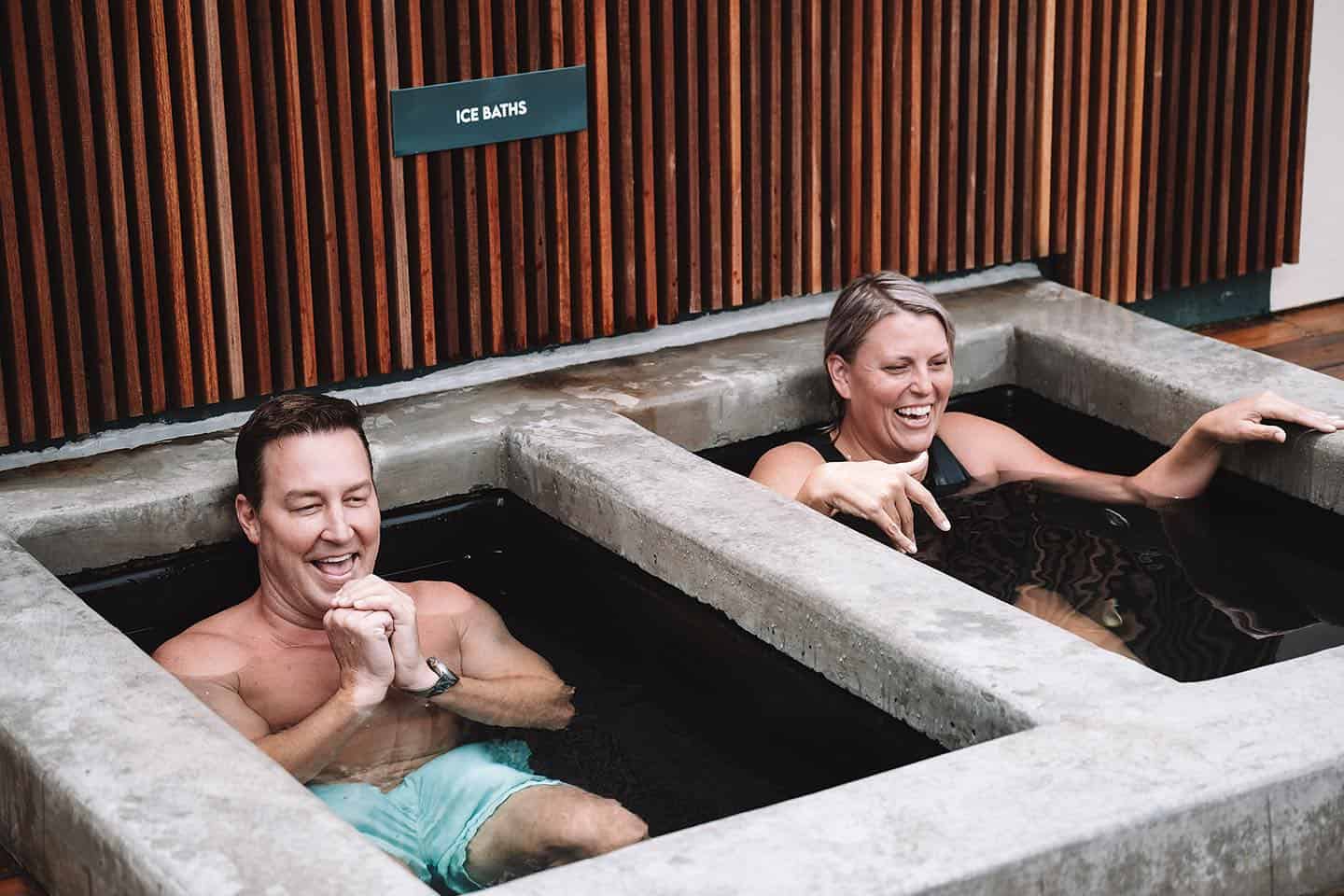
Cold thermogenesis isn’t just an energy burner — it’s a biological stressor. And that’s where the concept of hormesis comes in.
Hormesis refers to the biological phenomenon where exposure to mild stress triggers cellular defense mechanisms that improve resilience — a concept akin to “building biological muscle.” Exercise, intermittent fasting, heat stress, and cold exposure are all hormetic stressors. At controlled doses, they push the body to adapt in beneficial ways — enhancing antioxidant responses, improving repair pathways, and revving up metabolic engines.
In this light, cold thermogenesis isn’t merely about heat production — it’s a stimulus for stress response pathways that reinforce resilience and cellular robustness.
3. What the Evidence Really Says
So, what does the evidence show when we zoom out from theory to actual data?
Model Organisms Offer Compelling Clues
In worms and flies, lowering temperature increases lifespan significantly. In mice, reducing core body temperature by even a fraction of a degree can increase average lifespan modestly — hints that temperature modulation influences fundamental aging pathways.
These findings are consistent enough across taxa to suggest that temperature and aging aren’t coincidental bedfellows. Mechanisms include slowed metabolic reaction rates, enhanced proteostasis (maintaining protein integrity), reduced oxidative damage, and regulated nutrient‑sensing pathways — all key themes in longevity research.
Human Biology Is More Complex
Here’s where the story gets more cautious. Unlike controlled experiments on small organisms or lab mice, long‑term, large‑scale human studies are scarce. No comprehensive clinical trial demonstrates that cold exposure directly extends human lifespan.
In practice, we have proxy signals — short‑term studies showing improved metabolic markers, reduced inflammation, activation of brown fat, and enhanced stress resilience. These proxies suggest improved healthspan — the period of life spent in good health — but not definitive evidence of longer lifespan.
In other words, the mechanisms look promising, but the ultimate outcome — living longer — isn’t yet proven in humans.
4. Benefits You Can Reasonably Expect Today
While longevity itself remains an open question, cold thermogenesis appears to confer several measurable health benefits:
Reduced Chronic Inflammation
Cold exposure — through ice baths or controlled thermogenic protocols — has been shown to partly dampen pro‑inflammatory signaling. Chronic inflammation drives many age‑associated diseases, including cardiovascular disease, diabetes, and neurodegeneration. Reducing low‑grade inflammation could therefore shift an individual’s health trajectory.
Enhanced Metabolic Health
Cold triggers BAT and increases systemic energy utilization. Repeated exposure enhances glucose handling, improves lipid profiles, and may reduce risk factors for metabolic syndrome. In people with type 2 diabetes or insulin resistance, intermittent cold exposure shows promise for metabolic modulation.

Potential Anti‑Oxidative Effects
Controlled cold can improve antioxidant capacity and reduce oxidative stress, at least transiently, by stabilizing mitochondrial function and modulating redox pathways — a key factor in aging biology.
Stress Resilience and Immune Modulation
Some studies suggest cold can stimulate aspects of immune function and improve cellular stress responses — both valuable in maintaining long‑term health.
5. Where the Science Gets Confusing — and Why That Matters
Despite these promising mechanistic benefits, two big caveats stand out:
1. Dose and Risk Window
Not all cold exposure is equal. There’s a difference between short, controlled exposure (like a 2‑minute ice plunge) and prolonged environmental cold that can stress cardiovascular systems — especially in older adults. Chronic, unregulated cold exposure is associated with increased mortality in vulnerable populations.
2. Hype vs. Evidence Gaps
Well‑meaning wellness influencers often extrapolate acute effects into claims about lifespan extension — but causation isn’t proven. Reviews of the evidence show there are interesting mechanisms and hypotheses, yet no definitive human longevity data from controlled long‑term trials.
In other words: cold exposure’s potential longevity boost is plausible based on biology, but still unproven at the level of hard human mortality statistics.
6. Practical Takeaways: How to Approach Cold Thermogenesis
So if you’re interested in using cold exposure as a longevity hack, here’s a grounded, scientific strategy:
1. Start Mild
Begin with milder cold exposure — cool showers or short ice baths rather than prolonged freezing conditions. This helps activate beneficial pathways without imposing excessive cardiovascular stress.
2. Combine with Other Healthy Practices
Thermogenesis works best as part of a holistic lifestyle: balanced diet, regular exercise, good sleep, and stress management. Cold isn’t a silver bullet.
3. Listen to Your Body
Older adults and individuals with underlying heart conditions should approach cold exposure cautiously and consult healthcare providers.
4. Treat It as Healthspan Support
View cold thermogenesis as a tool for metabolic and inflammatory modulation — not yet a confirmed longevity booster in humans.
7. The Bottom Line: Cold Thermogenesis Is Promising — With Limits
In summary, cold thermogenesis sits at an exciting intersection of biology, stress physiology, and aging research. It activates metabolic pathways, modulates inflammation, and may contribute to resilience — all attributes associated with healthier aging.
Yet, while animal models provide compelling evidence that low temperature can influence lifespan, direct proof in humans is not yet established. The mechanisms are promising; the biological logic is sound; but the human lifespan data hasn’t caught up to the hype.
Cold thermogenesis might support longevity indirectly by improving healthspan factors — metabolism, inflammation, cellular resilience — but claiming it directly boosts lifespan remains premature.
With continued research and human trials, we may one day answer definitively whether regular cold exposure alters the human aging clock. Until then, consider it a scientifically interesting, potentially beneficial, but not miraculous, addition to a health‑minded lifestyle.