








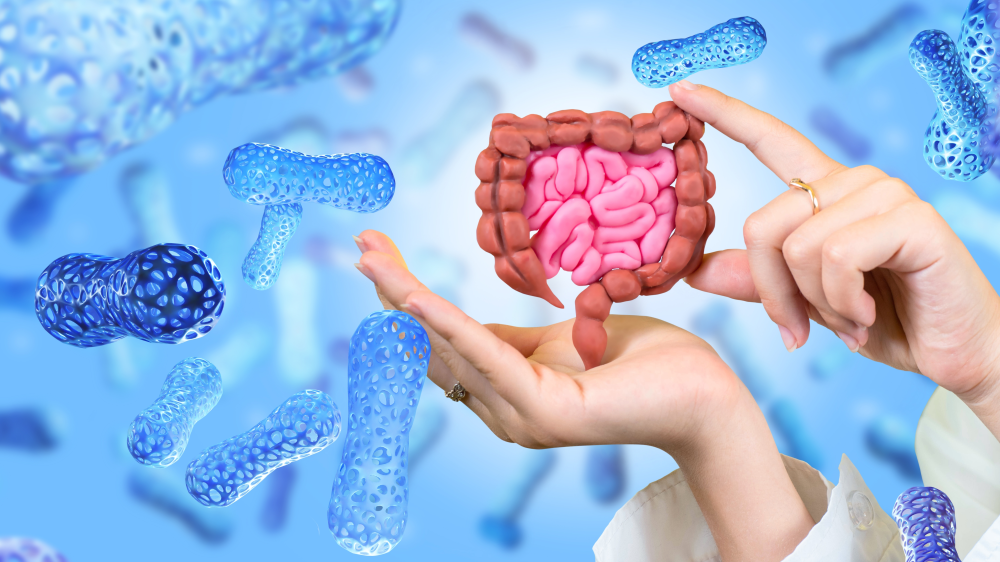

The idea of “hacking your microbiome” sparks images of futuristic self‑experiments with fancy gadgets, DIY gene editing kits in your garage, or ingesting mysterious ‘probiotic elixirs’ to unlock secret health benefits. But what does it really mean to hack your microbiome—and more importantly, can you do it safely?
This long‑form article explores the evolving science behind microbiome manipulation, clear strategies that are evidence‑based, risks to avoid, and ethical questions around self‑experimentation. We’ll keep the tone engaging, professional, and designed to satisfy both deep thinkers and curious beginners.
Let’s dive in.
Introduction: What Is Your Microbiome?
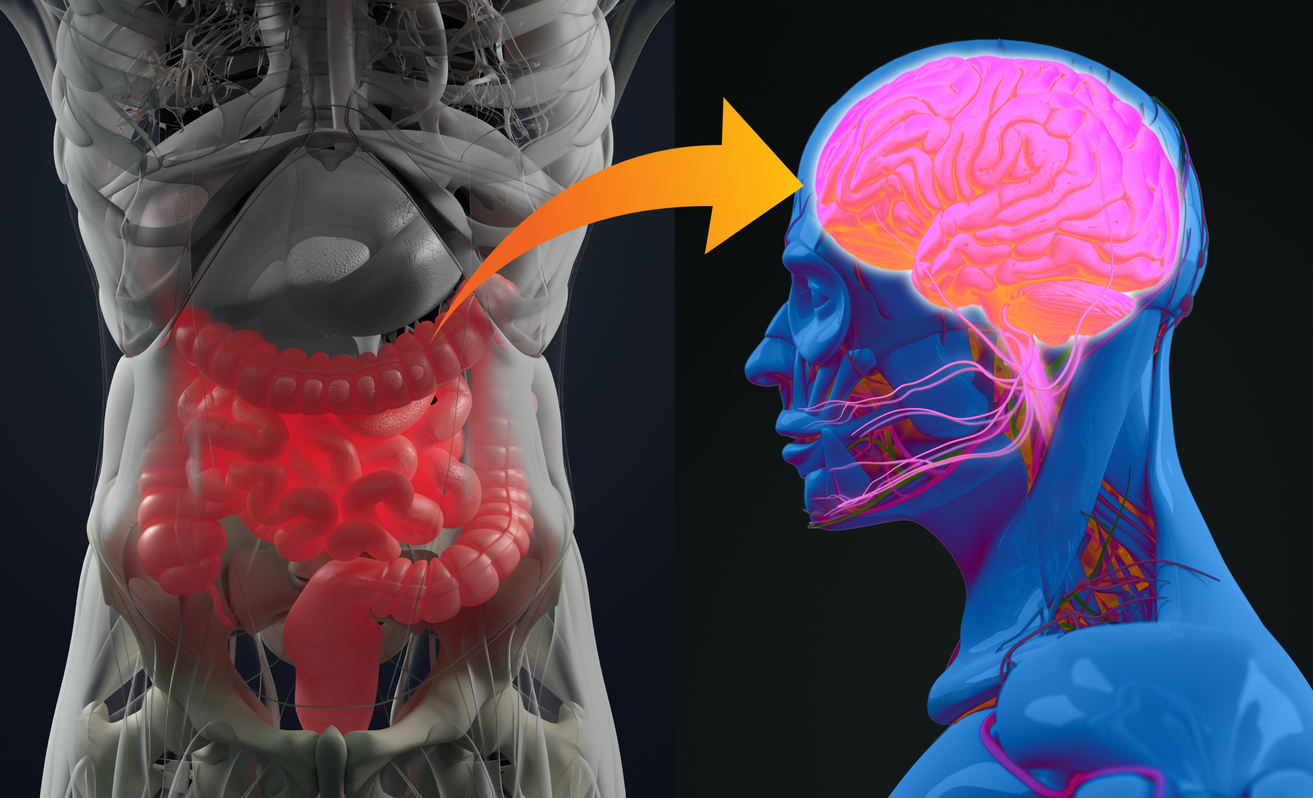
Your microbiome refers to all the tiny living organisms—bacteria, fungi, archaea, and viruses—that live in and on your body, along with their genes and interactions. They make up complex ecosystems, especially in your gut, but also on your skin, mouth, lungs, and more. These microbes aren’t just along for the ride—they influence digestion, immunity, metabolism, and even brain chemistry through the gut–brain axis.
When discussions talk about “hacking” your microbiome, they mean intervening in ways—dietary, lifestyle, or therapeutic—to shift these microbial ecosystems toward states associated with better health. But is this possible without risk? Let’s unpack what the evidence says.
Part I: The Microbiome in Context
A Complex Ecosystem, Not a Single Target
A healthy microbiome is not a single “good bacteria” that you can boost at will. It’s a vast network of thousands of species in dynamic balance, unique to each person. Efforts to alter it must consider this complexity.
The Human Microbiome Project (HMP) and related initiatives have mapped these communities and shown how diverse they can be, and how they interact with human physiology at a profound level—but also how individual variation makes personalization essential.
Understanding this is vital: a manipulation that benefits one person might not help another—or could even cause harm.
Dysbiosis: When Balance Goes Awry
When microbial communities fall out of balance—a state known as dysbiosis—a range of health issues can arise. Dysbiosis has been implicated in inflammatory bowel disease, metabolic disorders, and immune dysregulation.
Yet correlation is not causation, and researchers caution against oversimplified interpretations: just because two conditions co‑exist doesn’t mean the microbiome caused them. Advanced multi‑omics and statistical models are increasingly necessary for credible insights.

Part II: Safe, Evidence‑Backed Ways to Support Your Microbiome
Many strategies touted as “microbiome hacks” are simply healthy lifestyle interventions. These are low‑risk and grounded in solid evidence.
1. Diet: Feed Your Microbes the Right Stuff
Nutrition is the most powerful lever you have.
- Fiber‑rich foods (vegetables, legumes, whole grains) feed beneficial gut microbes, producing short‑chain fatty acids like butyrate that nourish your colon.
- Fermented foods such as yogurt, kefir, kimchi, and sauerkraut can deliver certain live microbes and diversify microbial interactions.
- Ultra‑processed foods, high sugar, and artificial additives are correlated with negative changes in microbial composition and metabolic outcomes.
The key here isn’t novelty—it’s diversity. Eating a wide variety of whole, plant‑forward foods feeds a wider range of microbial species.
2. Exercise and Movement
Physical activity doesn’t just tone muscles—it’s linked to higher microbial diversity and beneficial functions. Studies show that regular exercise can support gut microbial health independently of diet.
So get moving—not because it’s trendy, but because it tangibly alters your internal ecosystem.
3. Sleep and Stress
Chronic stress and inadequate sleep are well‑established disruptors of microbiome balance. Good sleep hygiene and stress‑reducing practices (like mindfulness or moderate exercise) support a stable microbial environment.
4. Avoid Overuse of Antibiotics and Harsh Habits
While antibiotics can be lifesaving, overuse disrupts microbial ecosystems. Whenever possible, use them only under medical supervision. Likewise, excessive sanitization (e.g., overly harsh soaps) can strip beneficial microbes from your skin and gut habitats.
Part III: Supplements, Tests, and DIY Techniques—Proceed With Caution
Microbiome Testing Kits
At‑home microbiome test kits promise insights into your gut bacteria and personalized recommendations. While they’re popular, experts warn they lack standardization and often have questionable medical value.
They might be interesting to explore, but you shouldn’t base major lifestyle or medical decisions on them alone.
Probiotics and Prebiotics
Not all probiotics and prebiotic supplements are created equal.
- Some probiotic strains are clinically validated for specific conditions.
- Most supplements, however, lack strong evidence of efficacy.
- Prebiotics (foods that feed microbes) are generally safer and more beneficial than isolated probiotics.
The bottom line: whole foods > supplements.
Extreme DIY Microbiome Hacks
Some fringe biohacking approaches—like fecal microbiota transplants (FMT) outside clinical settings—pose serious risks and should never be attempted without medical oversight. Novel approaches that involve genetic manipulation or unregulated interventions fall squarely into high‑risk territory.
The DIY biology movement is fascinating from a scientific innovation standpoint, but when it comes to tinkering with your internal ecosystems, professional guidance is critical.
Part IV: What’s on the Horizon?
The microbiome research field is exploding. Scientists are using multi‑omics, machine learning, and mechanistic studies to unravel deeper relationships between microbial communities and human health.
Future therapies may involve tailored interventions based on your genetic and microbial profile—but we’re not quite there yet.
Part V: Ethical and Practical Considerations
“Biohacking” conjures images of individual empowerment, but when it comes to health, empowerment must be tempered with responsibility.
Ethical concerns include:
- Misleading commercial claims
- Unregulated DIY interventions
- Over‑marketing of unproven products
Doing something because it’s trendy isn’t the same as doing it because it’s backed by science. When in doubt, consult qualified healthcare professionals.
Conclusion: You Can Support Your Microbiome Safely
Hacking your microbiome doesn’t require techno‑gadgets or risky self‑experiments. It requires respect for the complexity of microbial ecosystems and an emphasis on evidence‑based strategies.
Here’s what works—and is safe:
- Diverse whole foods and fiber
- Regular movement and sleep hygiene
- Stress management
- Cautious use of supplements under professional guidance
And here’s what to avoid:
- Unproven DIY biological manipulation
- Overreliance on commercial tests
- Misinterpreting correlations for causation
Your microbiome is part of you—treat it with the same care you give your heart or brain. A healthier microbiome often reflects a healthier life.