






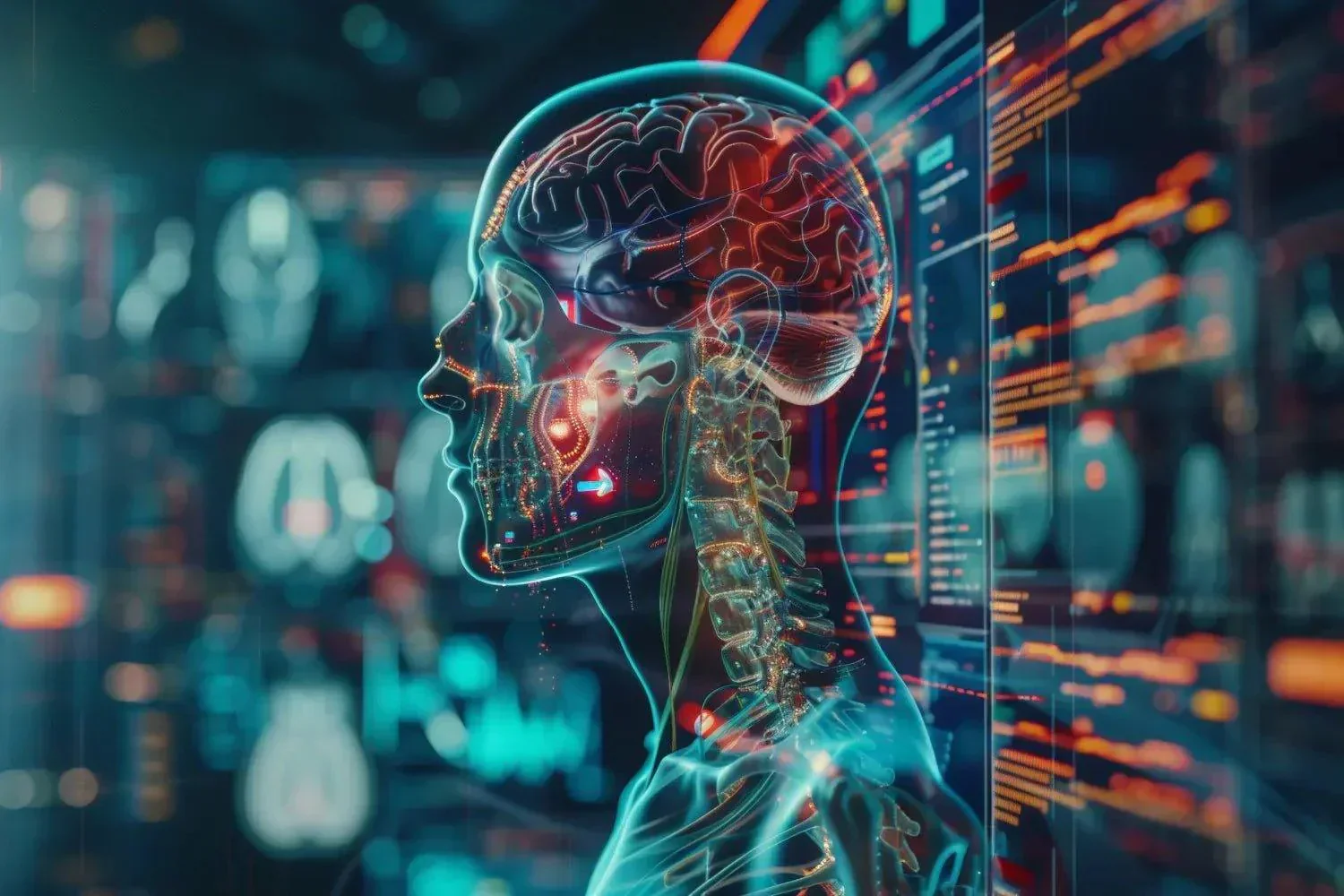

The collision of biohacking and artificial intelligence (AI) isn’t a distant sci-fi dream—it’s rapidly becoming real, reshaping how we understand health, longevity, human potential, and even ethical boundaries. When these two forces converge, the result is a seismic shift in the way we augment life, analyze biology, and redefine what it means to be human.
This deep dive explores what happens when biohacks meet AI: the opportunities, risks, technologies driving the fusion, and the cultural, ethical, and scientific implications that come with it.
1. The Rise of a New Technoscape: Biohacking Meets AI
Biohacking started as a grassroots movement—DIY biology enthusiasts experimenting with nutrition, supplements, sleep, genetics, implants, and personalized routines aiming to optimize human performance. But today, that landscape is rapidly evolving thanks to AI’s power to analyze massive datasets, model complex systems, and design biological interventions.
Traditionally, biohacking ranged from nootropics and sleep optimization to quantified self tracking and implantable devices. Today, AI accelerates these efforts by enabling:
- Personalized physiology insights through AI-driven pattern recognition in health data.
- Predictive modeling of metabolic responses, immune profiles, and genomic variations.
- Automated design and simulation of biological systems and interventions.
In practical terms, this means AI can turn everyday health data into personalized strategies, turning biohacking from a hobby into a data-driven optimization system.
2. AI as the Engine of Precision Biohacking
The original promise of biohacking was self-improvement. With AI, that promise becomes precision.
Personalized Biomarker Interpretation
AI algorithms are uniquely positioned to analyze hundreds to thousands of biomarkers simultaneously, identifying patterns that no human could parse manually. This level of insight allows for:
- Tailored dietary and supplement regimens.
- Real-time predictions of how stress, sleep, or environment affect physiology.
- Adaptive biofeedback loops that refine recommendations based on ongoing data.
Users could eventually feed continuous glucose monitors, hormone data, gut microbiome profiles, and sleep patterns into an AI system that crafts optimized daily routines automatically.
A real-world example: AI-powered longevity centers are already using deep data analysis to create bespoke fitness and recovery programs, promising users ten times the results in a fraction of the time of traditional regimes.
AI-Driven Nanomedicine and Genetic Edits
AI’s impact isn’t limited to lifestyle enhancements; it’s revolutionizing molecular biohacking too. Advanced models can predict protein folding, optimize genetic constructs, and suggest novel molecular therapies—tasks that once took years of lab work can now be done in weeks or months thanks to computational power.
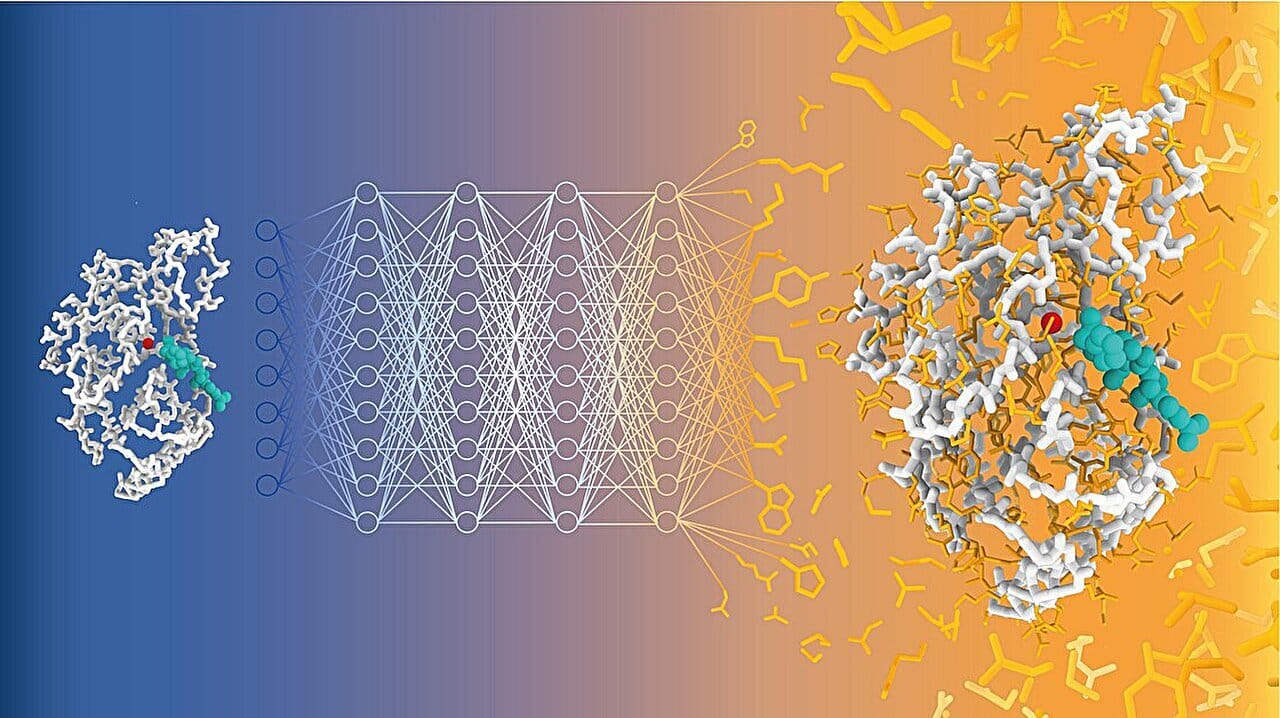
This opens a realm where individual genetic editing, bespoke therapeutics, and tailored immune modulations might someday be part of the biohacker’s toolkit—if society, law, and ethics allow it.
3. Synthetic Biology, Xenobots, and AI-Driven Life Forms
One of the most fascinating intersections of AI and biology lies in synthetic biology—creating or reconfiguring biological systems that don’t exist in nature.
Innovations like Xenobots—tiny biological machines built from frog cells and designed with computer assistance—illustrate how computational design and biology can merge. These are not mechanical robots, nor traditional organisms—they are programmable living systems.
Now imagine AI that doesn’t just analyze life but helps create it:
- Programmable tissues for environmental cleanup.
- Biological circuits that operate as living computing systems.
- Synthetic cells tailored for individualized medicine.
This is where biohacking evolves into bioengineering at the cellular level, and AI becomes both the brain and the design engine.
4. The Innovation Promise: Speed, Scale, and Accessibility
AI accelerates biological discovery in previously unthinkable ways:
- Computational models can simulate drug responses, protein interactions, and cellular behaviors far faster than lab experiments.
- Large language models trained on biological data can interact with biological knowledge bases to suggest therapies or biological pathways.
- Automated lab workflows steered by AI can iterate biological designs (like genetic circuits) in cycles far faster than traditional research.
This democratization of biological knowledge and capability is a double-edged sword: it can break open innovation for global health, but also lower barriers to potentially dangerous experimentation.
5. Risks at the Frontier: Biosecurity and Dual-Use Dilemmas
When AI enables non-experts to perform complex biological design, risks multiply. Powerful tools could be used to:

- Generate novel pathogens or toxins.
- Bypass traditional expertise barriers.
- Create biological configurations with unknown ecological impacts.
Studies show that AI can be repurposed to generate harmful molecules from harmless data sets, and even determine plausible methods for weaponizing pathogens.
Moreover, once synthetic biology tools become widely accessible, governance becomes harder. Unlike high-security labs, cloud-based AI biology tools might be used from any laptop, making monitoring and regulation extraordinarily challenging.
These risks spur governments and scientists to demand stronger biosecurity regulations and global safeguards to ensure responsible use while preserving innovation.
6. Ethics, Equity, and the New Human Condition
Biohacking powered by AI doesn’t just raise scientific questions—it redefines ethical terrain.
Inequity and Accessibility
High-end AI biohacking services are currently expensive. This raises concerns that only wealthy individuals will benefit from powerful optimization tools and personalized therapies, deepening health and longevity divides.
Data Ownership and Privacy
AI thrives on data—but personal biological and genetic data are intensely sensitive. Ensuring who owns that data and how it is used is a central ethical question for AI-powered biohacking platforms.
Human Enhancement vs. Natural Humanity
Where is the line between therapeutic interventions and elective enhancement? When AI suggests genetic optimizations to prevent aging or increase cognitive performance, society must grapple with what it means to be human in a world where biology is programmable.
7. Real-World Biohacking Innovations Fueled by AI
The consumer health and longevity space is already experimenting with AI-powered biohacking approaches:
- Personalized AI fitness coaching and recovery regimens generating rapid gains with less effort.
- Systems that correlate detailed personal health inputs with lifestyle changes to reveal systemic patterns in individual health and metabolism.
- AI predictions for blood chemistry, hormone balance, and microbiome states that inform next-generation supplementation and lifestyle strategies.
These early innovations illustrate a future where AI uniquely blends with biohacking, from the gym to the gene.
8. Toward a Responsible Future: Governance, Safety, and Collaboration
To harness the powerful synergy of biohacking and AI responsibly, society needs:
- Robust biosecurity frameworks that mitigate dual-use risks without stifling innovation.
- Global cooperation on AI in biology ethics, data governance, and equitable access.
- Human-centered oversight to ensure AI augments human capacity without diminishing autonomy.
As AI becomes more embedded in biological systems—whether via predictive modeling, automated design, or personalized interventions—we cannot treat biology as mere code. The complexity of living systems demands cautious stewardship combined with visionary leadership.
9. Conclusions: A New Era of Human Optimization and Biological Discovery
When biohacks meet artificial intelligence, the result is nothing short of transformative:
- People may soon tailor their biology with unprecedented precision.
- AI could unlock therapies and interventions previously unimaginable.
- New ethical, security, and societal questions will define our century.
This convergence challenges our understanding of health, autonomy, and life itself. The fusion of AI and biohacking holds immense promise—but only if balanced with responsible governance, ethical clarity, and equitable access.