








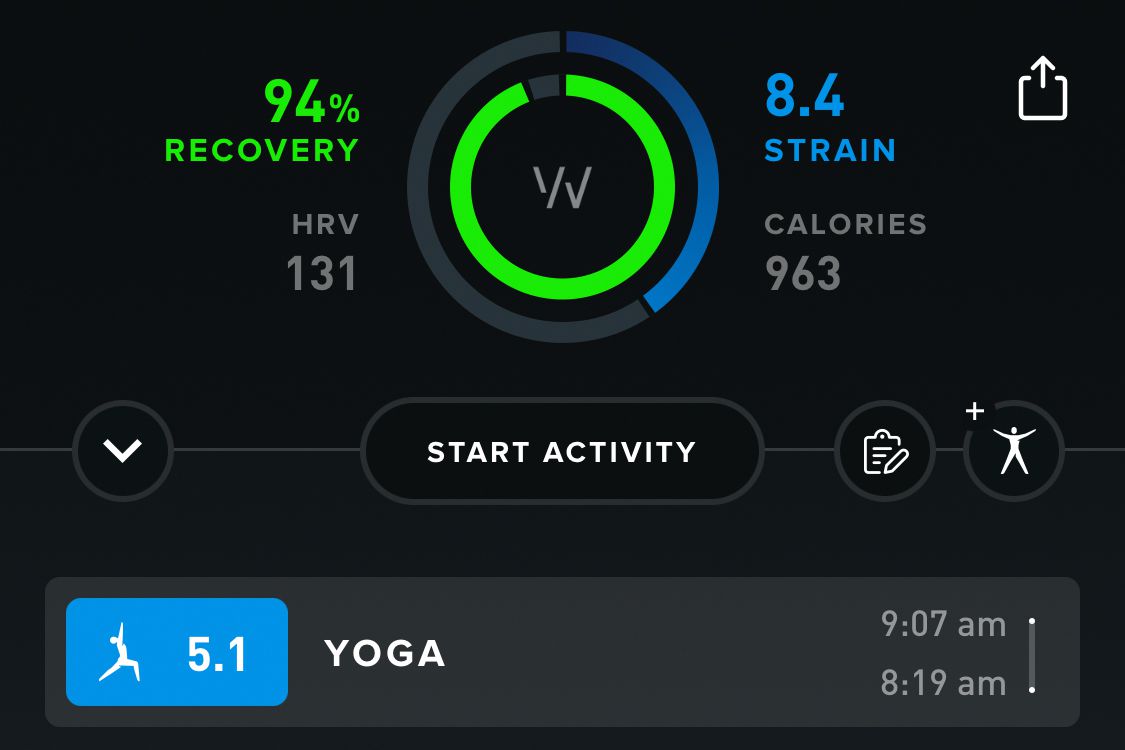

Wearables have exploded from pedometers on belts to tiny biometric labs strapped to wrists. In the crowded landscape of health and performance gadgets, Whoop 4.0 has become one of the most talked-about devices — especially for one reason: its recovery metrics. Enthusiasts, athletes, and everyday users alike are asking the same question: Does Whoop 4.0 actually improve recovery metrics, or is it just another shiny number generator? This article digs deeply into what Whoop claims, what science shows, real-world performance, and how you can use the data meaningfully.
The Evolution of Recovery Tracking
Before diving into Whoop 4.0, we need to understand what recovery tracking even means. In the scientific and sporting world, recovery isn’t just sleep. It’s a complex interplay of autonomic nervous system balance, stress adaptation, sleep quality, hormonal function, and cardiovascular rest. Wearables attempt to estimate this from proxies such as:
- Heart Rate Variability (HRV) — the variation in time between heartbeats
- Resting Heart Rate (RHR) — baseline cardiovascular effort
- Sleep duration and quality
- Respiration rate
These markers are physiologically grounded: higher HRV generally implies better readiness; lower RHR is associated with efficient cardiovascular recovery. However, layering all of this into actionable advice isn’t trivial. It requires both accurate sensing and smart algorithms.
Whoop 4.0’s differentiation from many fitness bands is that it focuses entirely on strain and recovery, not step counts or movement goals. This is both refreshing and controversial — a deep dive into readiness rather than steps.
What Whoop 4.0 Measures — And How
At its core, Whoop 4.0 calculates a daily Recovery Score — a percentage from 0 to 100 that predicts how primed your body is for strain (exercise or stress) on a given day. According to Whoop’s own documentation, the score is based on:
- HRV
- Resting Heart Rate
- Sleep performance (quantity vs. need)
- Respiratory rate
In more advanced developer documentation, Whoop adds that for 4.0 users, extra inputs like SpO₂ and skin temperature may also factor into the recovery model.
The idea is that these measures together paint a picture of your autonomic recovery state — whether your nervous system is calm and balanced, or stressed and taxed. While the inputs are rooted in physiological science, the algorithmic weighting of these signals is where recovery scores are born.
The Science Behind Recovery Scores: What Matters Most
HRV: Heart Rate Variability
HRV is one of the most important predictors of recovery in wearables. Higher HRV is widely associated with:
- Better cardiovascular fitness
- Enhanced parasympathetic (rest-and-digest) dominance
- Faster adaptation to exercise stress

Numerous academic studies support HRV’s role in recovery assessment — and Whoop leans heavily on this metric. However, HRV isn’t flawless. It fluctuates with stress, hydration, caffeine, time of day, and even measurement conditions. That means a single HRV reading doesn’t prove recovery — context matters.
Resting Heart Rate
Lower RHR is generally a sign of an efficient heart and a rested body. Whoop uses this as a supporting metric in its recovery algorithm. Morning spikes above baseline can indicate stress, illness, or poor sleep — pulling your recovery score down accordingly.
Sleep … and Something More
Sleep is a cornerstone of recovery, but it’s only part of the story. Whoop’s own guidance suggests sleep performance — not just duration — plays into recovery. This includes efficiency: how much of your time in bed is actual sleep. An eight-hour night that’s fragmented may result in a worse recovery score than a shorter but deeper one.
Interestingly, behavior patterns such as alcohol intake, stress, and lifestyle habits significantly impact these biometric signals — and thus the recovery score. A real-world case study showed even modest alcohol consumption can drop recovery metrics significantly, a reflection of physiological stress rather than an algorithm glitch.
What the Reviews Say: Improved Insight… With Caveats
Independent reviews of the Whoop 4.0 paint a nuanced picture.
Positive observations include:
- A multi-dimensional approach to recovery, not just sleep.
- Useful guidance for balancing training and rest.
- Comfort and continuous tracking that encourages daily use.
- Actionable feedback that correlates with subjective feelings of readiness.
However, some critics raise important points:
- Some users report recovery scores that don’t match how they feel physically or mentally.
- Certain data points, such as sleep detection and HRV, can vary, thus impacting recovery accuracy.
- Compared to clinical tools or competitor devices, Whoop sometimes over- or underestimates specific metrics.
This isn’t surprising — wearable tech still struggles with absolute accuracy. What Whoop excels at is relative tracking: long-term trends and patterns within the same user, rather than one perfect measurement.
Real-World Outcomes: Anecdotes With Lessons
Professional athletes, weekend warriors, and everyday users alike have shared stories of how Whoop changed their training decisions:
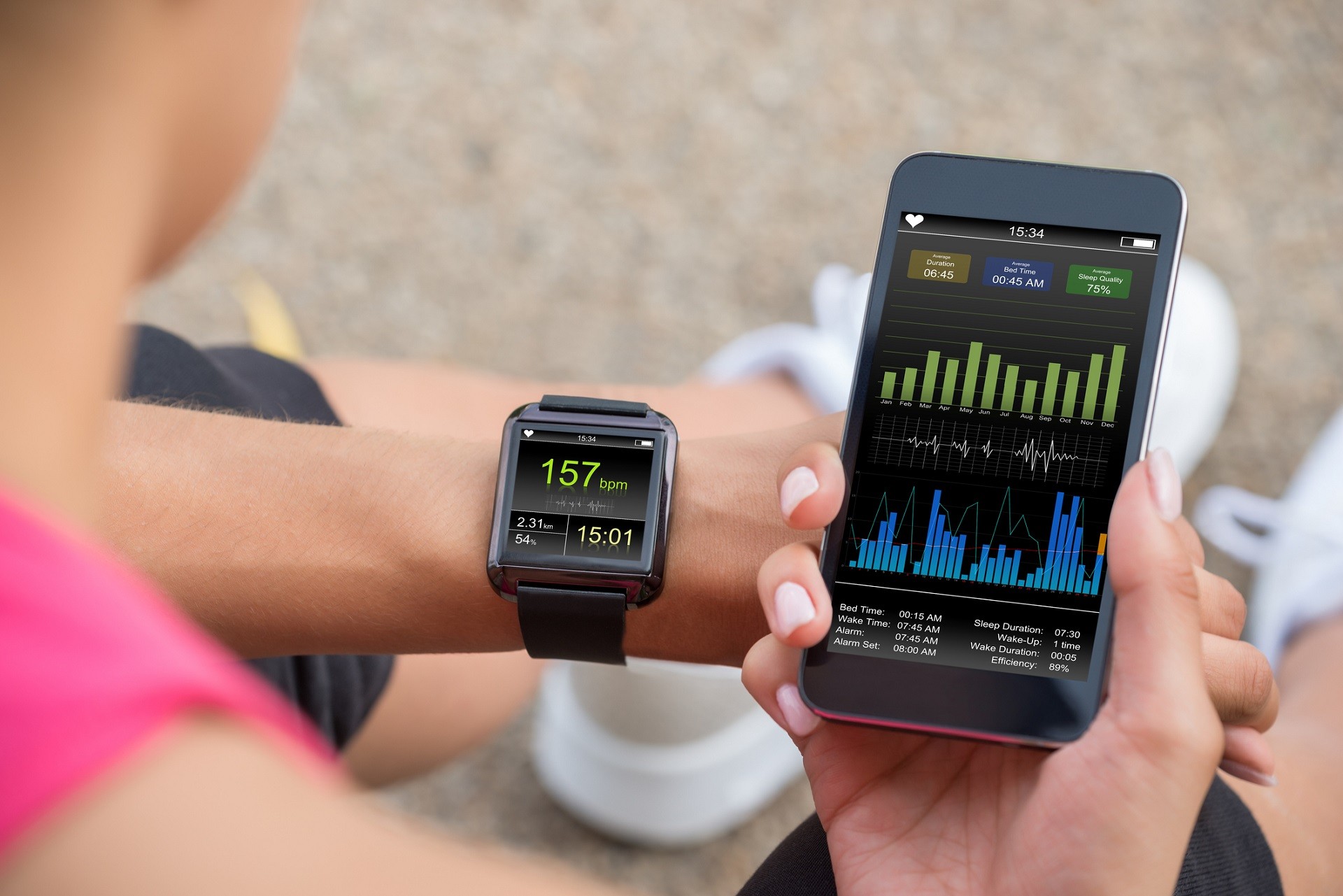
One performance athlete discovered chronic under-recovery that was invisible without data. Once his recovery score stayed low consistently, he altered training frequency, implemented deload weeks, and improved sleep environments — resulting in better HRV, higher recovery scores, and performance gains.
Another user used Whoop recovery data to tweak nutrition and fasting windows, leading to improvements in afternoon energy levels.
Yet not all experiences are glowing. A subset of long-term users report days where the recovery score appears disconnected from their perceived fatigue — underscoring that data is guidance, not gospel. Anecdotal threads also surface about calibration issues or sensor inconsistencies, which can skew recovery metrics if not addressed.
The Algorithm Debate: Black Box or Evidence Based?
One critique often heard in tech communities is that Whoop’s recovery algorithm is a “black box.” The device collects data, then transforms it into a score — but the exact weighting is proprietary. This means:
- Users don’t know what exact signals produced a specific score.
- Some recoveries may feel “wrong” to the wearer.
- Algorithm updates may change scoring without clear explanation.
This black-box nature isn’t unique to Whoop, but it’s a constant challenge in wearable health tech: balancing proprietary analytics with user understanding and scientific transparency.
Does Whoop Improve Recovery Metrics?
Now we get to the core question: Does Whoop 4.0 actually improve recovery metrics?
The answer isn’t binary. The device itself doesn’t magically enhance your physiology. Recovery happens in your body through sleep, stress management, nutrition, rest, and training balance. What Whoop can do is:
- Measure surrogate signals that reflect recovery state.
- Highlight patterns your body may be telling you subconsciously.
- Suggest actionable behaviors to improve recovery outcomes.
- Help align training loads with readiness to prevent overtraining.
In that sense, Whoop improves recovery metrics in the practical sense: by making recovery visible, motivating changes, and guiding smarter decisions based on data. For many users, this translates into deeper sleep, better HRV trends, fewer injuries, and performance gains over time.
However, it’s equally important to maintain skepticism. Recovery scores are estimates. They are useful guides, not definitive diagnoses. Factors like mood, psychological stress, and external life events can influence both how you feel and how your body recovers — sometimes outside biometric detection.
Practical Tips for Using Whoop Recovery Metrics
If you use Whoop to optimize your recovery:
- Look at trends, not daily fluctuations. One low score doesn’t define your readiness.
- Understand context. Travel, alcohol, stress, and illness impact signals.
- Pair data with subjective awareness. Data + intuition is powerful.
- Use recovery scores to guide training decisions. Lean on scores on heavy training blocks; rest more when scores are low.
Recovery is not a static state — it’s dynamic, rhythmical, and deeply personal.
The Bottom Line
Whoop 4.0 doesn’t magically improve your physiology — but it can improve your recovery process. By turning invisible signals into objective data streams, the device helps users make more informed, evidence-based decisions. For disciplined users willing to engage with the data, that often yields real improvements in recovery, training balance, and overall performance.
At the same time, recovery scores should be treated as guides rather than gospel. Wearables are advancing fast, but even the best devices today still infer physiological states rather than measure them directly.
If you’re committed to optimizing your performance, Whoop 4.0’s recovery tracking can be a powerful ally — provided you use it intelligently, not unquestioningly.